Elementary
First through sixth grade students
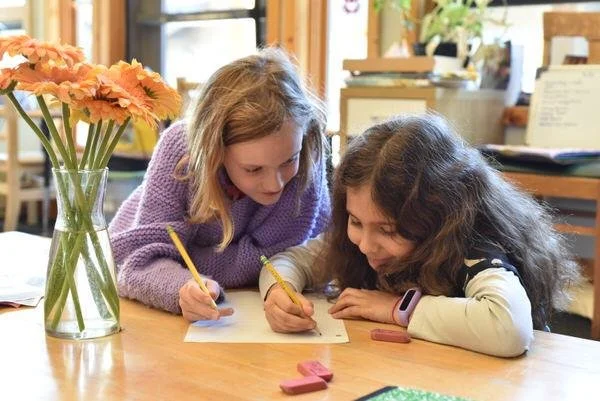
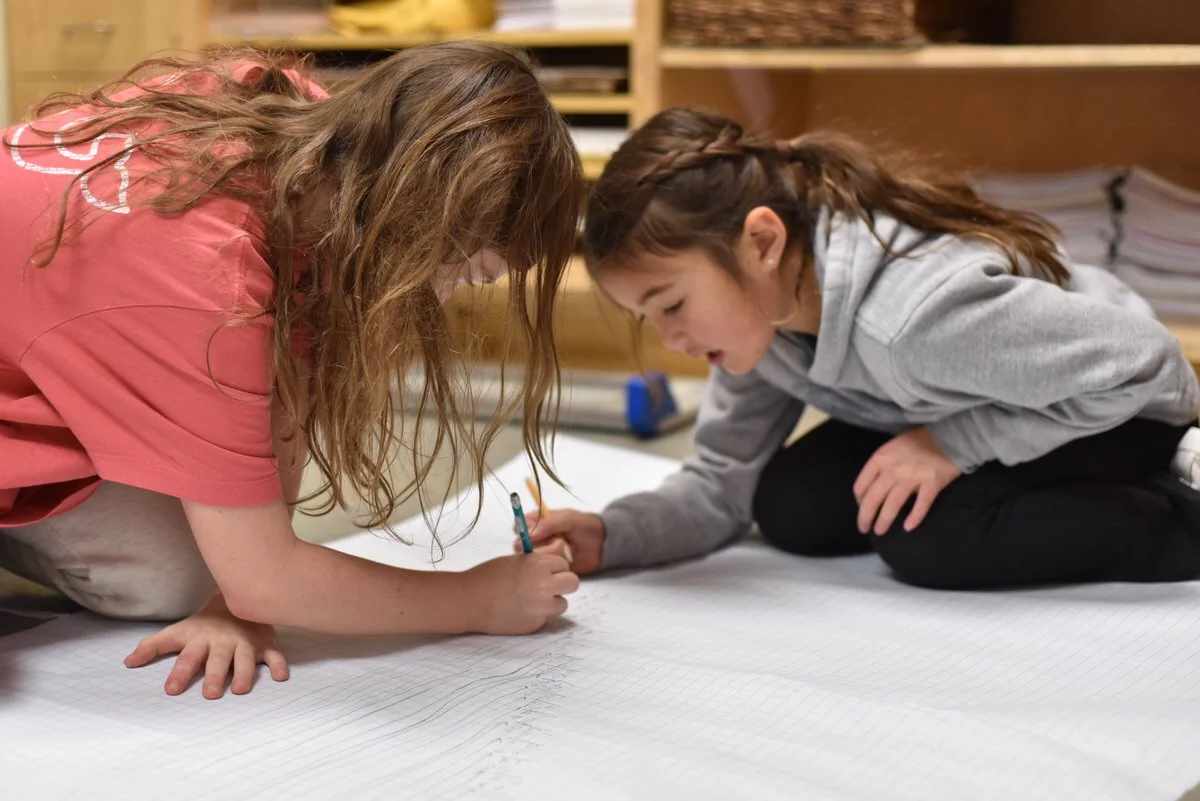
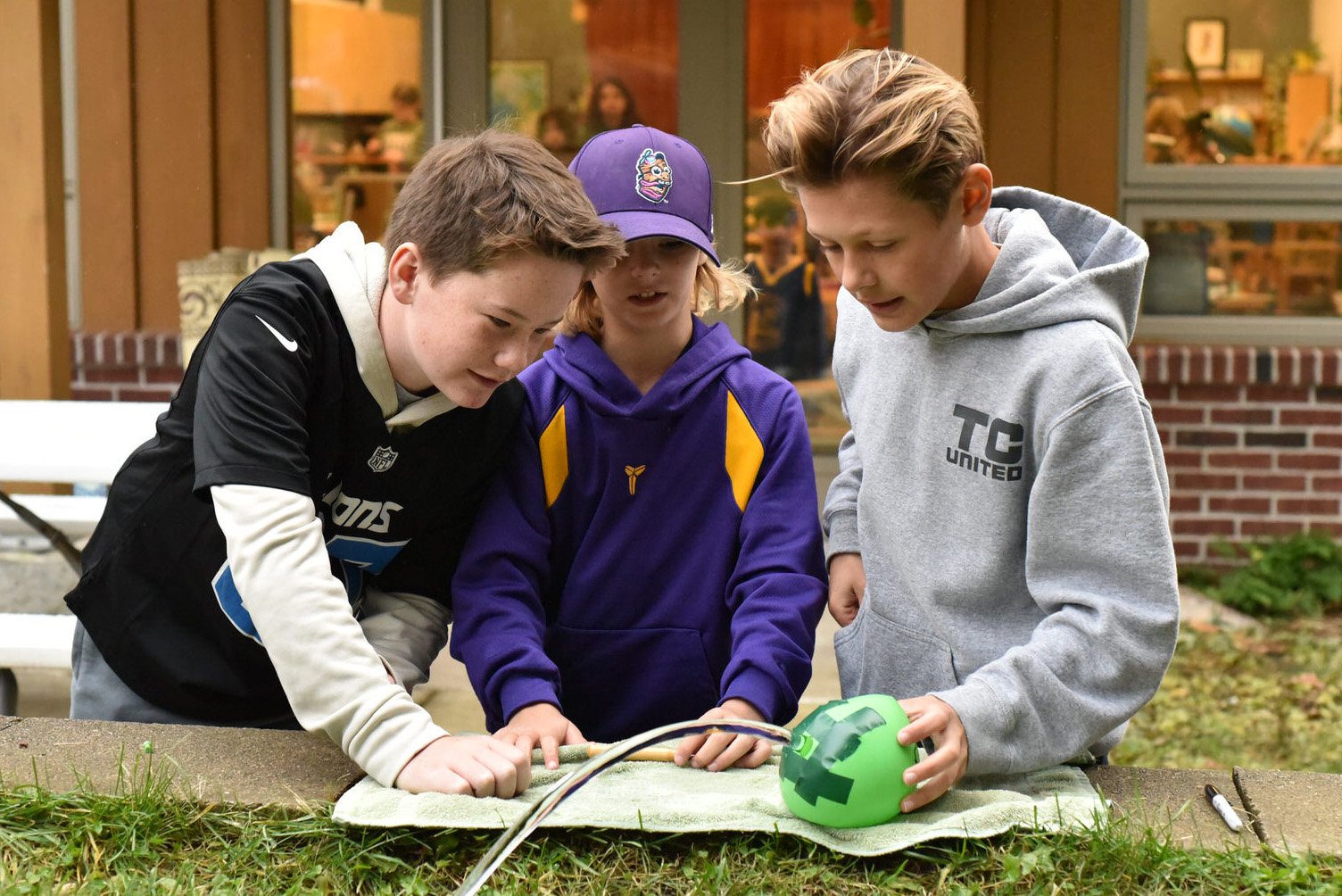
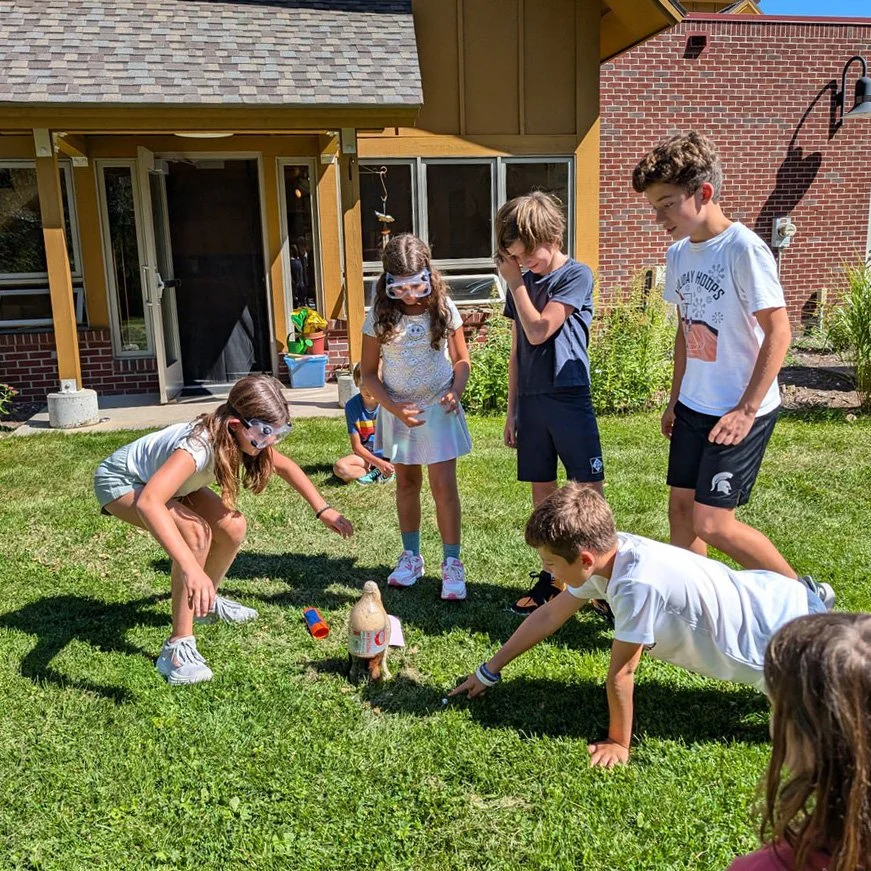
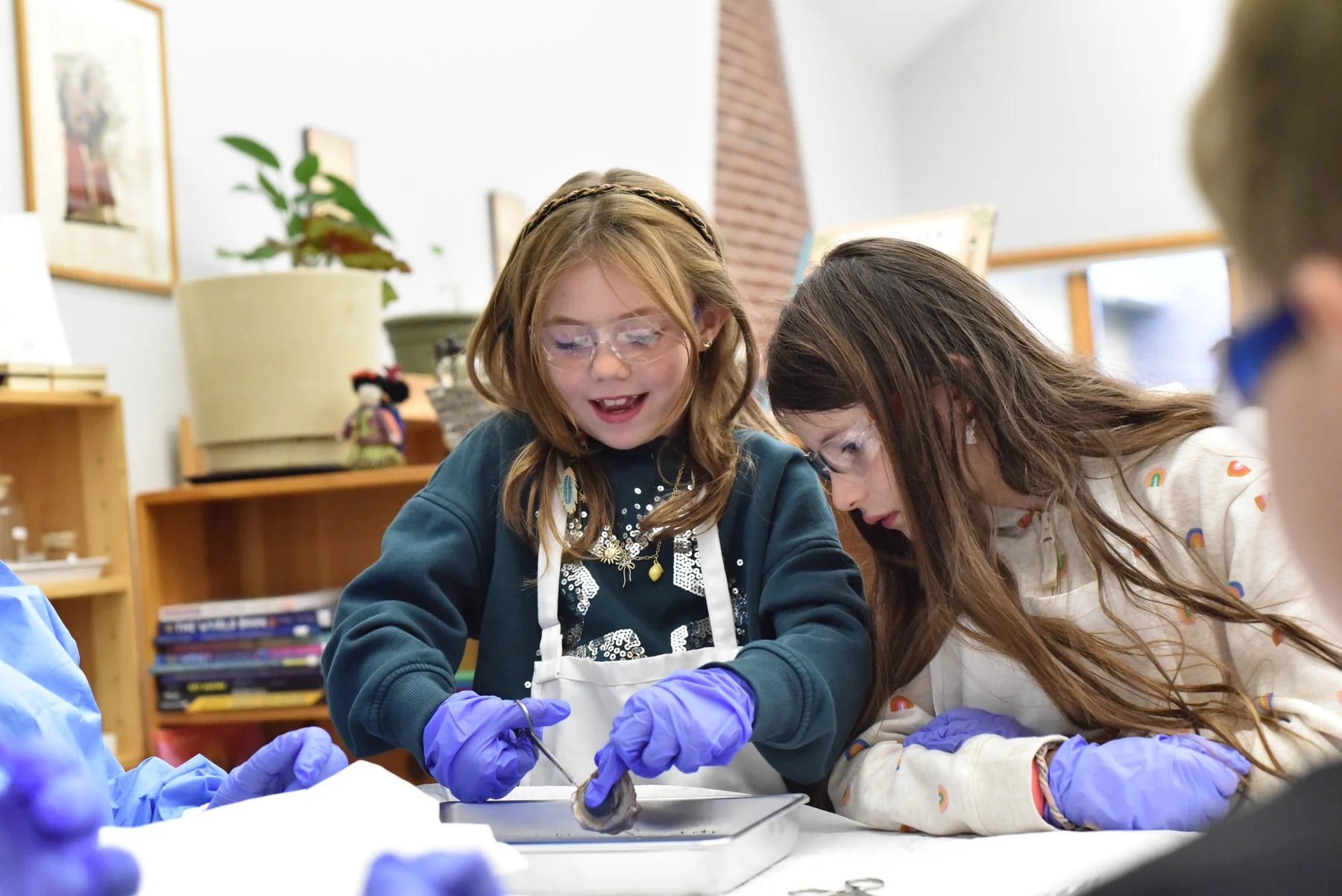
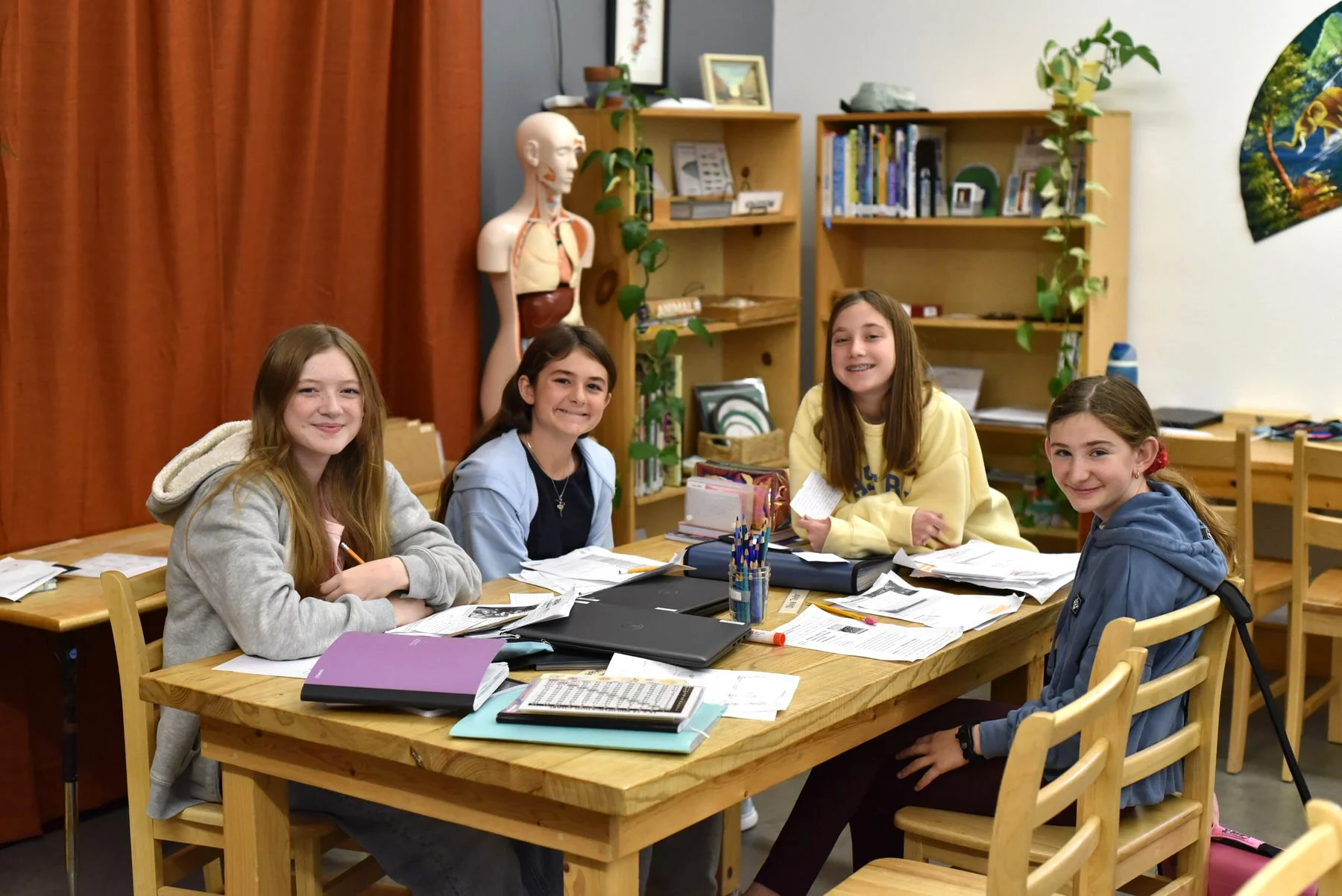
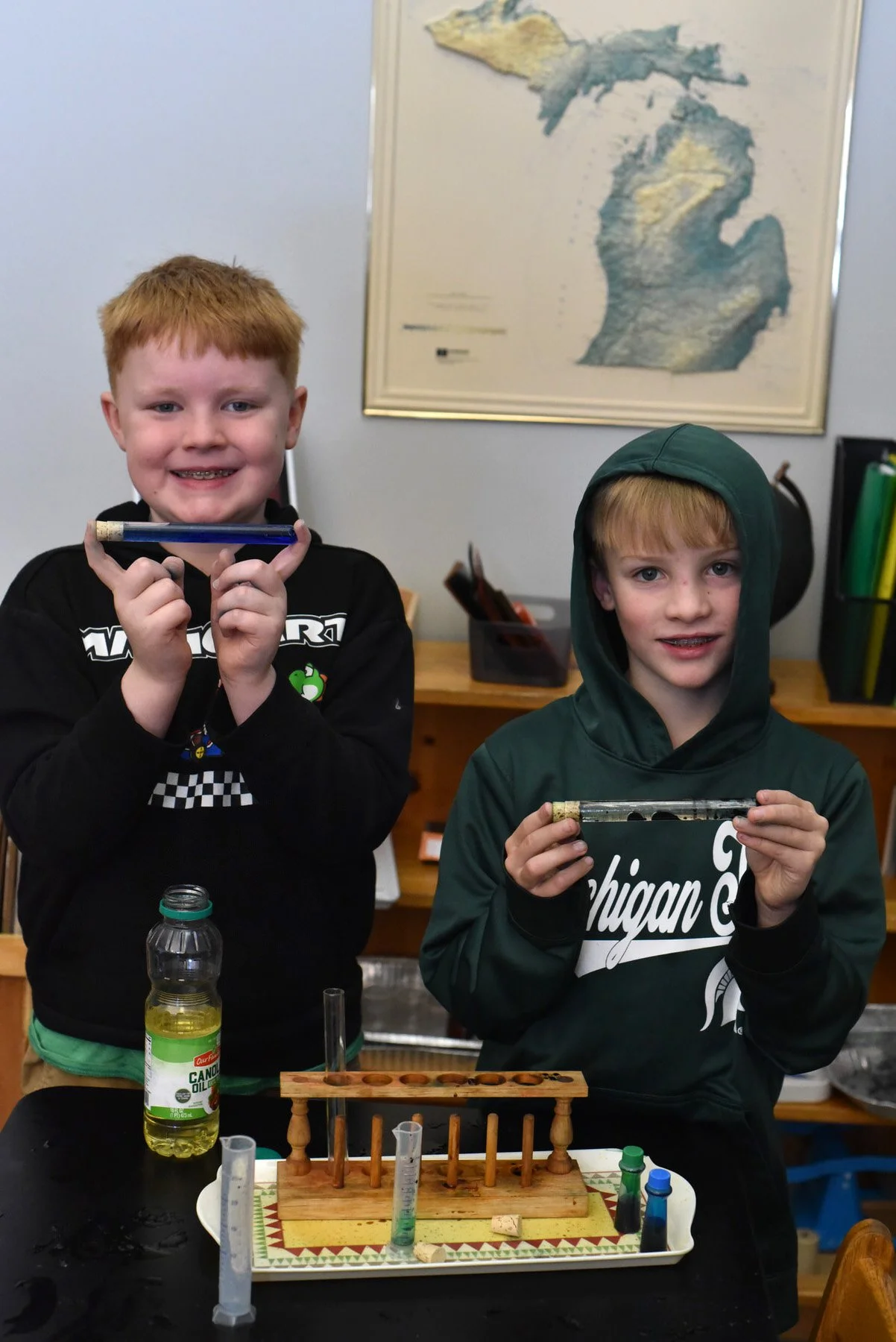
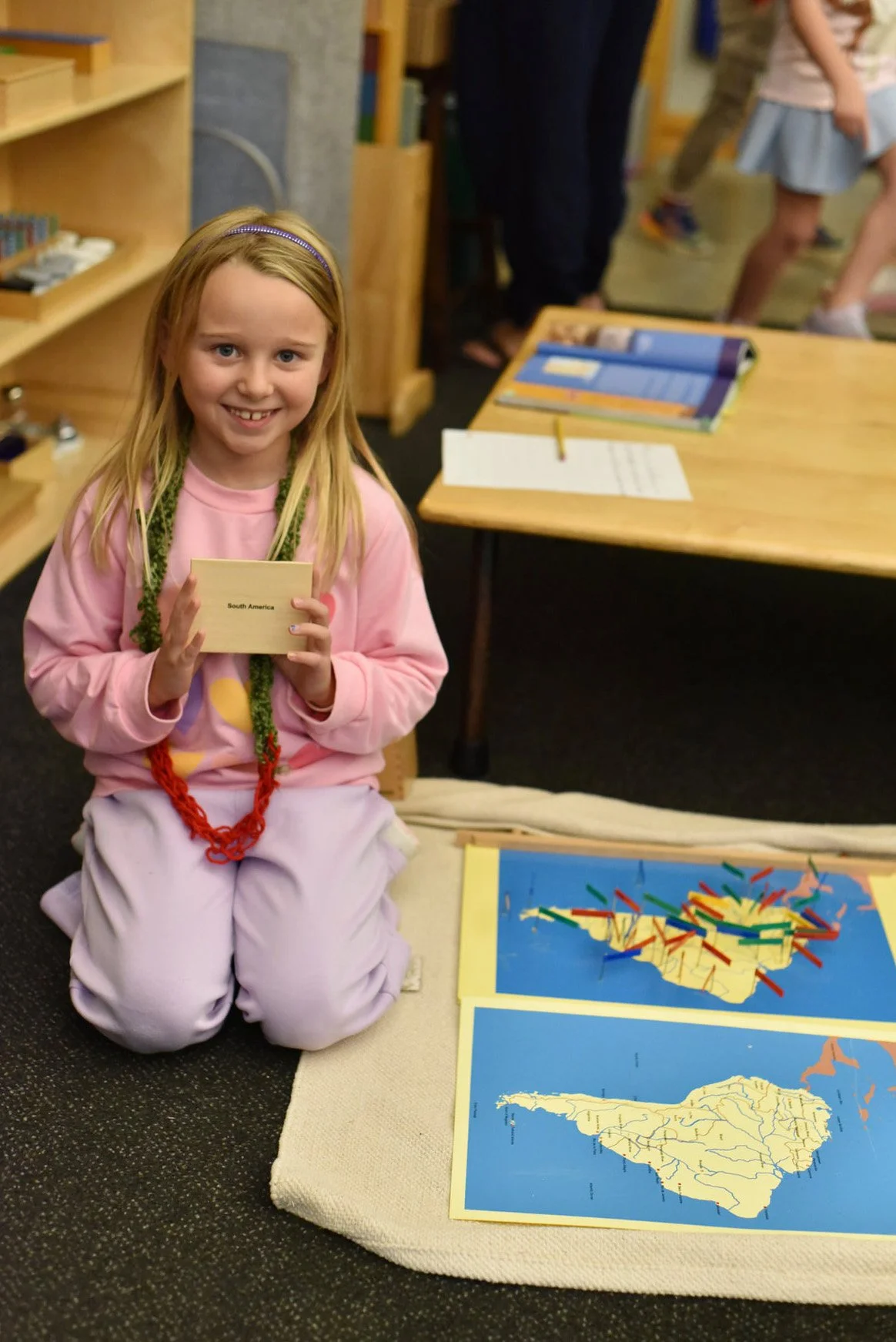
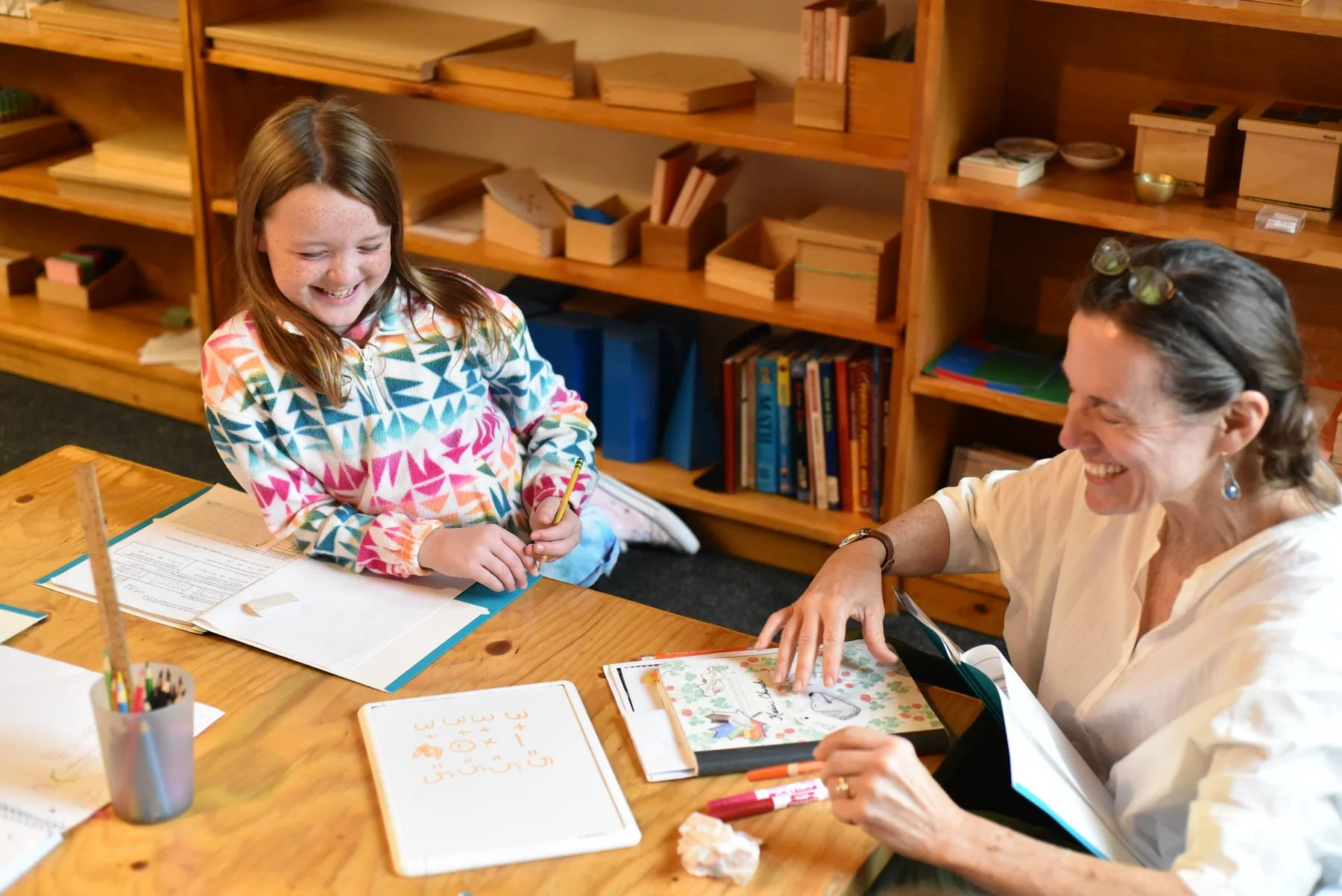
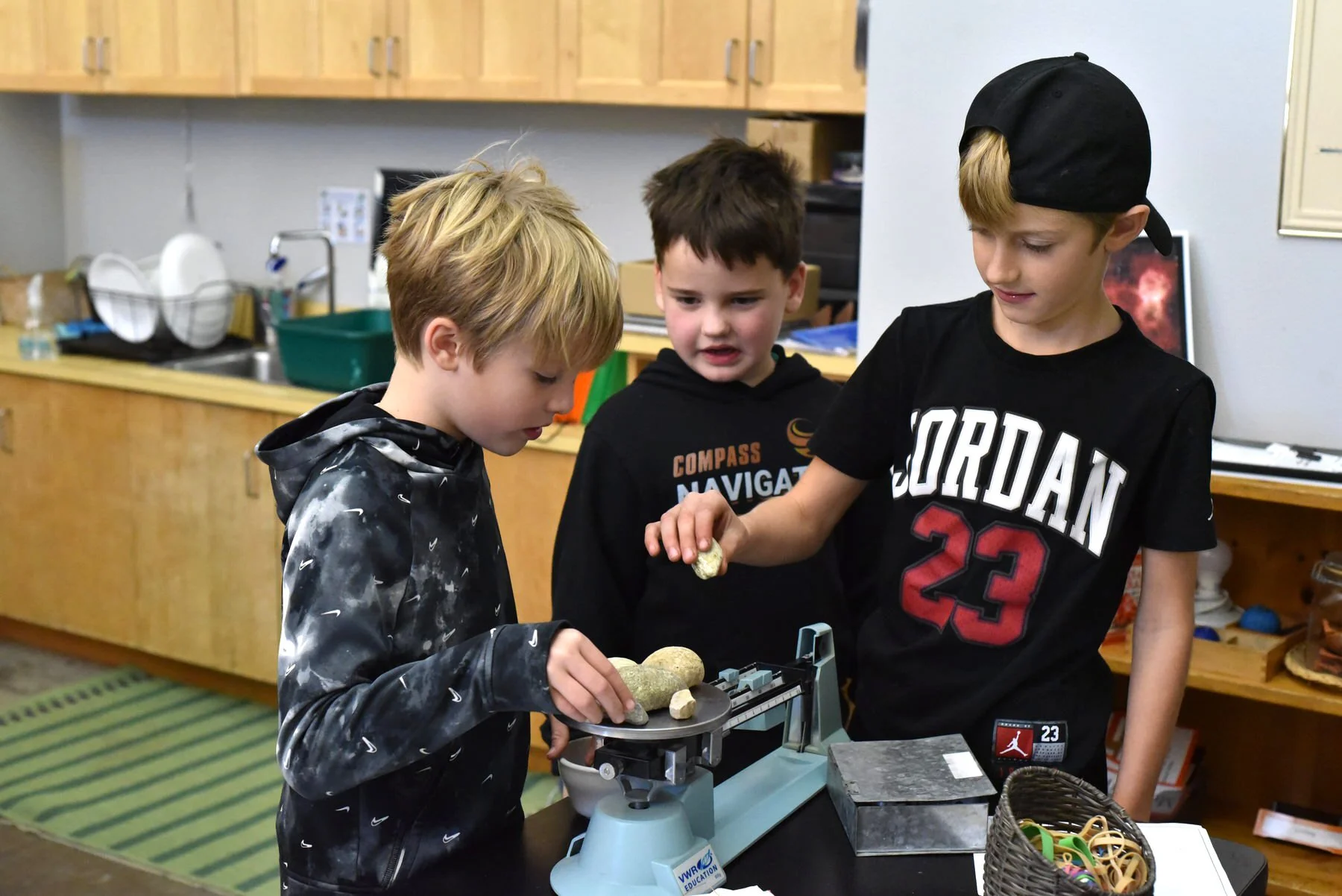
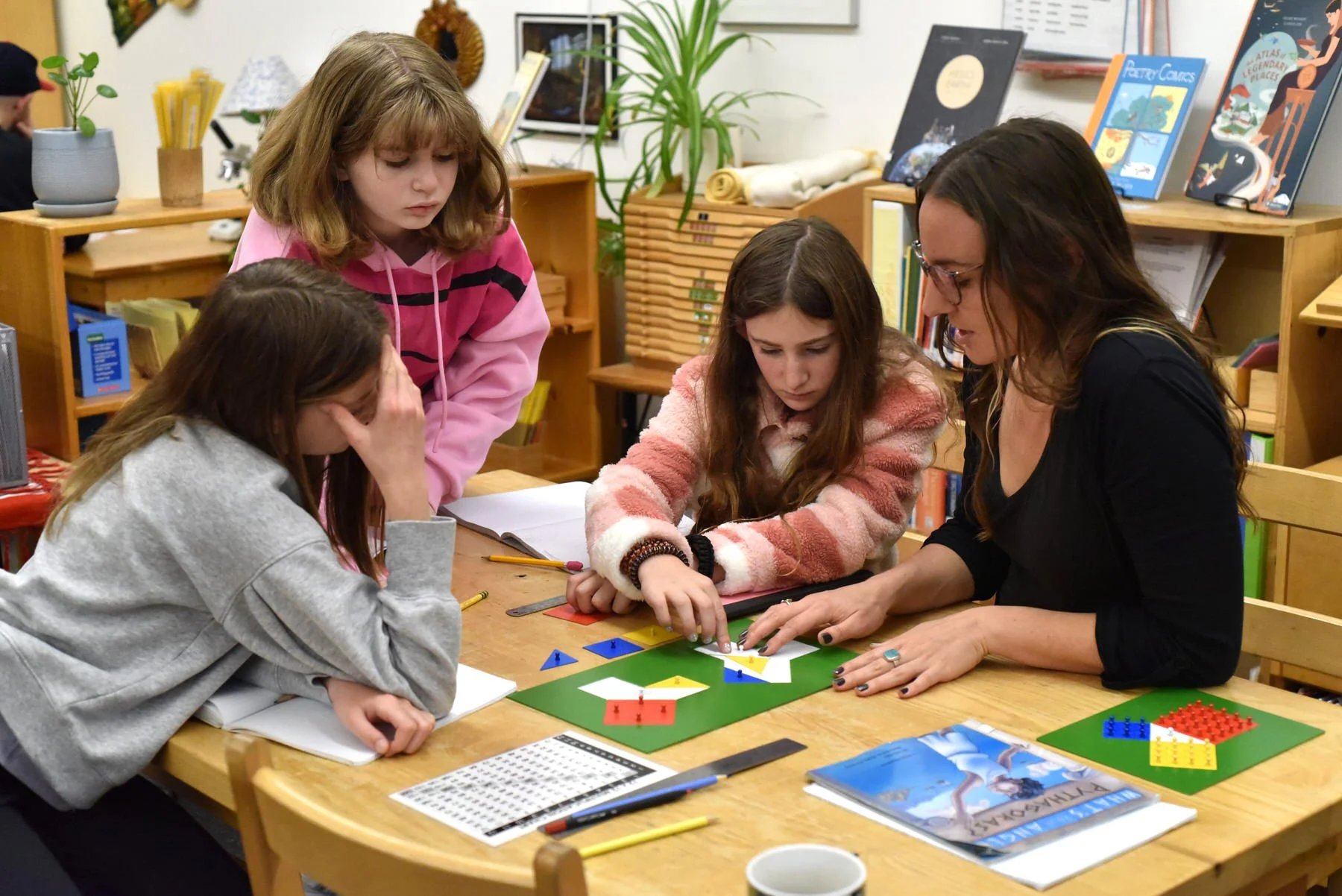
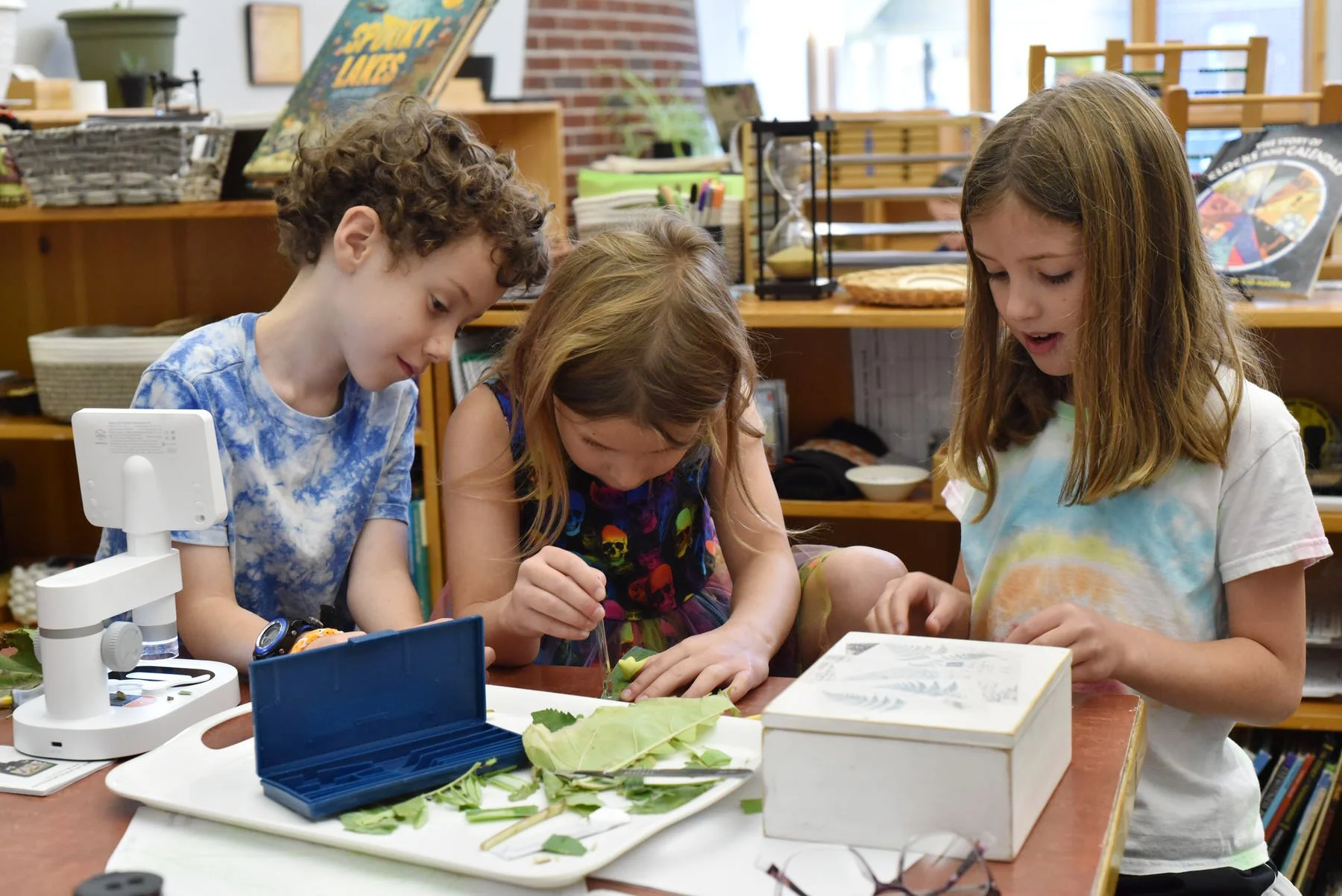
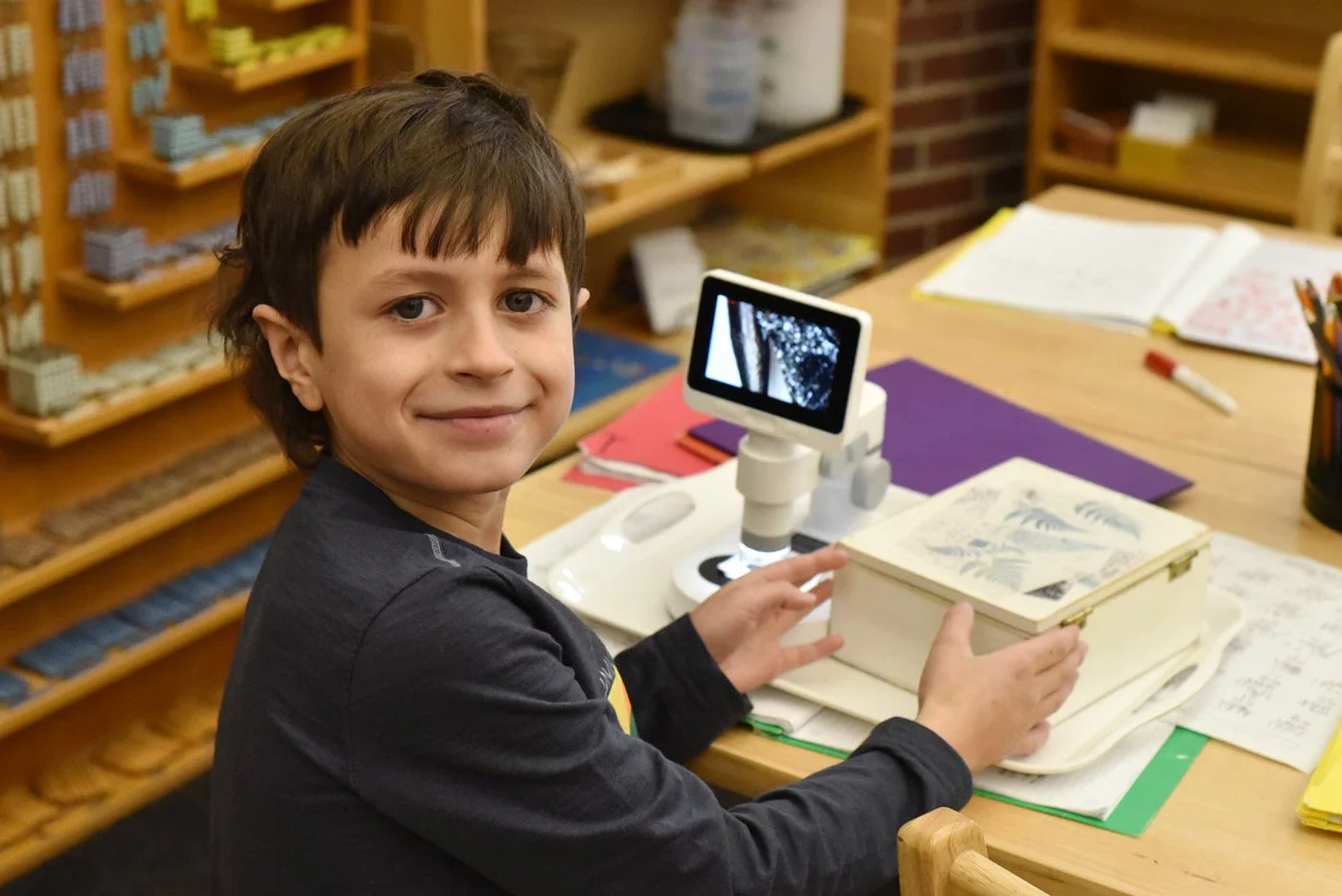
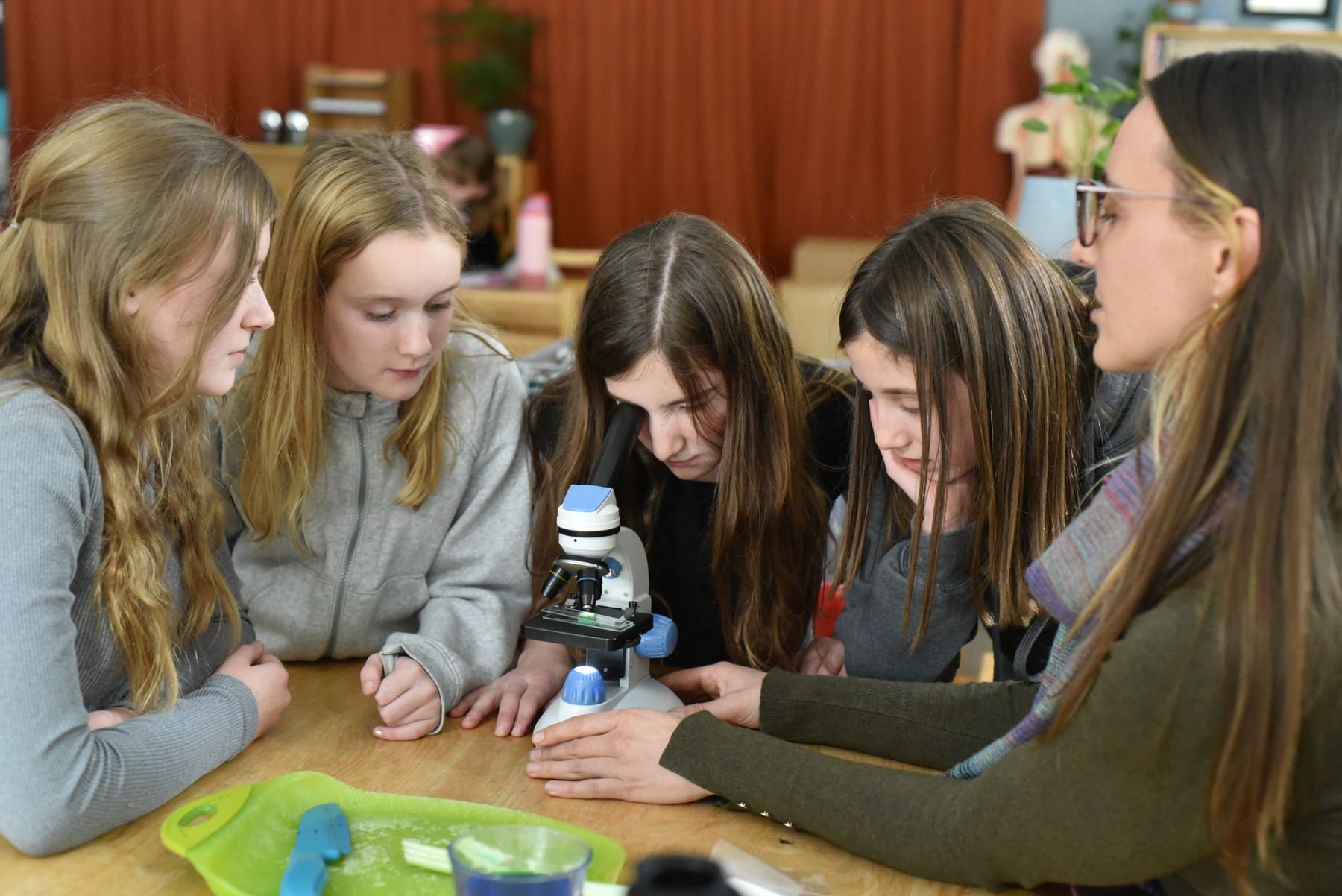
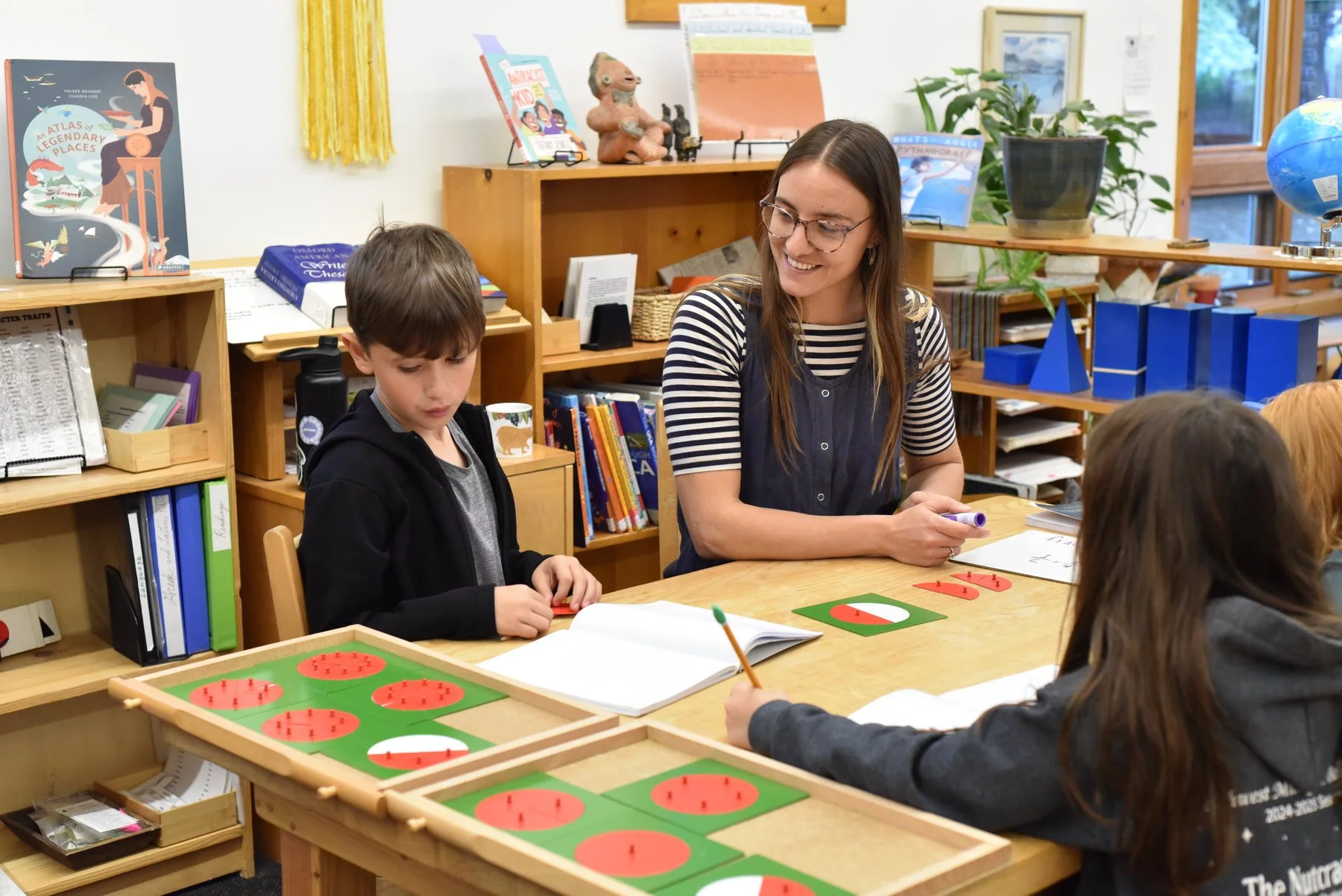
The elementary program is organized into two, three-year cycles. The first is Lower Elementary which includes first through third grade students. Upper Elementary continues with fourth through sixth grade students. These programs are based upon a rigorous, research-based curriculum that centers on mathematics, social studies, science, English language arts, and personal growth and development. In addition, students have daily and weekly lessons in physical education, visual arts, music, and Spanish. Kitchen classroom and Della Terra (gardening and botany) are also experienced.
A New Plane of Development
Dr. Maria Montessori observed a profound developmental change from the primary (ages three to six) to elementary years (ages six to 12) when it came to how they approach each other and encounter their environment. She determined this “new child” required a new educational approach, an elementary program thats built on the primary-level’s foundation to produce successful, confident, and joyful students. Montessori called this “Cosmic Education.”
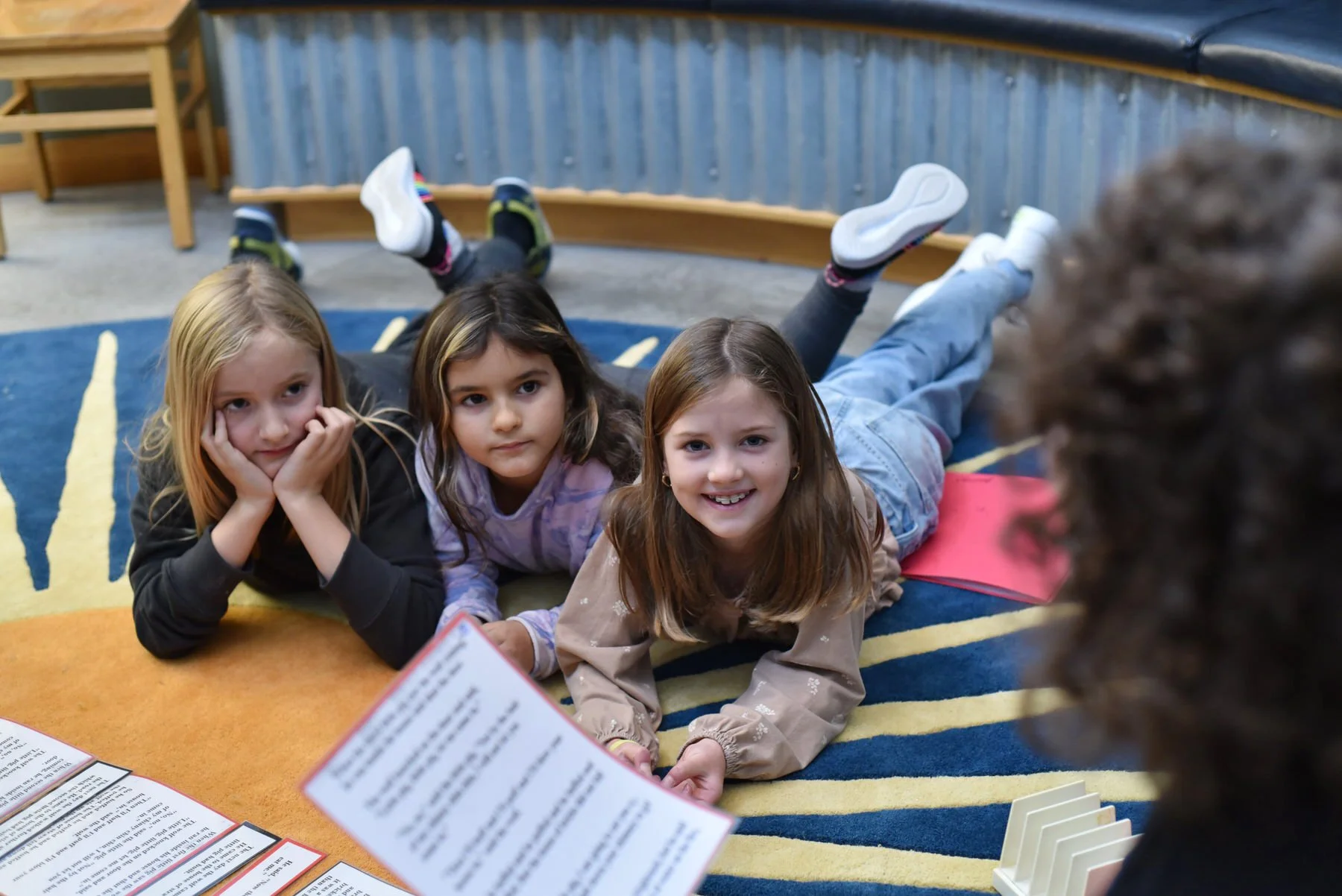
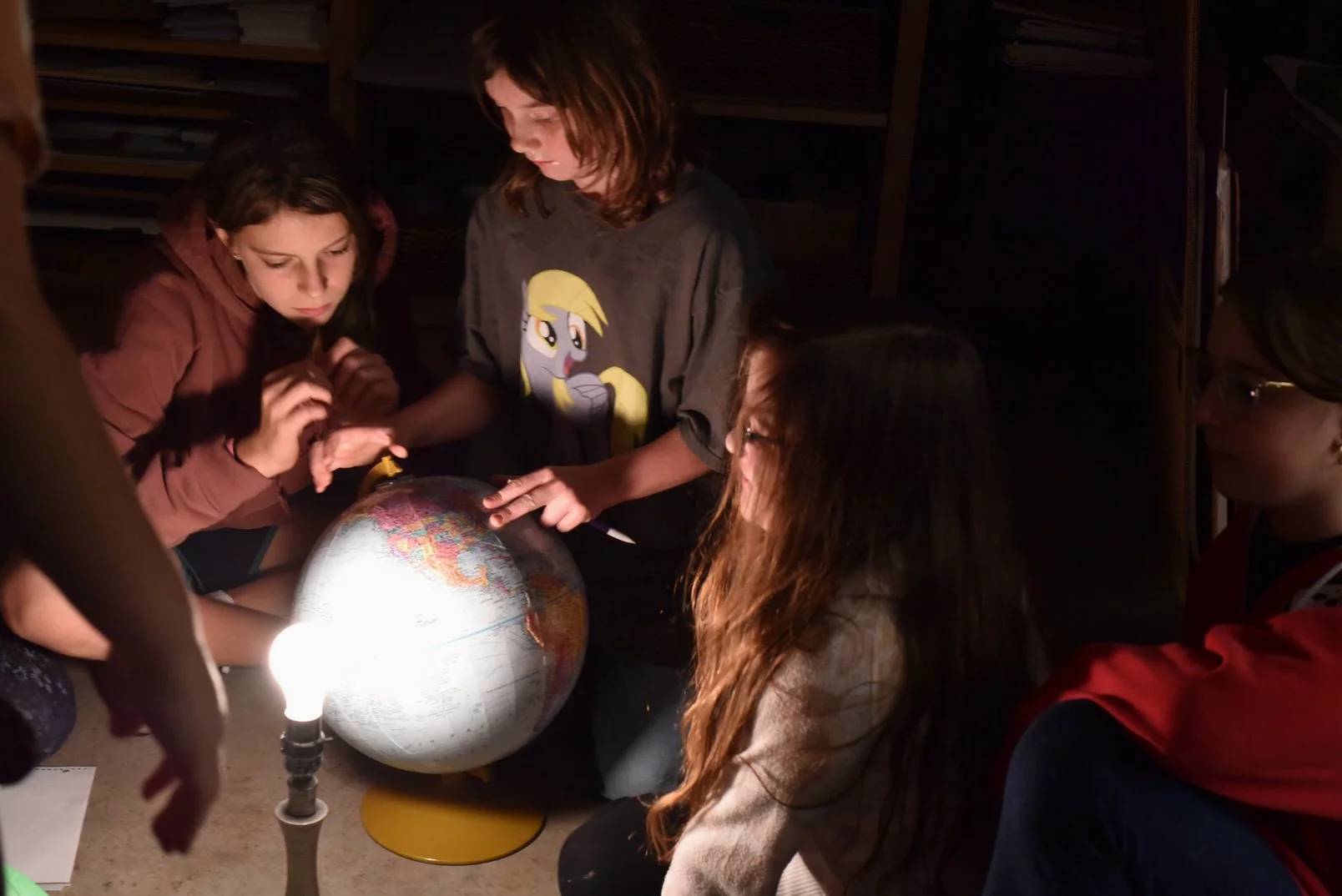
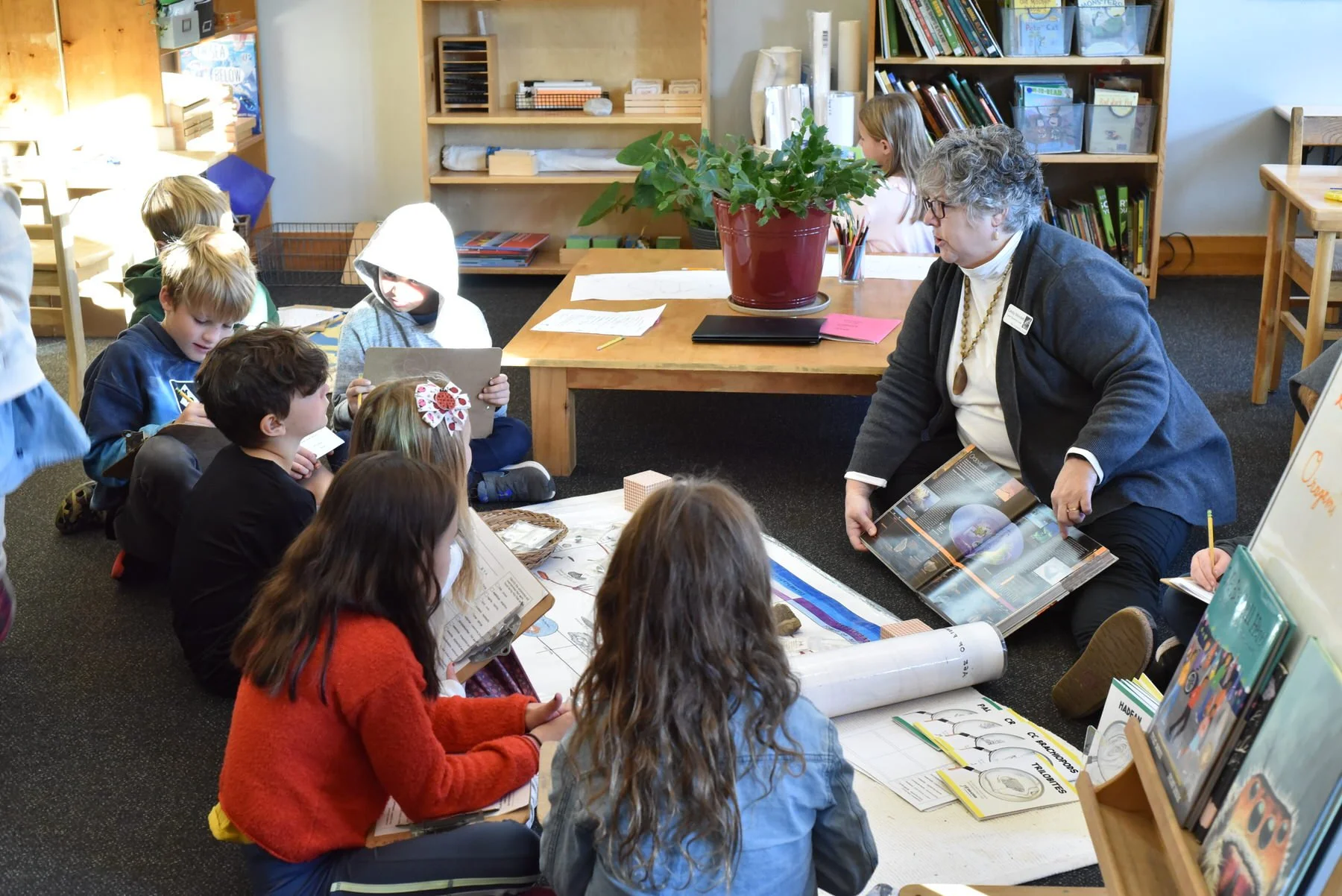
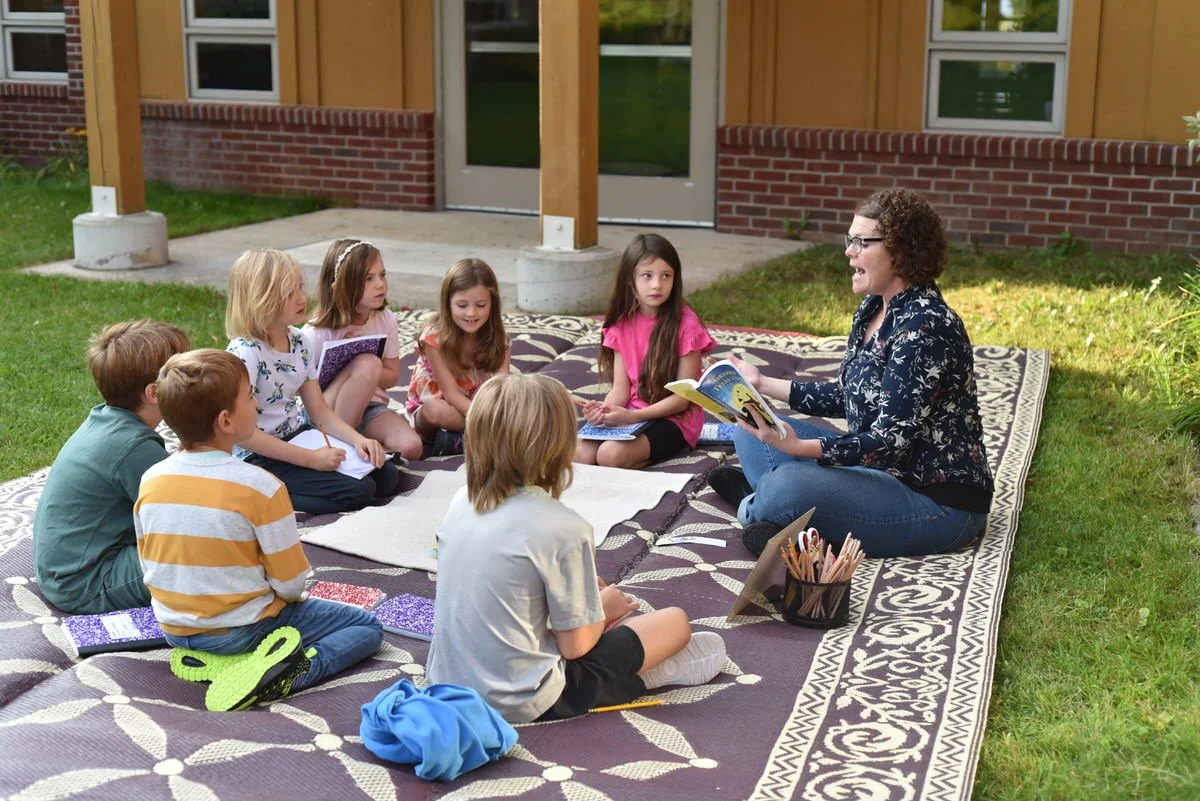
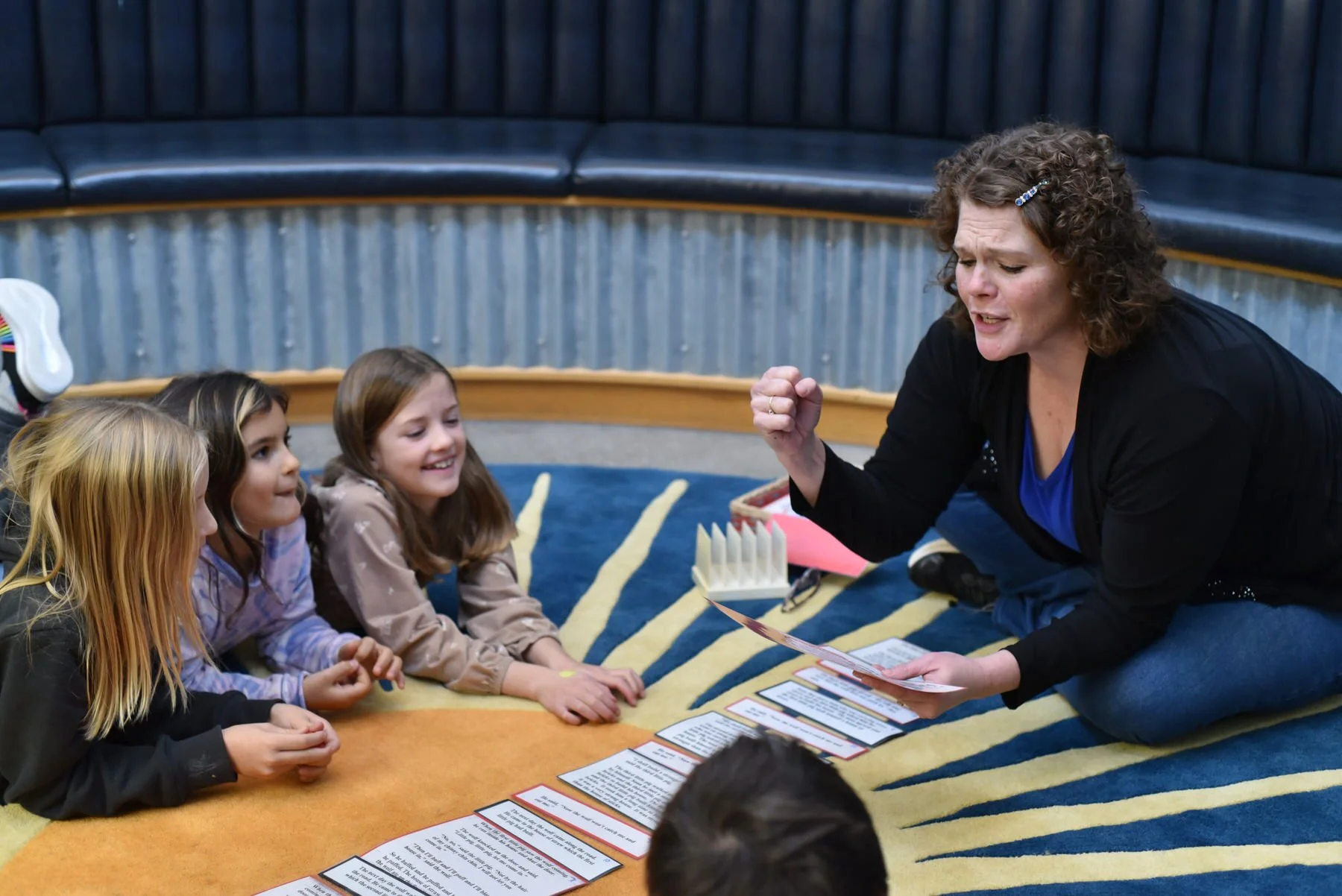
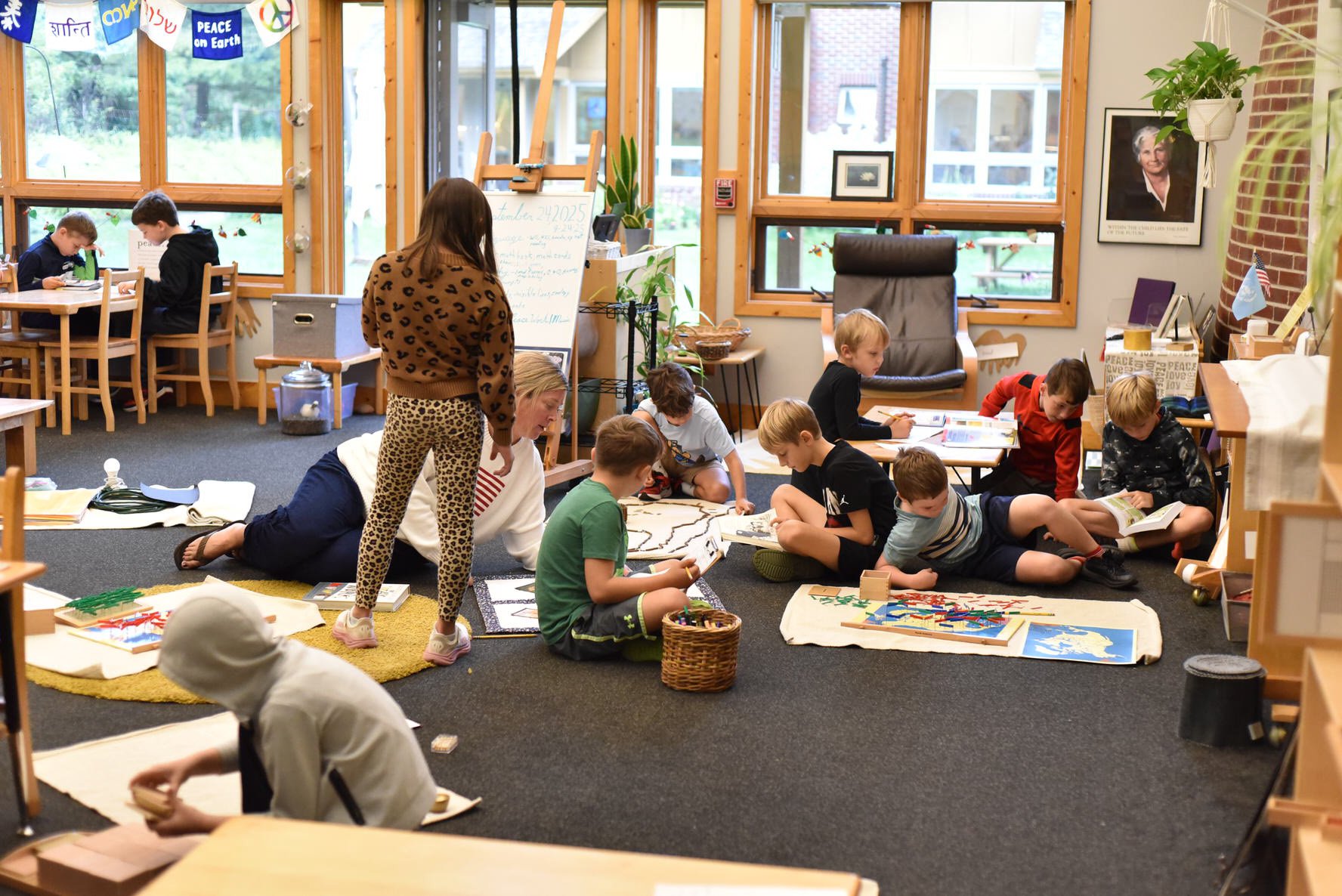
In Primary, students are connected to their environment and community through physical, concrete, and tangible activities. Elementary-age students draw on the library of ideas and sensations they experienced in their younger years to explore the universe through the power of imagination. Stories, impressionistic charts, and evocative materials give a sense of the size and age of the observable universe, the steady progression of life on Earth, the variety of terrain and climates on our planet, and the saga of human evolution, invention, and civilization. Classroom guides tell stories (“Great Lessons”) that lay out a general organization for knowledge, then invites the children to investigate details and relate them back to the whole.
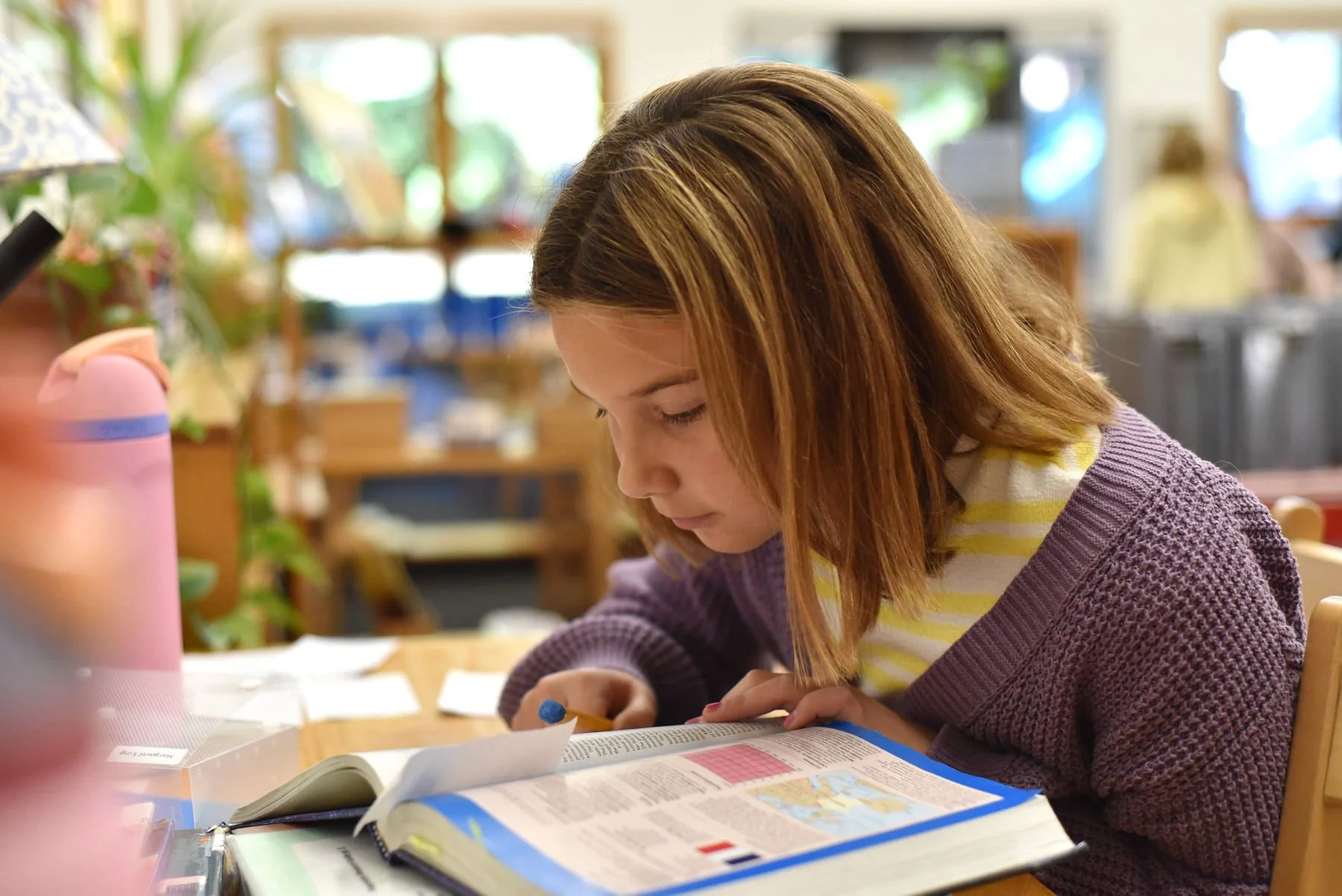
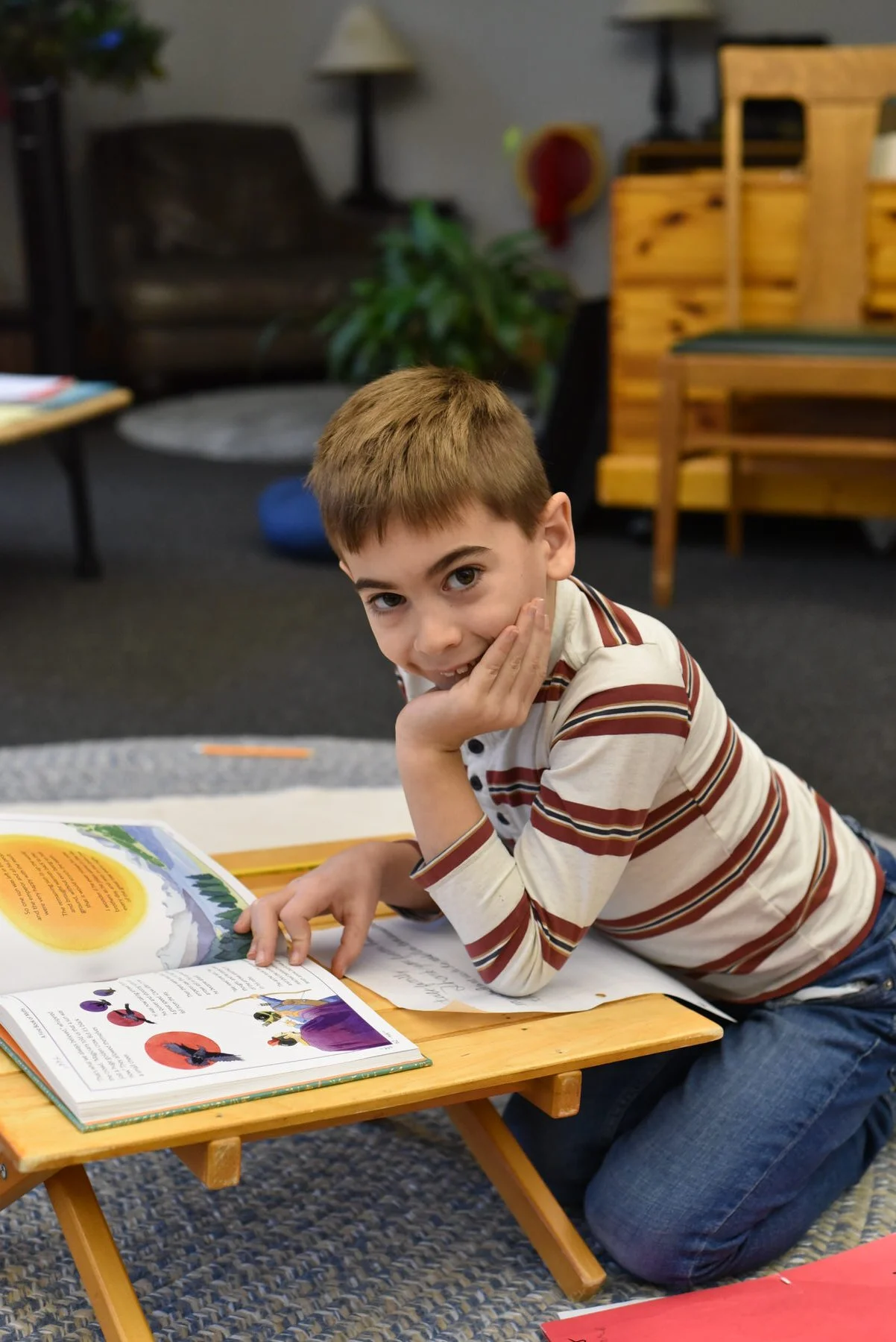
In this integrated approach to learning, children are able to acquire vast amounts of knowledge and expertise. Through study of a wide variety of topics such as ancient civilizations, algebra, human anatomy and physiology, cultural studies, the mechanics of language, and everything in between, students are engaged in learning piqued by their strong desire to understand.
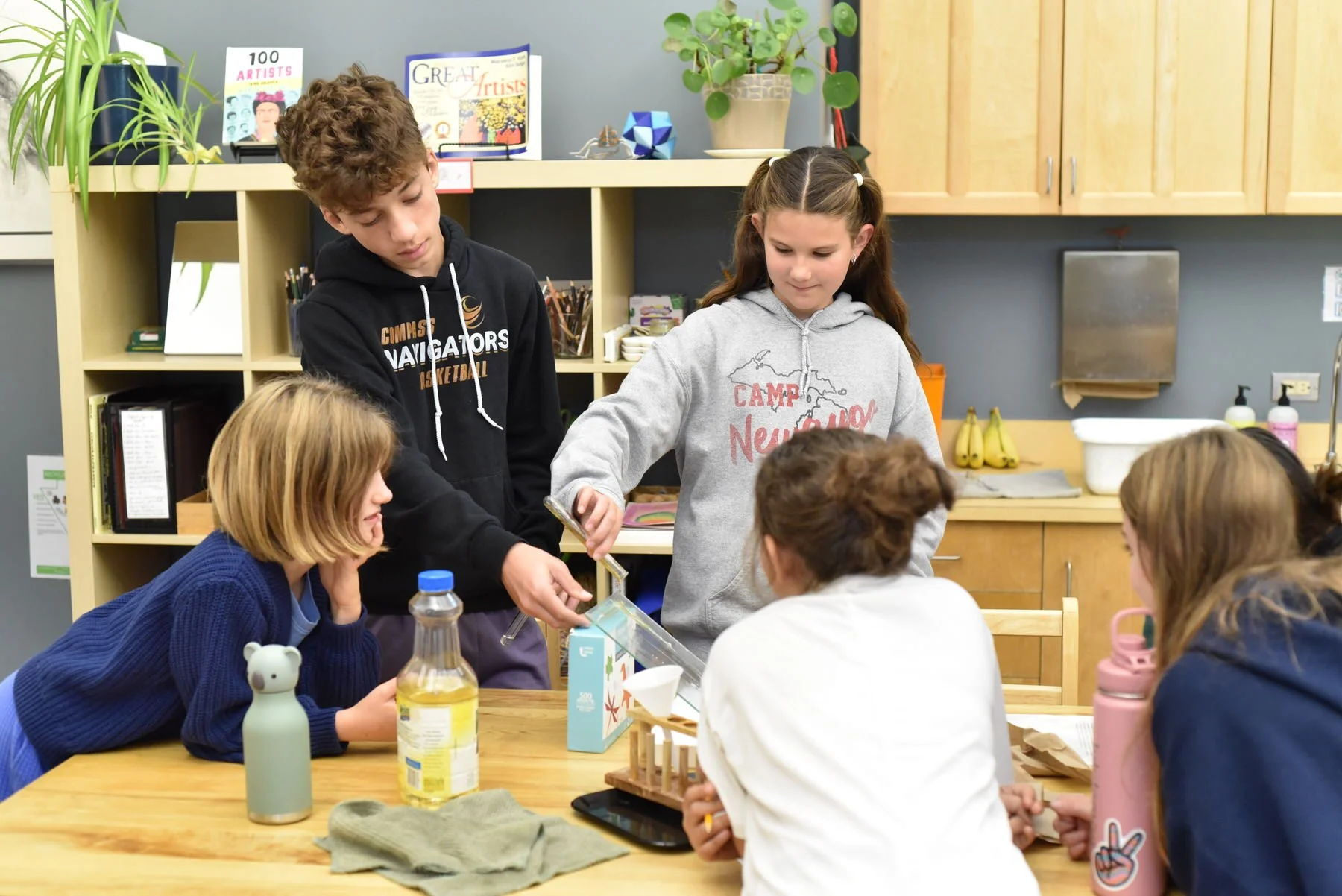
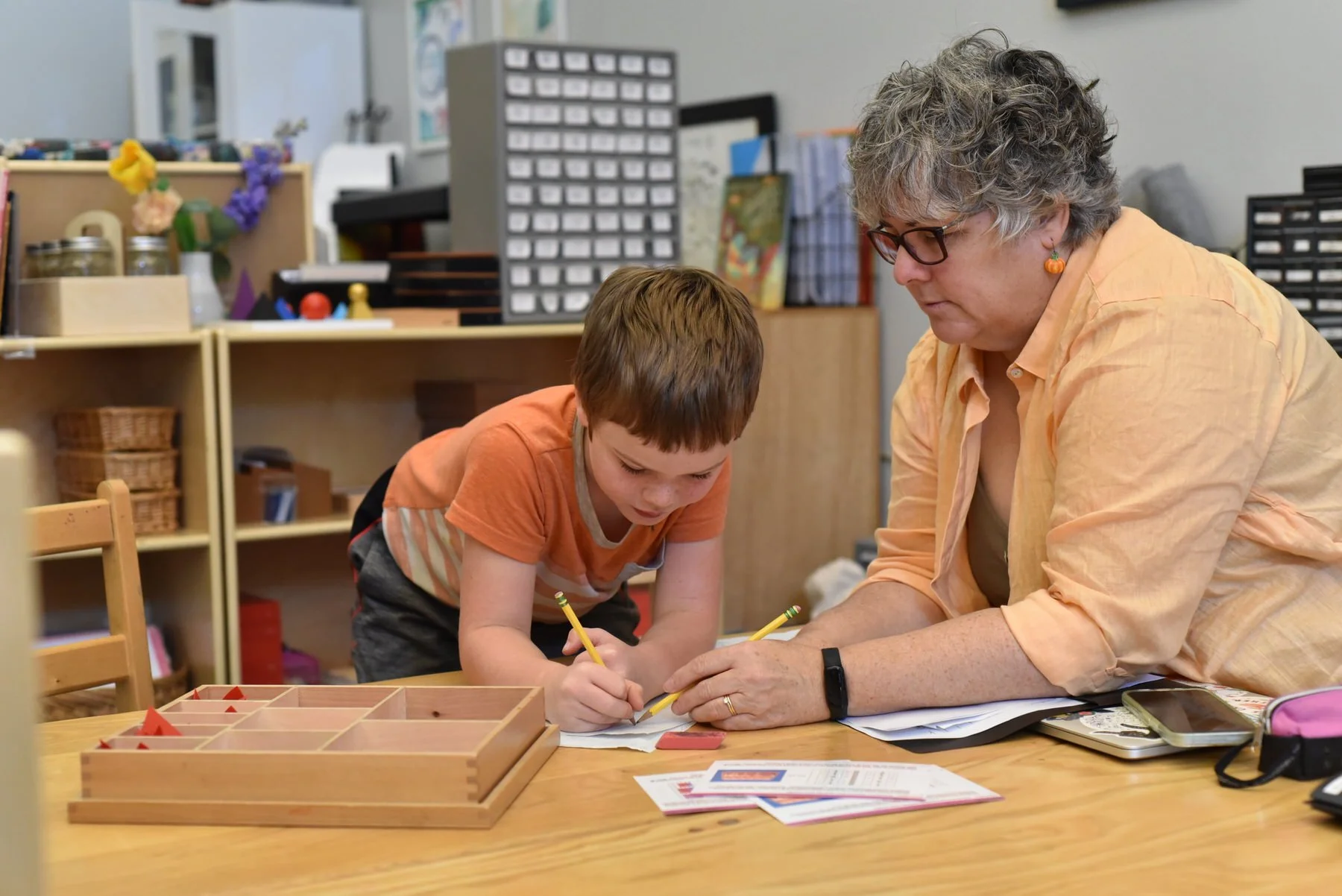
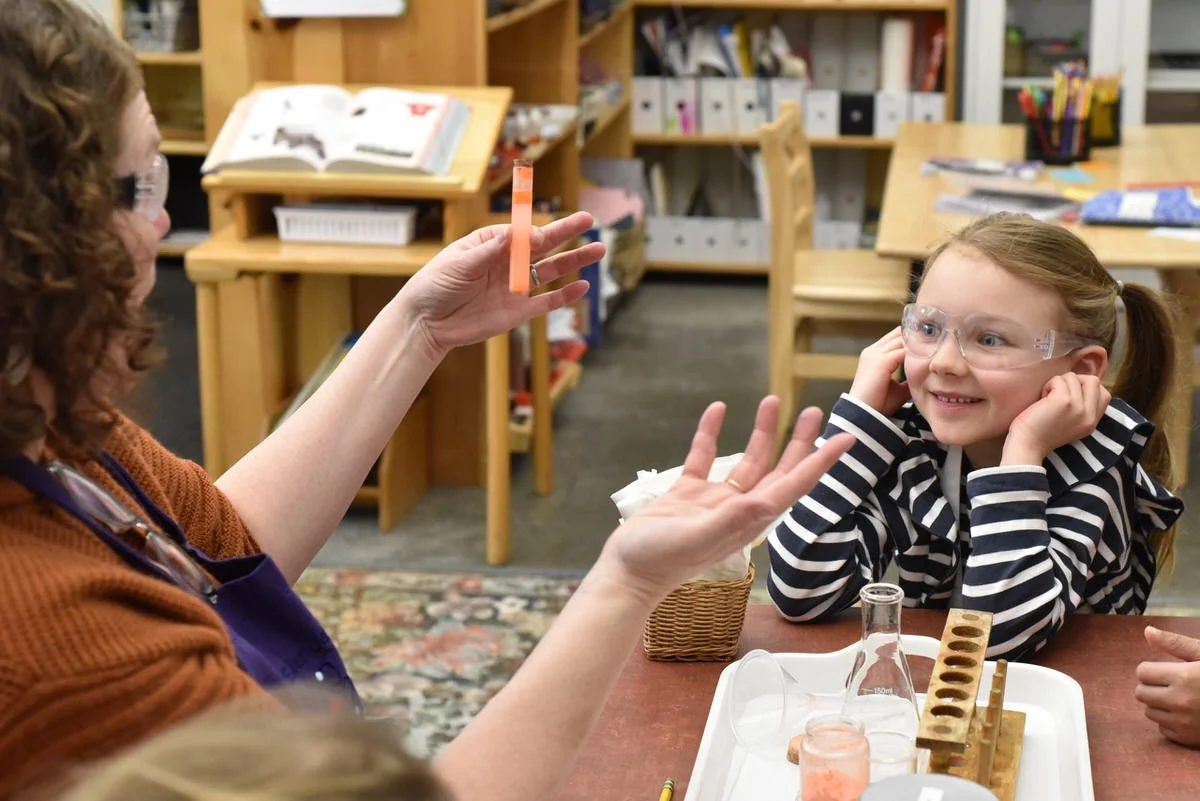
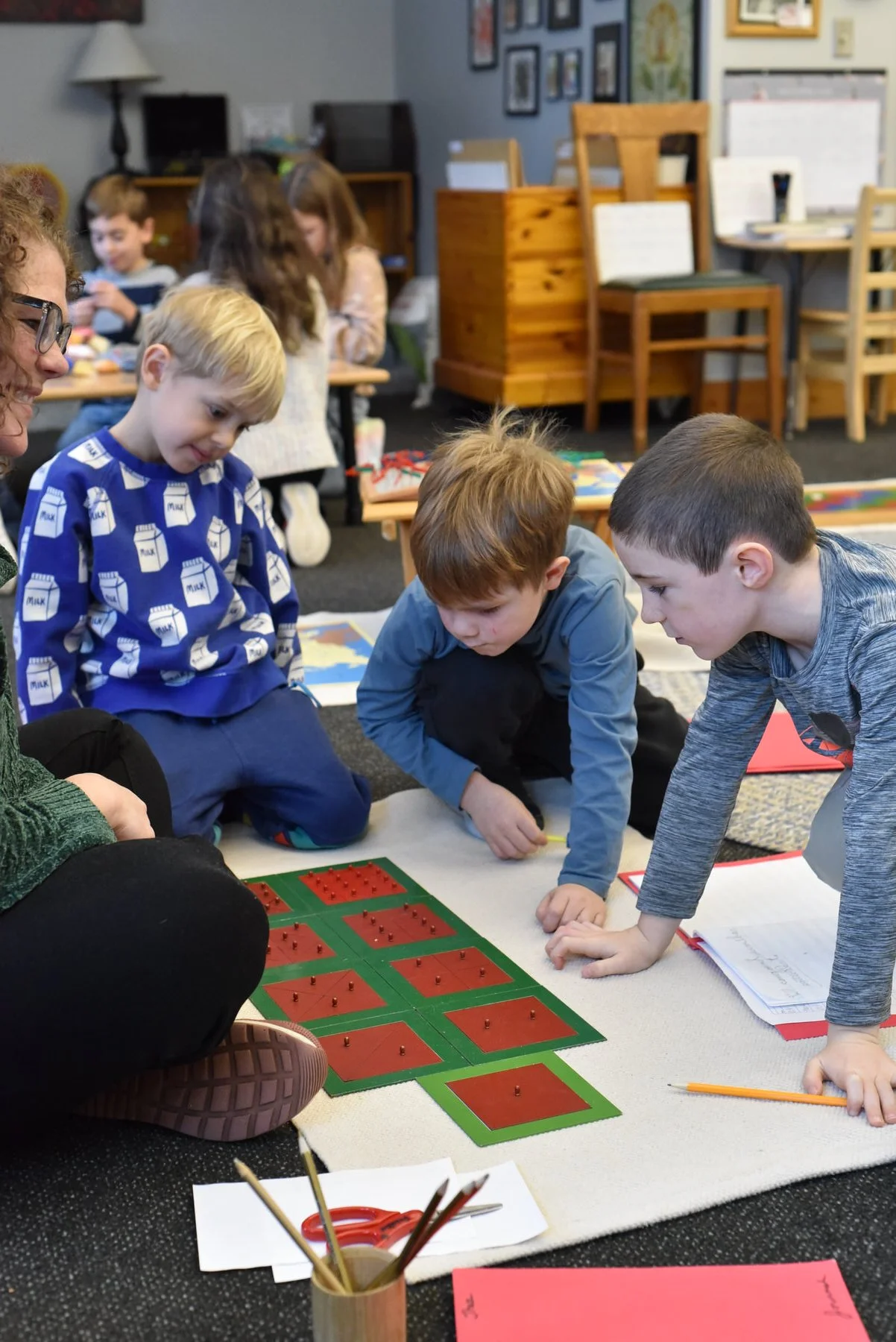
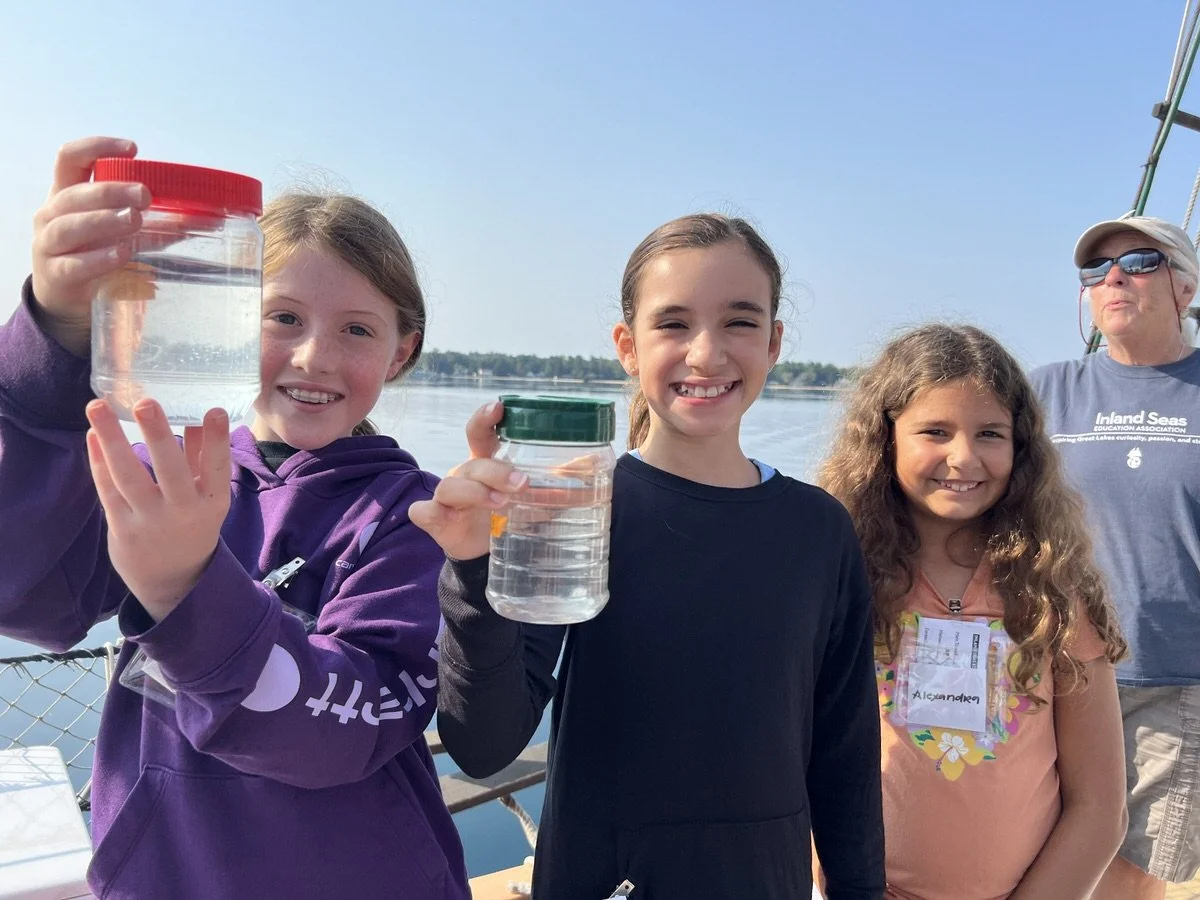
The elementary classroom offers more learning opportunities than any standard. And since the classroom encourages exploration by individuals and small groups who then report back to the whole community, the children create a rich culture of discovery that constantly exposes them to a wide variety of information.
Senses Of Justice And Community
Elementary-age children typically develop a strong interest in ethics and justice. The same impulse that led the primary-age child to insist, “Help me to do it by myself,” for physical tasks—putting on a coat, or carrying a chair, or opening a door—now moves into the moral realm. Elementary students want to independently investigate issues of fairness, rules of behavior, and roles in a group. Their questions move from the primary (“What is that?”) to the elementary (“Why is that?”).
Cause and effect, connections and consequences, are of great interest. Classroom materials direct these intellectual and social explorers to the interrelated roles in any society or ecosystem: the give and take that allows for a balance between plants and animals, predator and prey, or farmers and merchants.
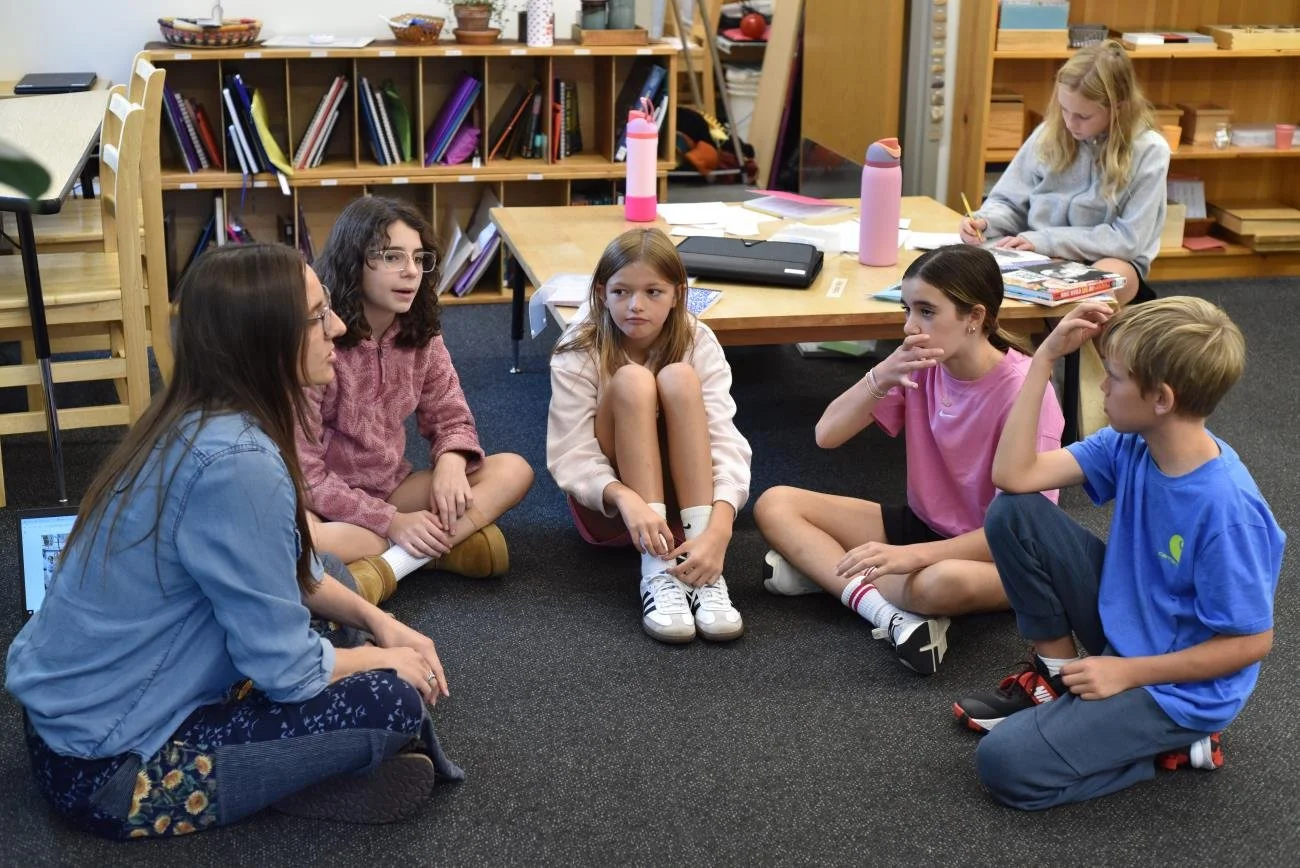
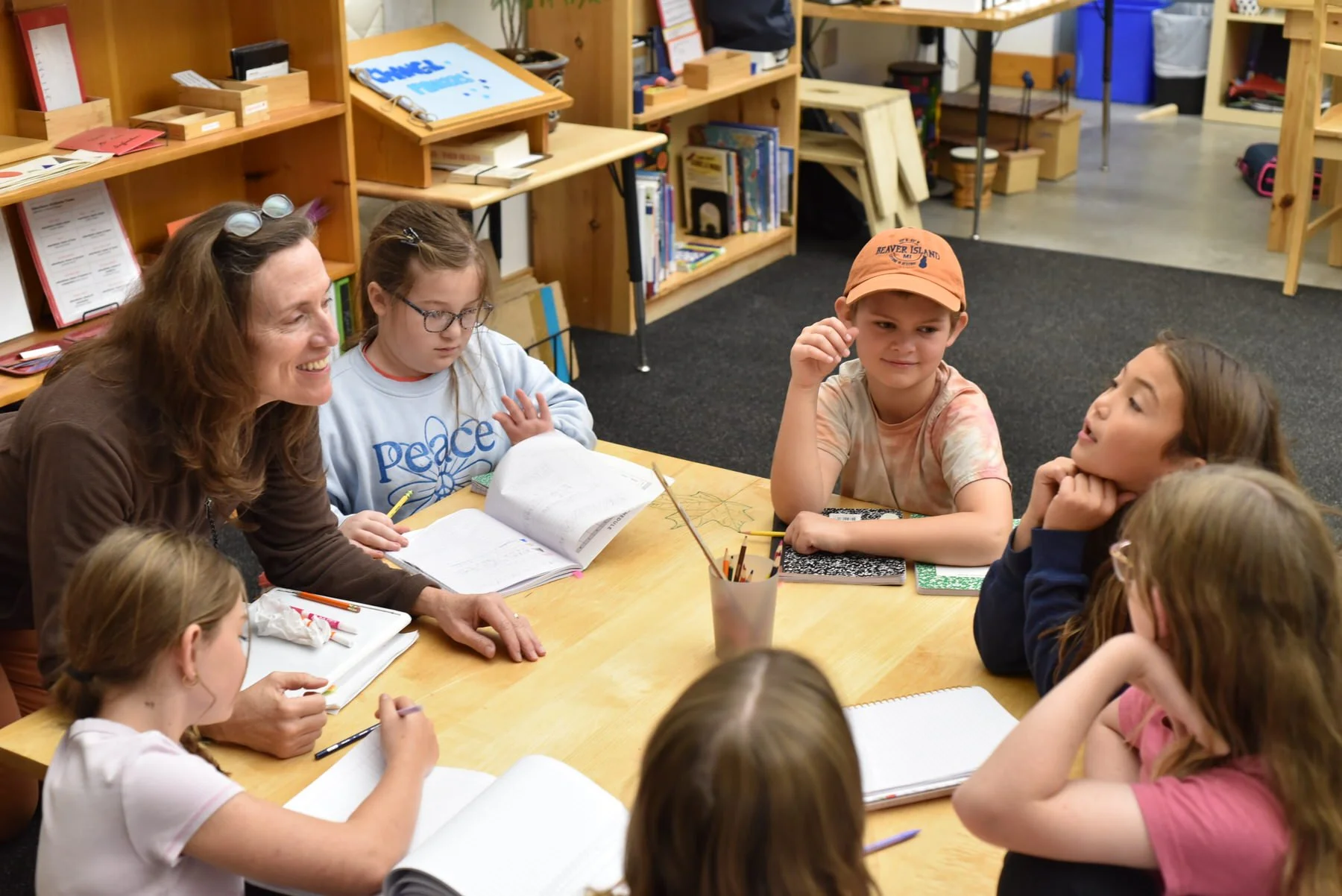
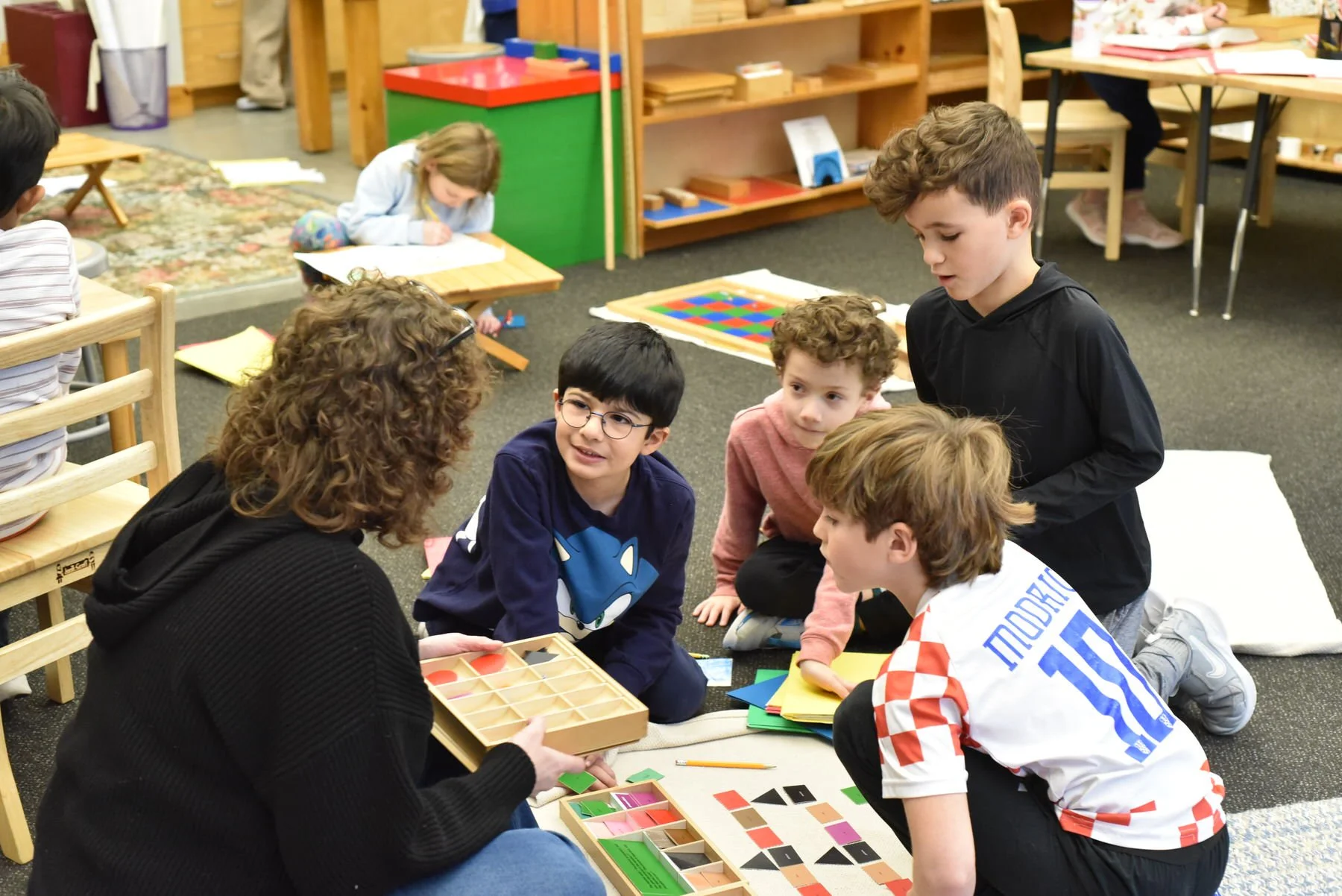
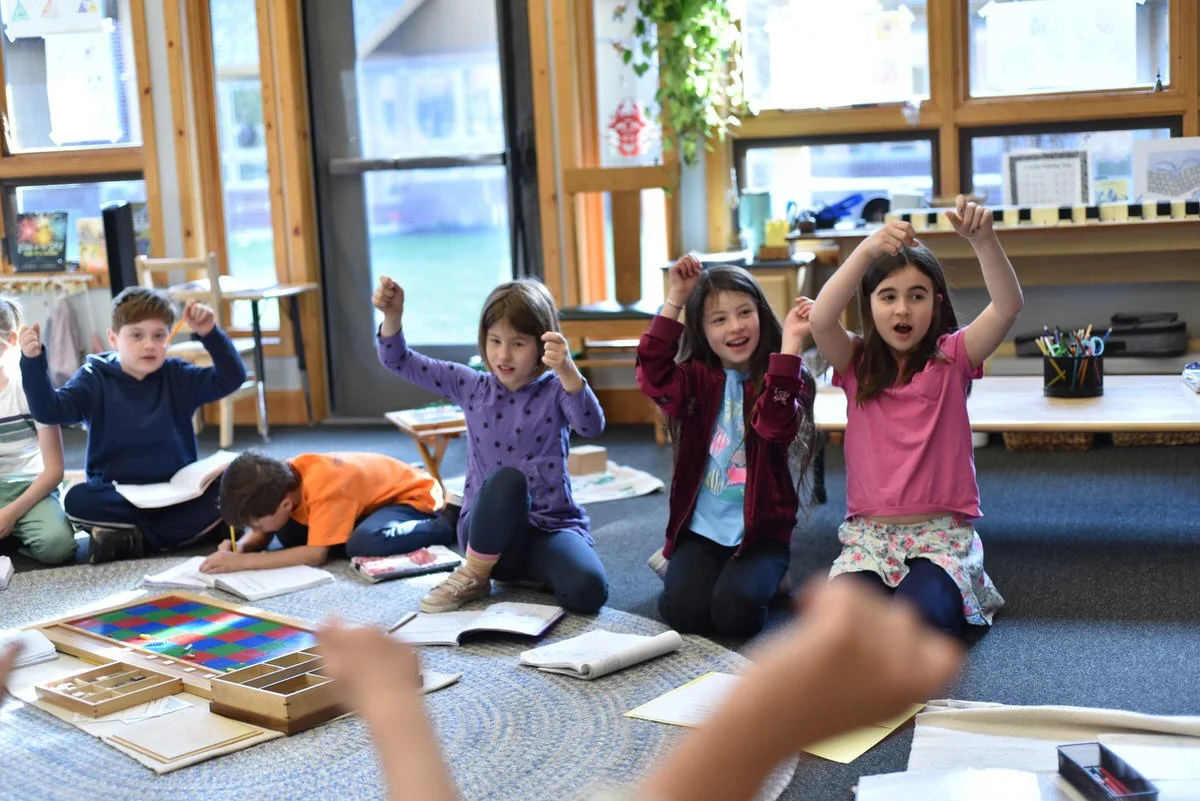
Elementary students meet regularly as a group in order to discuss classroom ethics, solve problems collectively and present research to one another. When the whole community comes together, they are able to negotiate solutions to situations that arise in an environment where each individual’s feelings and perspectives are respected. With the classroom guide acting as a facilitator, students create a smoothly functioning classroom community, while developing genuine skills of negotiation, diplomacy and compromise through authentic discussions about real situations; skills that stay with them as they grow and mature into adolescents and beyond.
Faculty
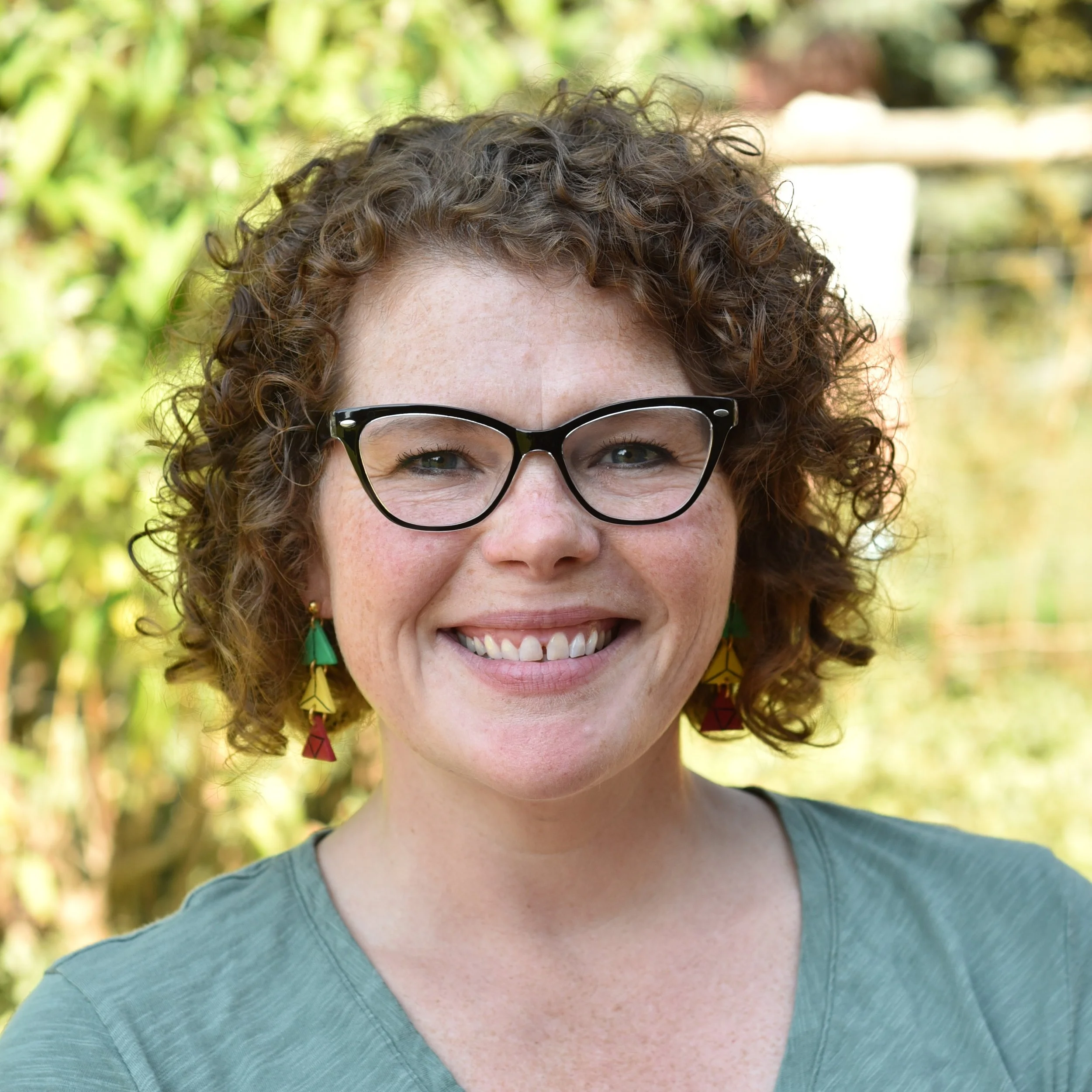
Jaime Janiszewski, Lower Elementary Guide
AMI Montessori Elementary Certification, Montessori Institute of North Texas
Comprehensive Orton Gillingham Certification through the Institute of Multisensory Education
AMI Elementary Assistant Certification
B.A. in Speech Communication from East Central University
The Children's House Experience: (2020 - present):
Substitute - All Areas, Upper Elementary Classroom Support, Lower Elementary Guide
Jaime is a member of the TCH community as a parent and teacher. She enjoys spending time with her family and animals by exploring Northern Michigan and its abundant beauty on hikes, at the beach, camping, and riding bikes. Jaime also enjoys improv, theatre, learning new things, and reading.

Carey Wendell, Lower Elementary Guide
B.S. Genetics, University of California-Davis
M.S. Horticulture, University of Wisconsin-Madison
M.A. Elementary Education and an Education Specialist in Leadership, Oakland University
Lower Elementary Certification, American Montessori Society
Upper Elementary Certification, Michigan Montessori Teacher Education Center (MMTEC)
Middle School and High School Certification, Houston Montessori Center
The Children's House Experience: (2025 - present):
Lower Elementary Guide
Carey attended Montessori for primary school, where she grew up, in Berkeley, CA. She has experience working in private Montessori schools. She also serves as an Elementary Montessori teacher trainer at the Michigan Montessori Teacher Education Center. When she is not teaching, Carey enjoys gardening and baking, as well as listening to and performing music. She and her husband Doug have two children (both Montessori kids). They live and work on the East Coast, Liz in New Haven, CT, and Jae in Brooklyn, NY. Carey's mom, Patt, and her extended family have deep roots in Leelanau County. You may even spot Patt serving up cider at 2K Cider and Winery.
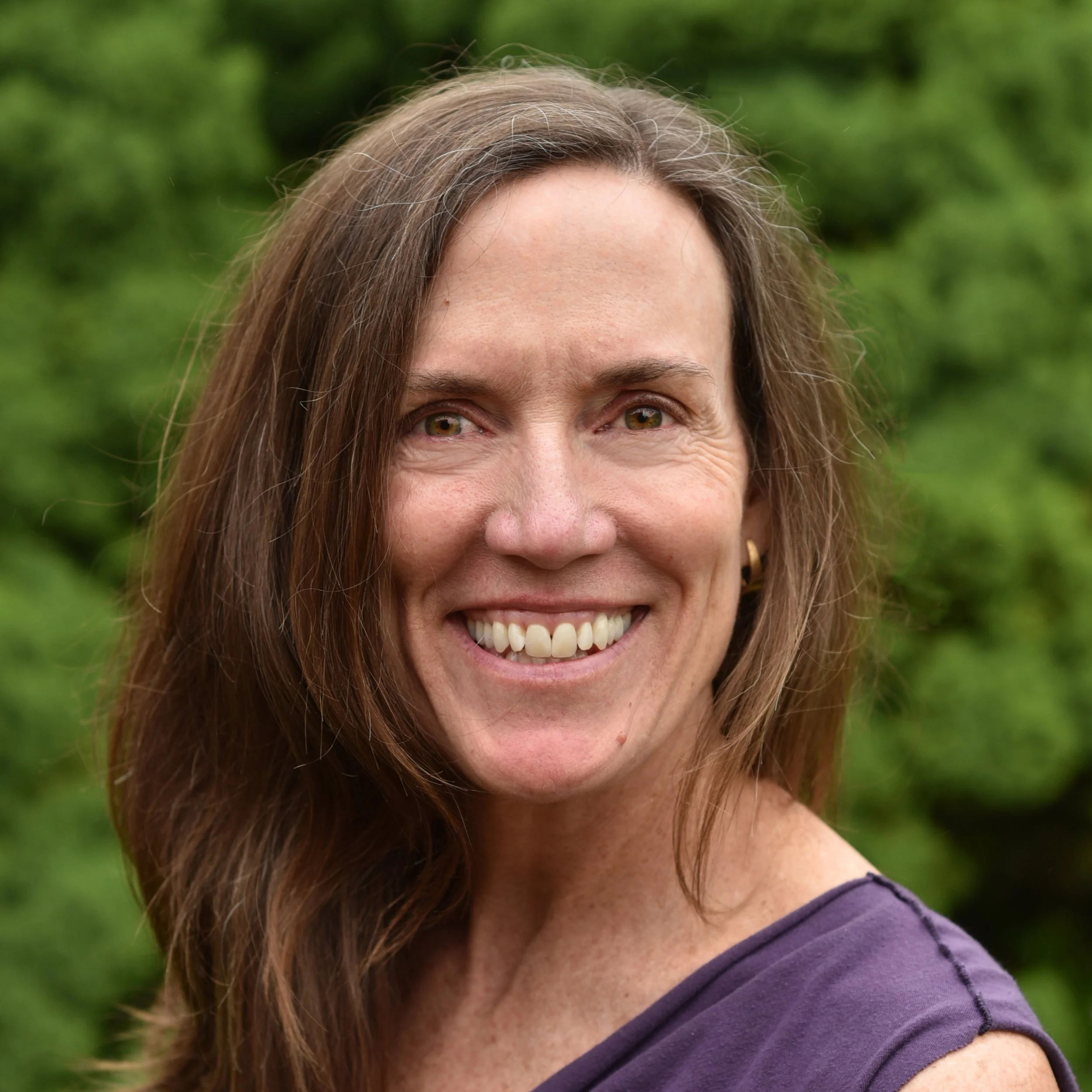
Karin Church, Upper Elementary Guide
B.A. University of California at Davis, French, International Relations
J.D. Boston University School of Law
AMI Montessori Elementary Certification, The Montessori Training Center of Minnesota
The Children's House experience: (2007 - present)
YCC Classroom Support, Elementary Classroom Support, Upper Elementary Guide
Living in the Traverse City area since 2005, Karin has greatly enjoyed spending time with her family at home and on the many stunning beaches and gorgeous trails available. Recent empty-nesters, she and Bill also love to visit their children at their respective colleges, garden, read and attend a variety of music and theatre performances at local venues.
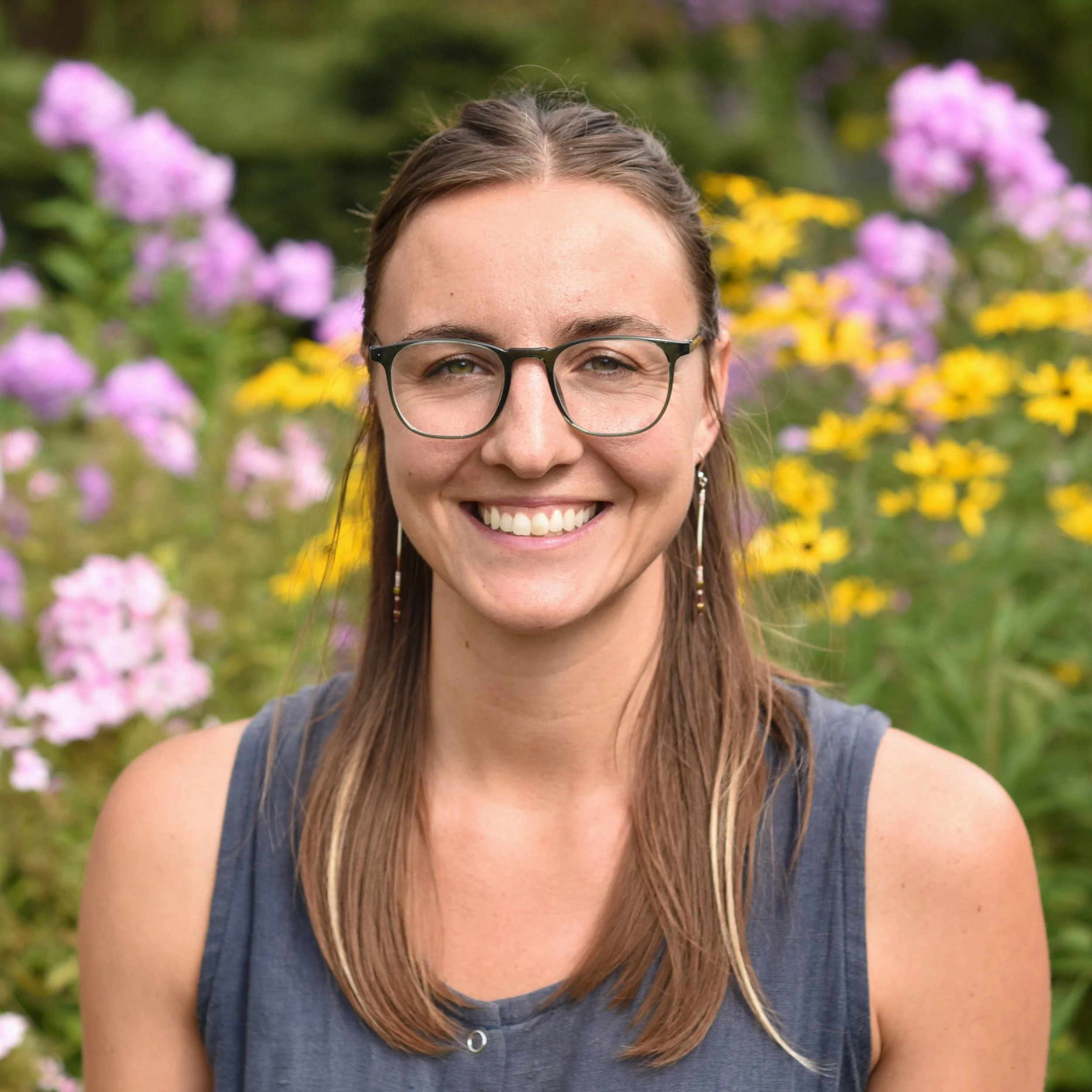
Jamie Schaub, Upper Elementary Guide
B.A. Kalamazoo College, psychology and art
Masters of Arts in Education, St. Catherine University
AMI Montessori Elementary Certification, The Montessori Training Center of Minnesota
The Children's House experience: (2012 - present)
Elementary Classroom Support, Elementary Classroom Guide
Jamie is a lifelong learner choosing to spend her moments working on art projects, reading books, gardening, canoeing and hiking. She lives in a home she built with her partner, Brenin in the woods with her dog Rue, and cat Pancho