Preparing Your Child for the Future
Why Montessori
As an educational approach, the central focus of the Montessori method is based on the individual strengths of each child. Dr. Maria Montessori’s vision of education inspires us. The Montessori approach is designed to help children with their task of inner construction as they grow from childhood to maturity. It succeeds because it draws its principles from the natural development of the child.
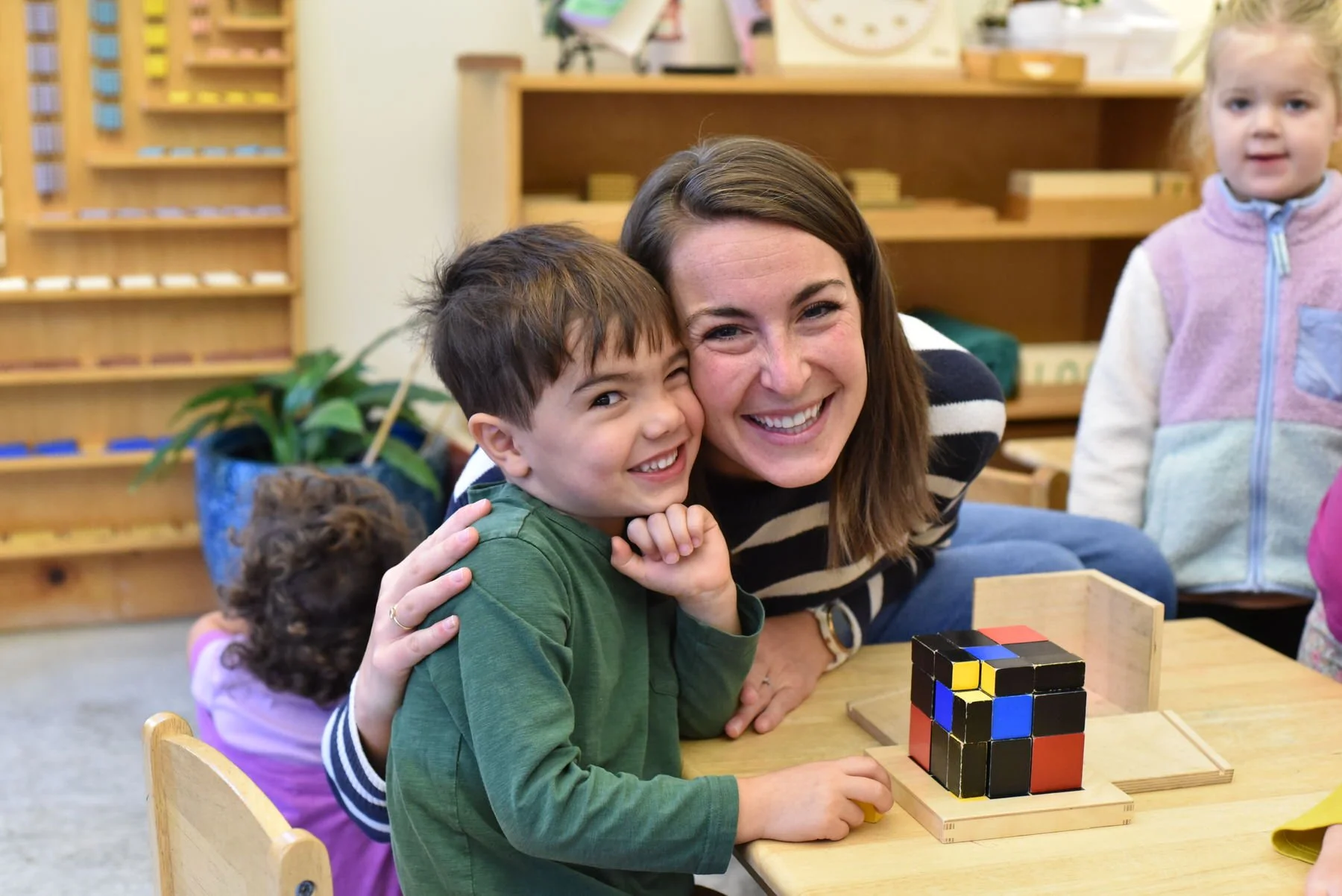
Montessori classrooms provide a prepared environment where the children’s innate passion for learning is encouraged through opportunities to engage in spontaneous, purposeful activities with the guidance of a Montessori-trained adults. Within a framework of order, the children progress at their own pace and rhythm, according to their individual capabilities.
Our classrooms bring to life Dr. Montessori’s comprehensive educational model and utilize the developmental learning materials she created to inspire students’ curiosity and to help them find answers. The Children’s House thoughtfully integrates current research in child development to support how children grow, learn, and thrive in today’s world.
The Montessori method of education is built upon these principles:

Each child is a unique learner, born with the fortitude needed to reach their fullest potential

Children learn with confidence when well-trained, thoughtful, loving adults offer them guidance with developmentally appropriate, beautiful interactive materials

With the necessary balance of guidance from the adult and freedom to explore in an orderly environment, children focus upon what they need to know and learn with joy
“We discovered that education is not something which the teacher does, but that it is a natural process which develops spontaneously in the human being. It is not acquired by listening to words, but by virtue of experiences in which the child acts on his environment. The teacher’s task is to prepare and arrange a series of motives for cultural activity in a special environment made for children. The role of the educator is to interest the child profoundly in an external activity to which he will give all his potential.”
- Dr. Maria Montessori, The Absorbent Mind

Academic and Nonacademic Outcomes of Montessori
In 2023, researchers published a comprehensive review of Montessori education because it “is the oldest and most widely implemented alternative education in the world, yet its effectiveness has not been clearly established.” The extensive scientific study concludes that “Montessori education has a meaningful and positive impact on child outcomes, both academic and nonacademic, relative to outcomes seen when using conventional educational methods.”
Randolph, John J., et al. “Montessori Education’s Impact on Academic and Nonacademic Outcomes: A Systematic Review.” Campbell Systematic Reviews, vol. 19, no. 3, 2023, https://doi.org/10.1002/cl2.1330 Accessed 19 Mar 2026.
Mental Health Benefits of Montessori
"Along with some of the more well-known practical benefits associated with Montessori education, there are also a host of mental health benefits. These include improved emotional stability, increased confidence, better cognitive function, and reduced stress and anxiety among children who attend Montessori schools."
Austin, Daryl. "The Surprising Health Benefits Of Montessori Education." Forbes, 18 February 2025, https://www.forbes.com/sites/darylaustin/2025/02/18/the-surprising-health-benefits-of-montessori-education
Accessed 28 Feb 2025.
Related Content
-
![]()
Our Alumni
At The Children’s House and Compass Montessori Junior High, we harness curiosity and discovery to inspire learning. As a result, our graduates are intrinsically motivated learners, critical thinkers, and strive for academic excellence.
-
![]()
Social Emotional Learning
True social and emotional learning happens every day in our classrooms. Social skills and independence are fostered from the very beginning. Our students learn how to be a part of an authentic, working community; resolve conflict peacefully; express and relate to their emotions; discover their strengths; lead and collaborate; advocate for themselves and others; and more.
-
![]()
Our People
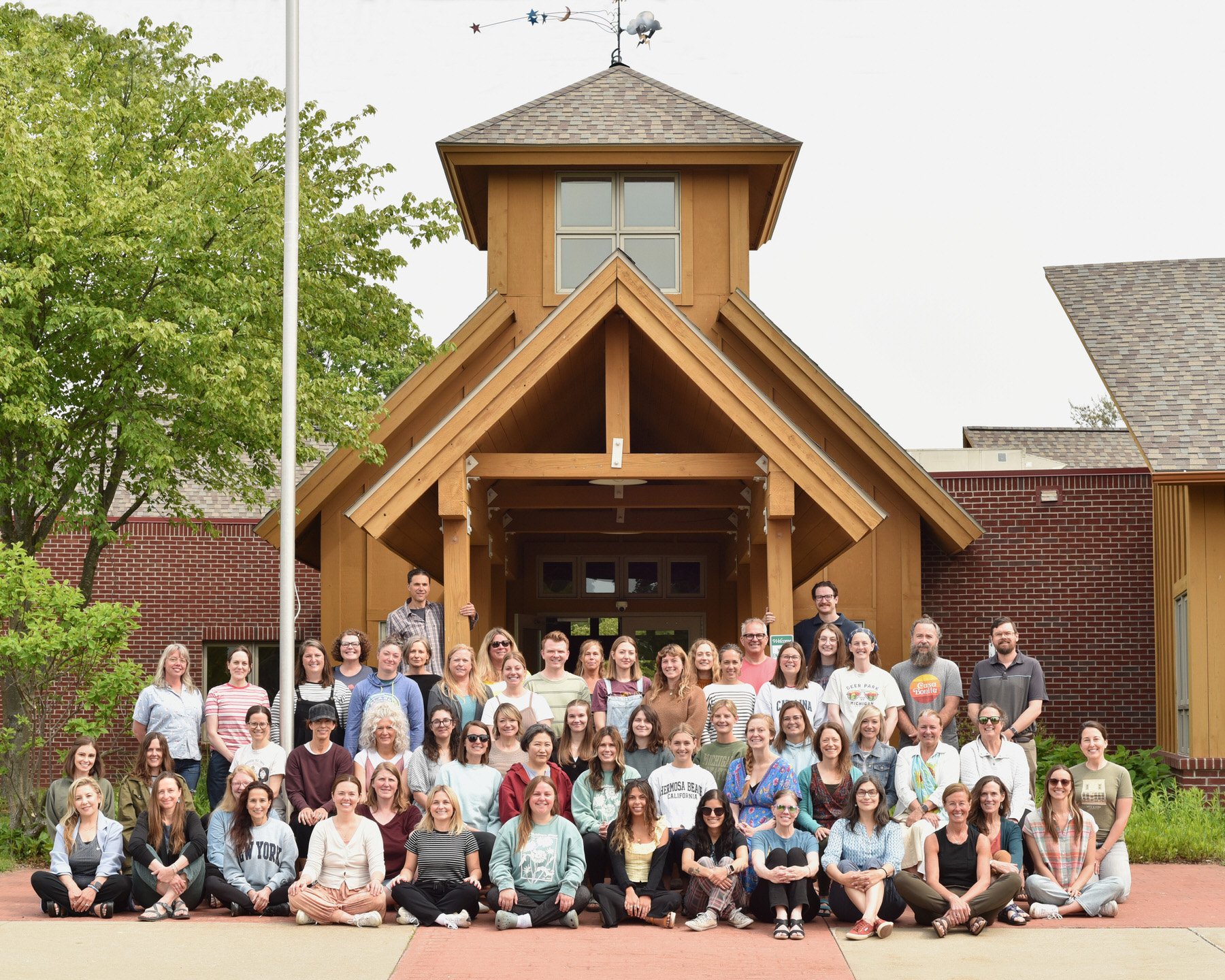
Being a prepared adult in a Montessori classroom is more than setting up materials and managing schedules. The adults in the classroom understand child development and know how to meet each child where they are. They act as a connection to the environment, observing each child’s interests and progress and fostering curiosity and a joy of learning through purposeful work.