
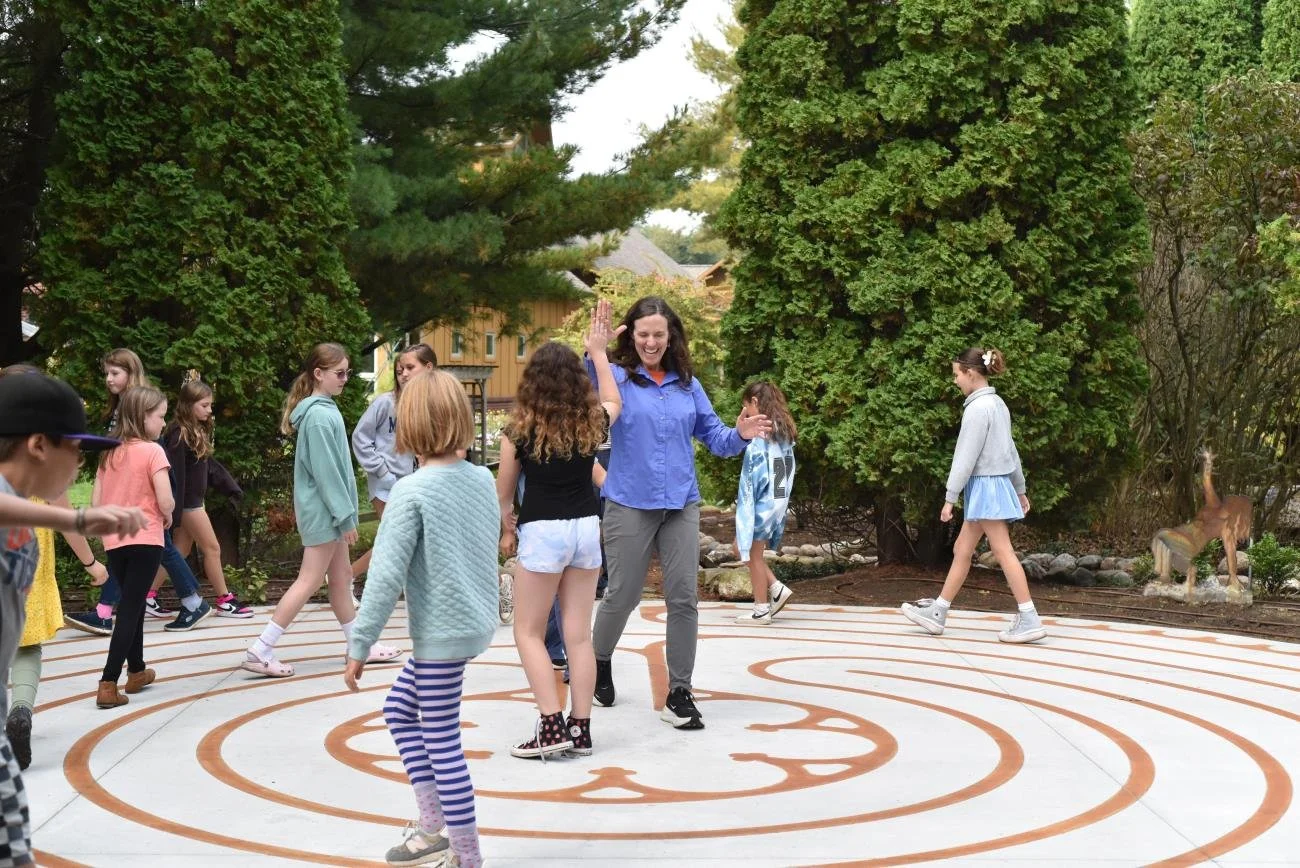
Our new labyrinth: A path to peace and discovery
We are excited about the new addition to our outdoor learning environment, a beautiful, winding labyrinth. This offers our students a designated space for meditation, reflection, and quiet moments in their busy school day and fits well with our new MindUP curriculum. It's a natural extension of our Montessori philosophy, which values a child's need for purposeful work and a connection to the natural world.
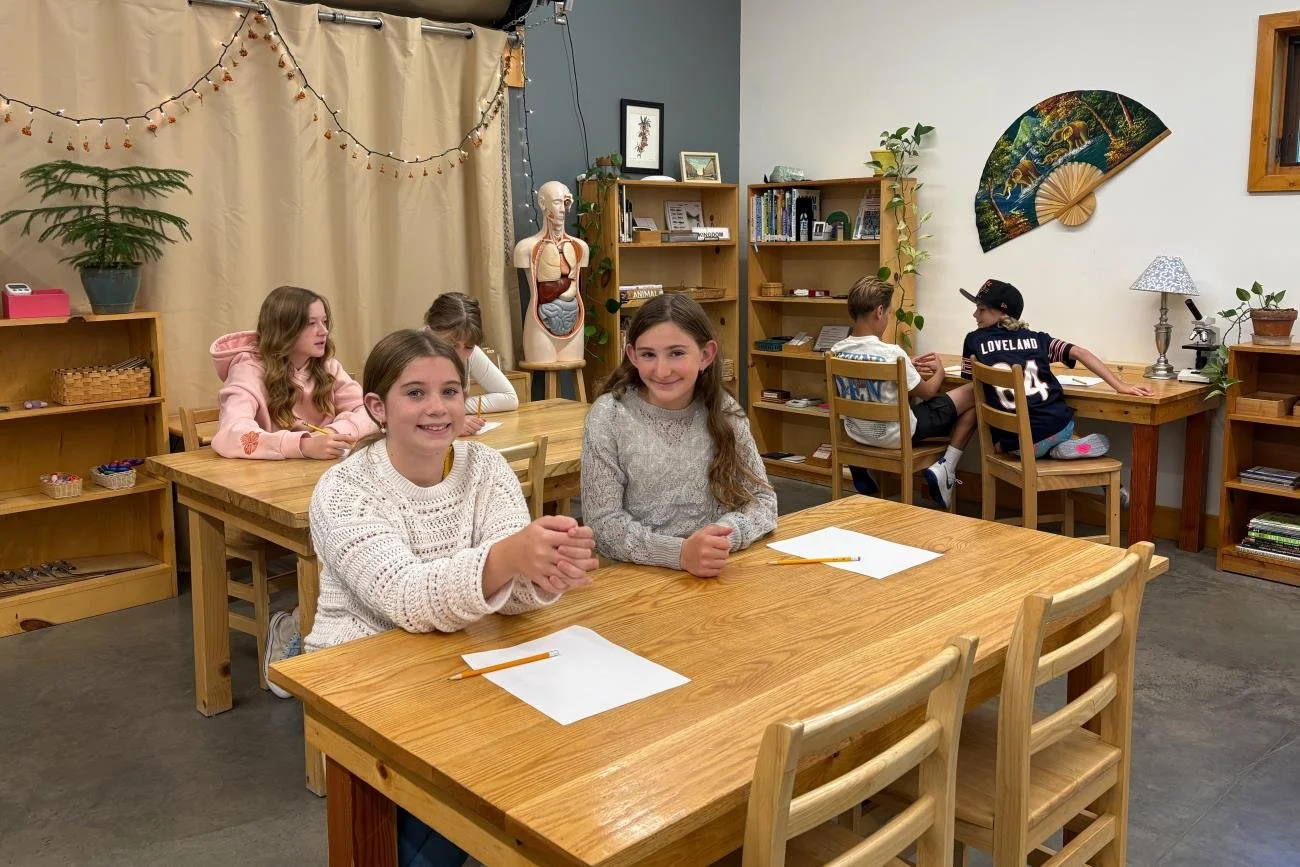
Montessori: the OG Social Emotional Learning Educational Model
Sit in a Montessori classroom at any level, and you will find a beautifully prepared and organic orchestration of children engaging with one another, concentrating independently on their chosen activity, or interacting in a small group lesson with their trained guide. If you think about how these environments function, you will quickly see social and emotional learning in plain sight.
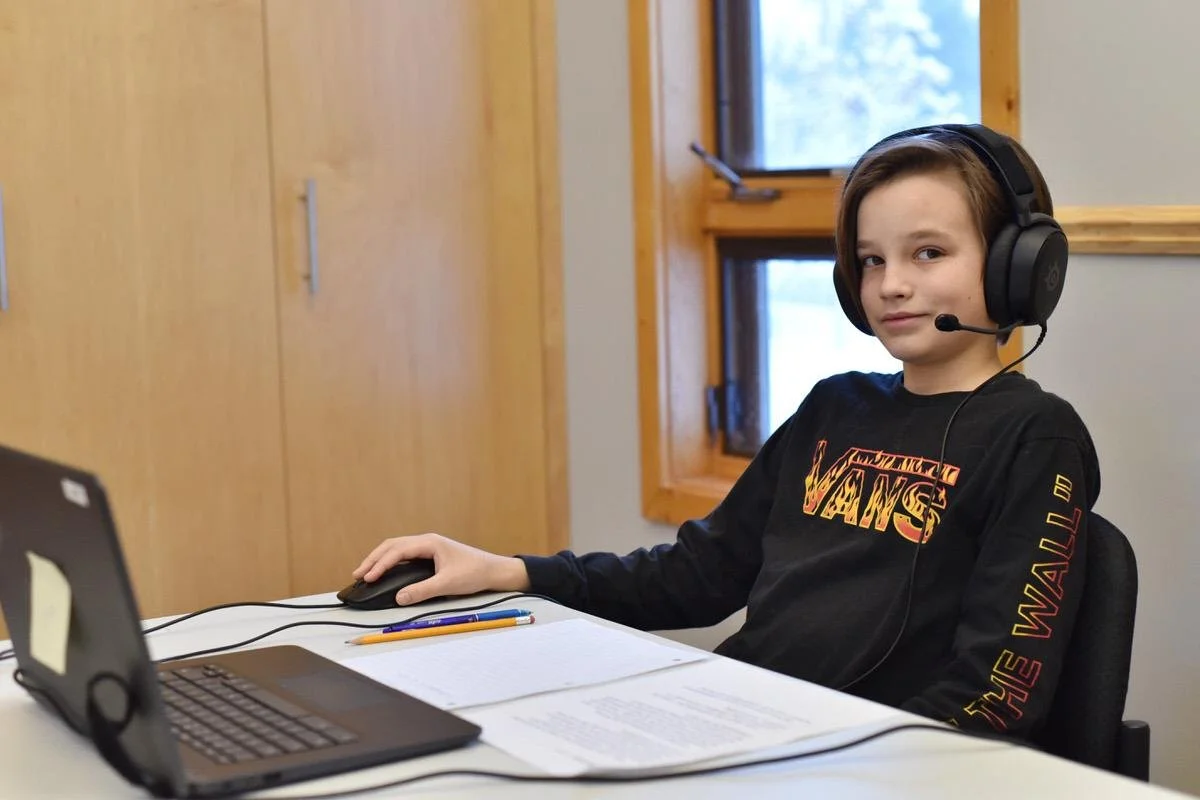
Safely navigating screen time, cell phones, and the digital world
Read below for some tips for parents, assembled by our Mental Health Consultant, Trisha Short, MA, LPC, IMH-E (II), on how we can protect our children from the hidden risks of overuse and ensure they develop a balanced, safe relationship with technology.
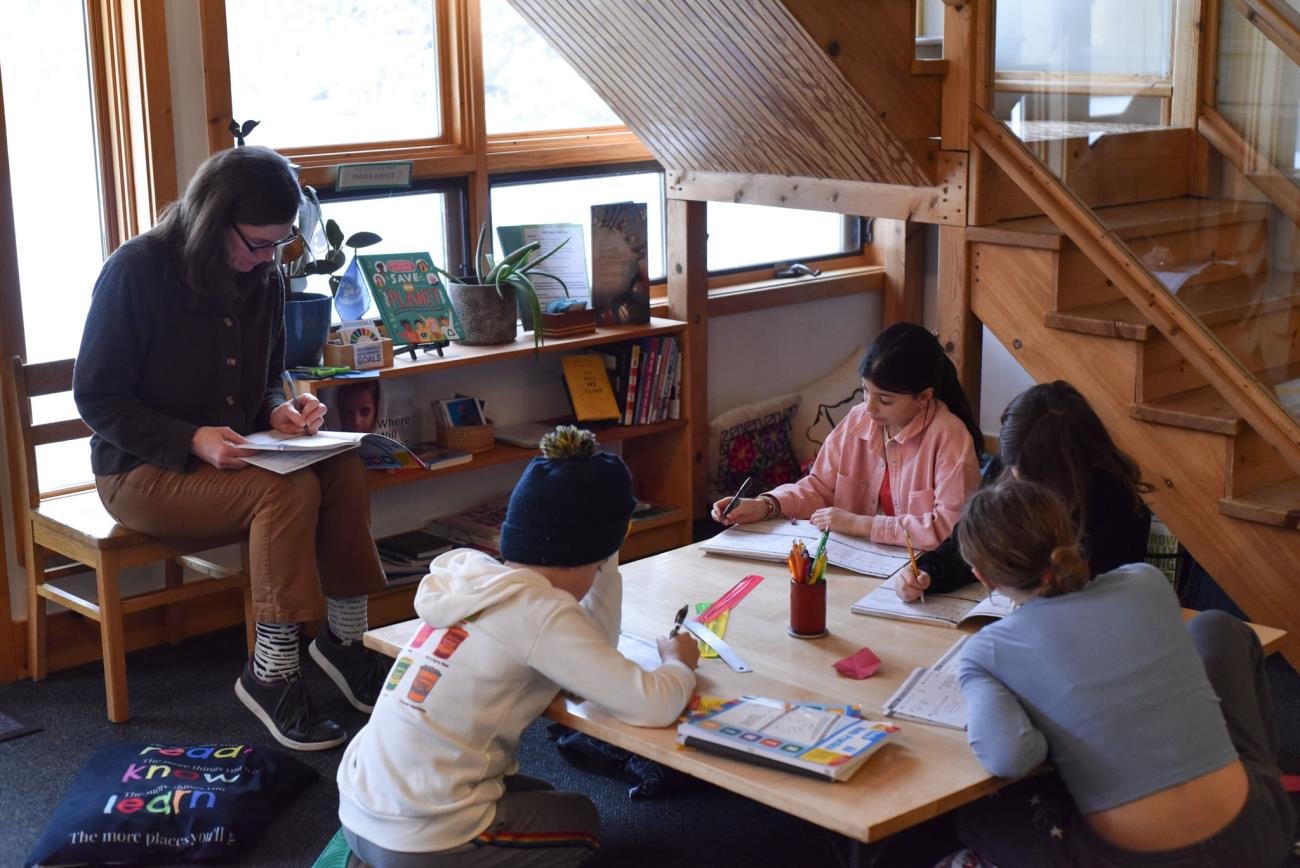
A Montessori Approach to Discipline
When sharing with friends or relatives that your child attends a Montessori school, you may have fielded the question, “They get to do whatever they want, don’t they?” This misperception of the concept of freedom with responsibility also invokes a more traditional definition and expectation of what discipline looks like at school.
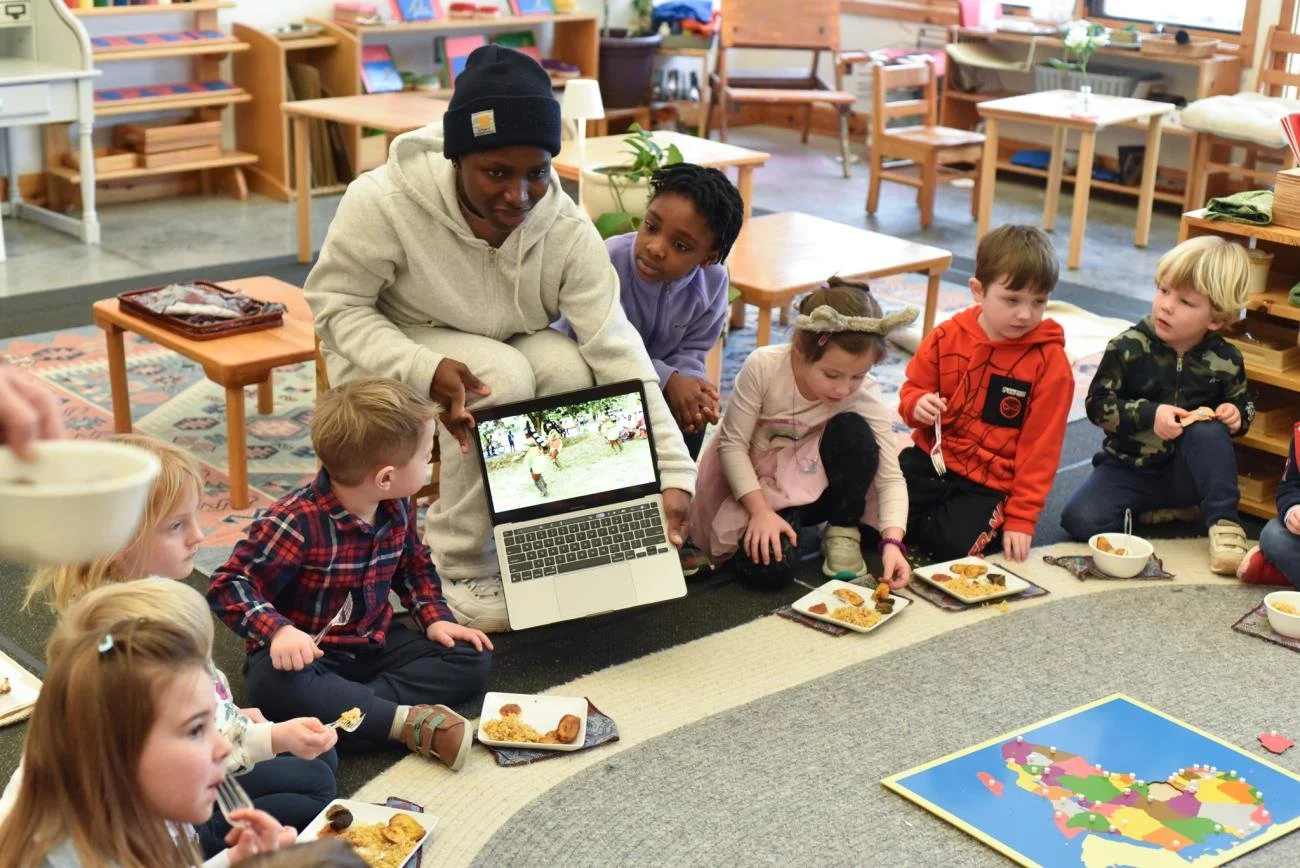
Incorporating Diversity into the Montessori Classroom
“The needs of mankind are universal. Our means of meeting them create the richness and diversity of the planet. The Montessori child should come to relish the texture of that diversity”
- Maria Montessori
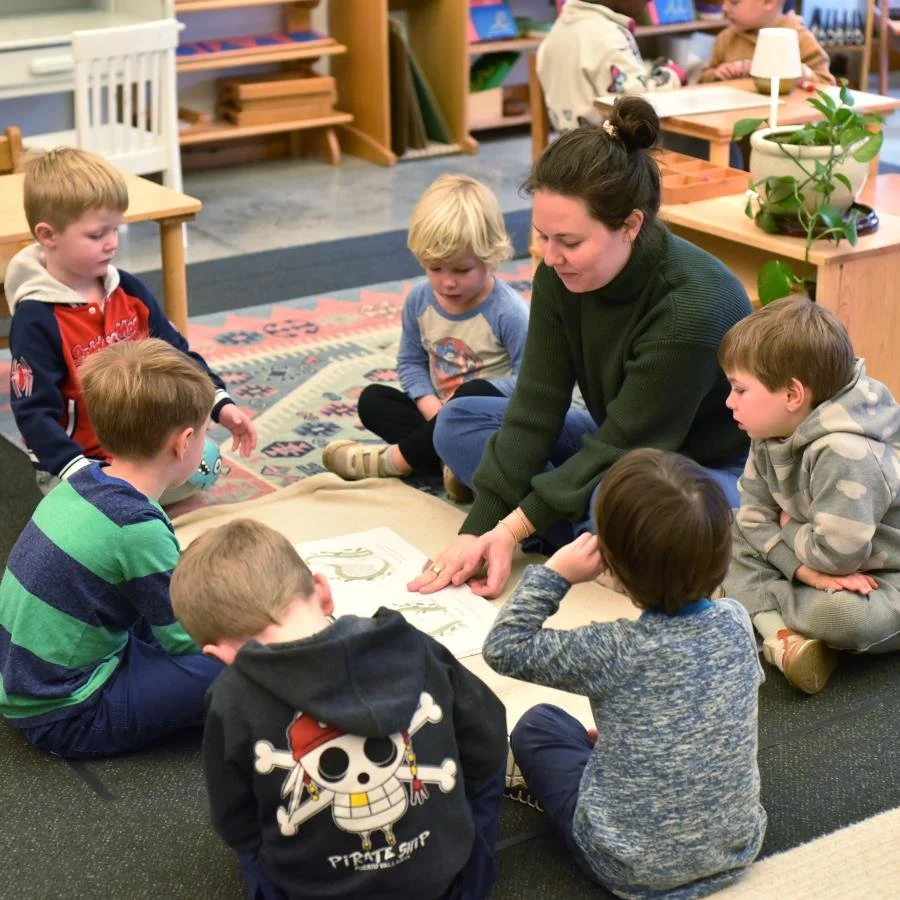
The Power of Social Stories
Can you think of a time when your child was in a full-blown state of dysregulation? Have you ever found yourself trying to reason with them in that moment and then become frazzled yourself because they are not open to hearing you? Research today tells us that when any human is experiencing this level of heightened emotion, parts of the brain responsible for reasoning become inaccessible.
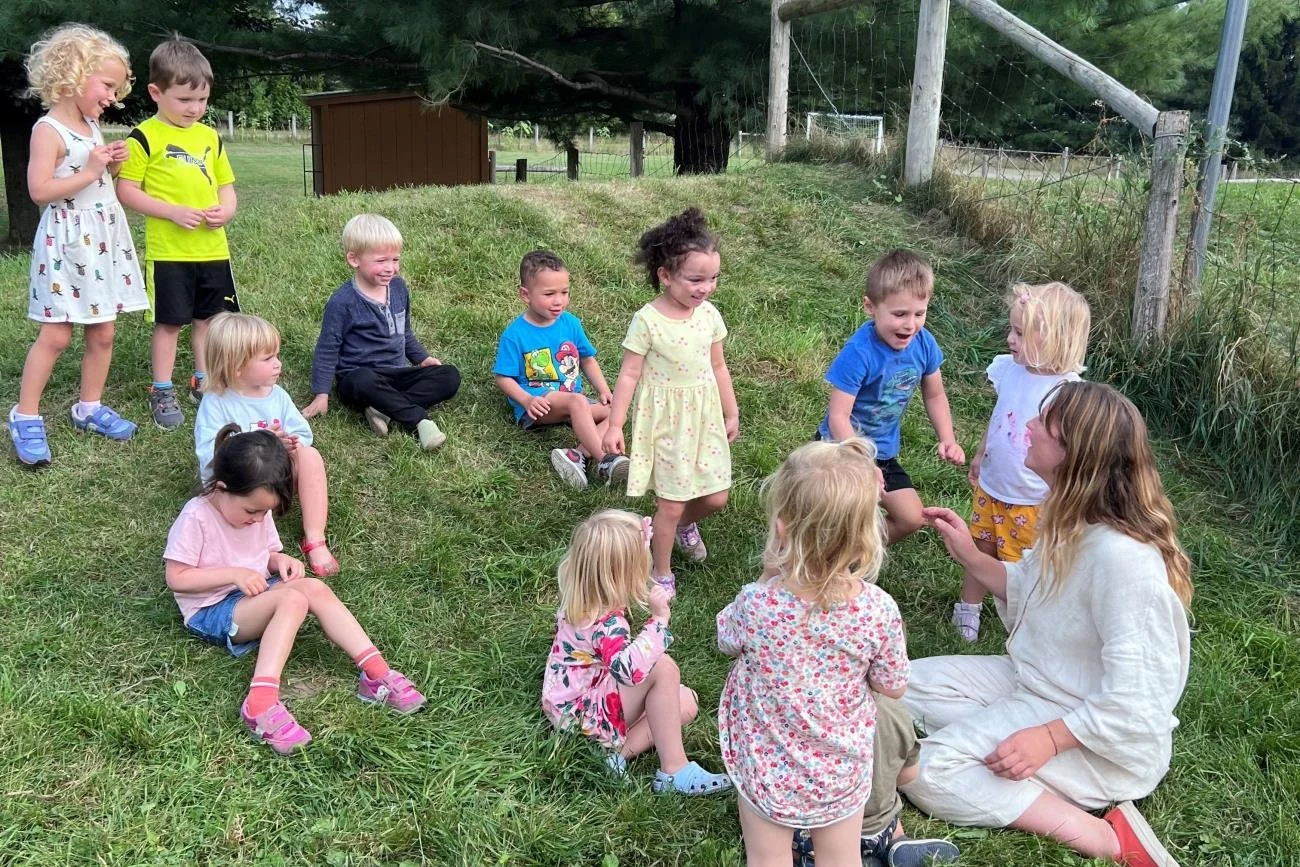
How to Talk to Your Children About School
One of the wonderful things about sending your children to school is that they get to experience a whole world outside of their lives at home. They are experiencing what it’s like to be a part of their school’s community, make friends, connect with the adults, and change and grow as individuals. As parents, we understand the importance of our children having these experiences on their own, but we also want to know about what goes on during their time away from us.
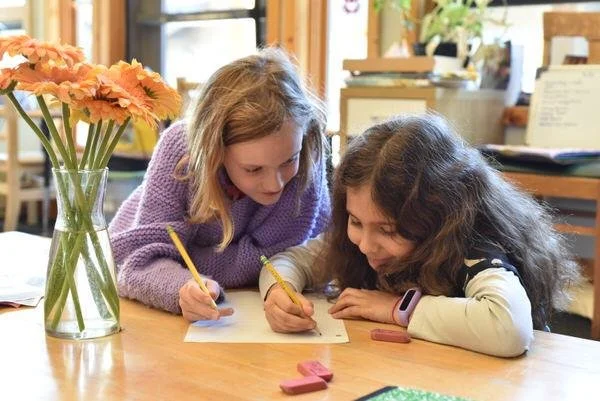
Social and Emotional Learning
As I sat in a Lower Elementary classroom observing during the morning work cycle, three children surrounded a rug working on a math material.
“It is my turn to move the beads on the bead frame,” one student says.
“No you went last time, it’s my turn,” says another.
Fostering a Positive Relationship with Mealtimes
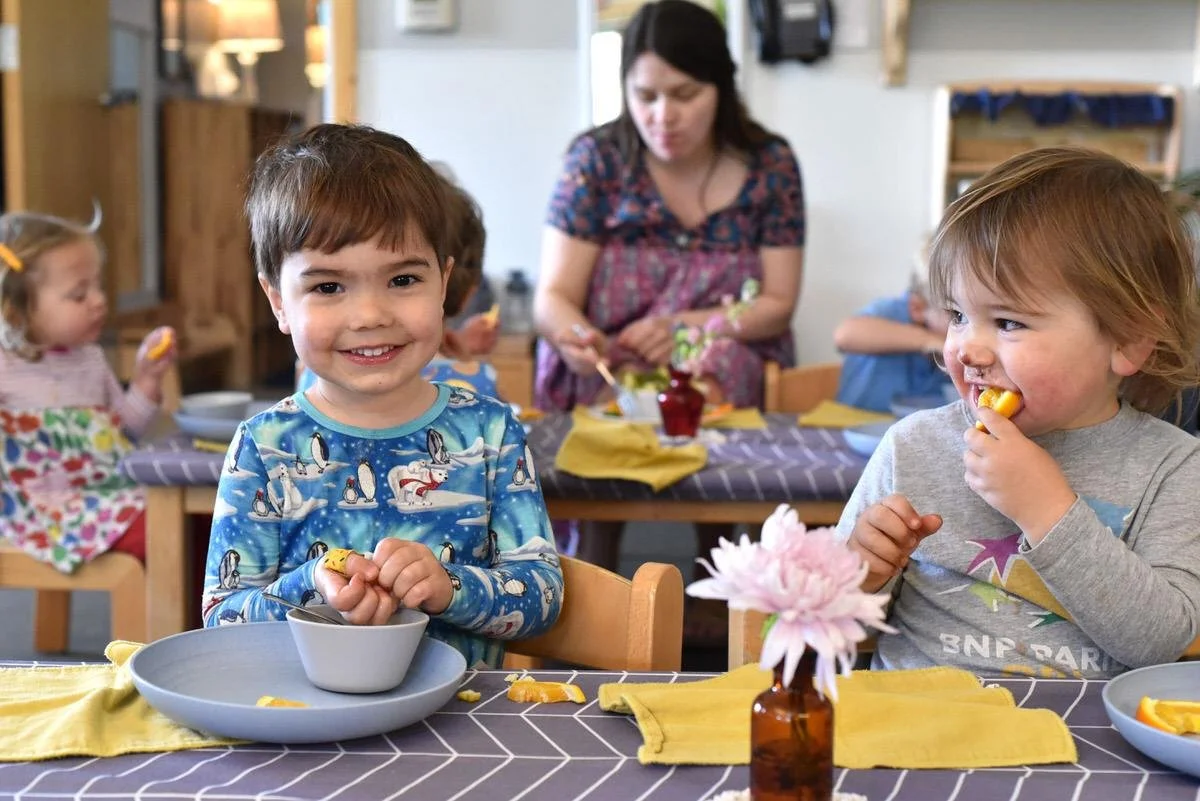
If you have spent any time with small children, you have likely experienced a not-so-pleasant mealtime. Perhaps your child refused to eat, threw food, or completely melted down at the table. Mealtimes can be stressful and overwhelming. While I don’t expect this blog post to eliminate power struggles at the table, I do think there are a few things to implement that can support your child’s relationship with food and improve your family’s experience around mealtimes.
Putting The Brakes on Screen Time
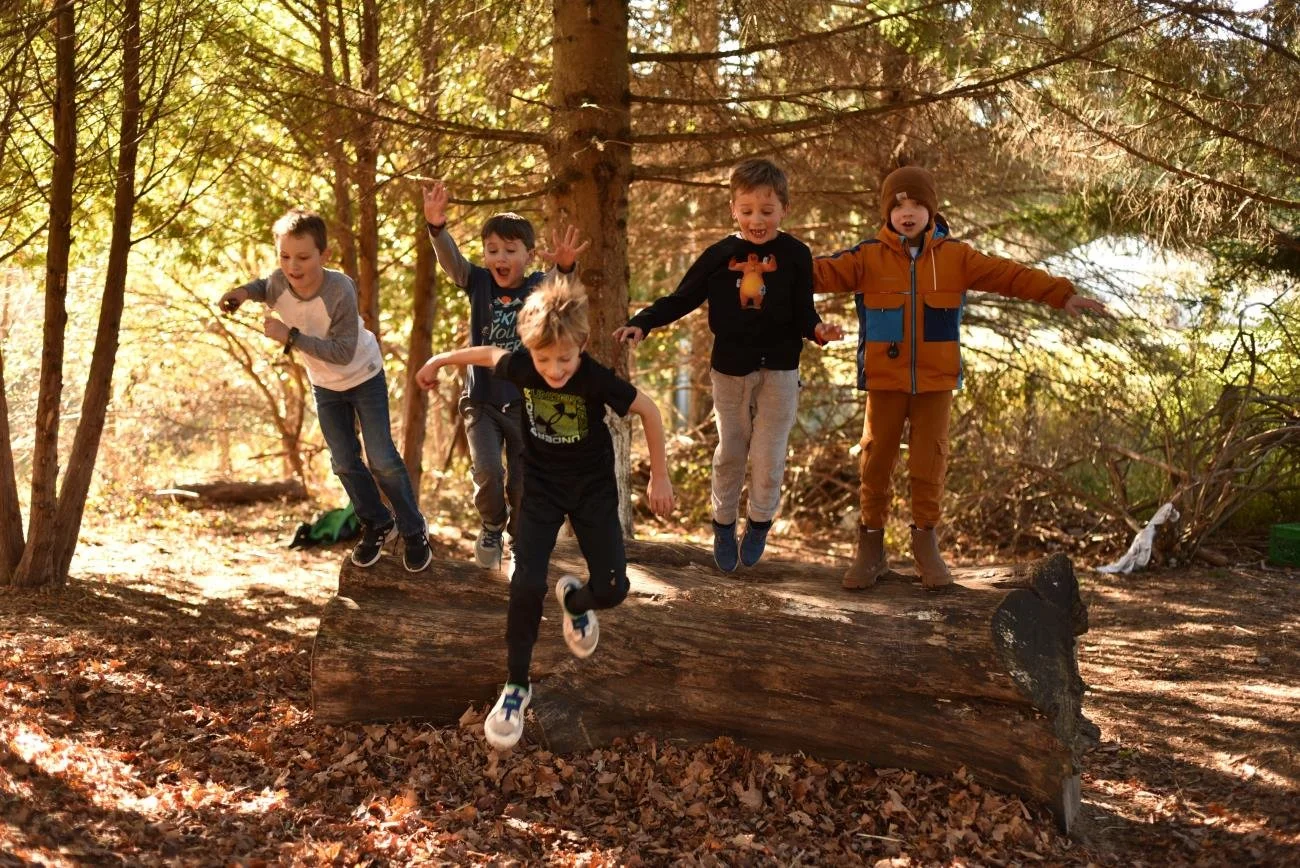
A few months back, Alison Breithaupt wrote a blog post on The Evolution of Guiding, in which she shared her observations of children, throughout her career. At one point, Alison discussed the effects of technology on our children and how important it is for children to make sense of their worlds through real-life experiences and limiting access to screens. Does the mere mention of this cause you some anxiety, stress, and worry? Well, I am here to say I am right there with you! This blog post is an honest recount of our family’s journey through excessive screen time, a diagnosis of ADHD, and the shift to a screen-free childhood.
Learning Through Joyful Discovery
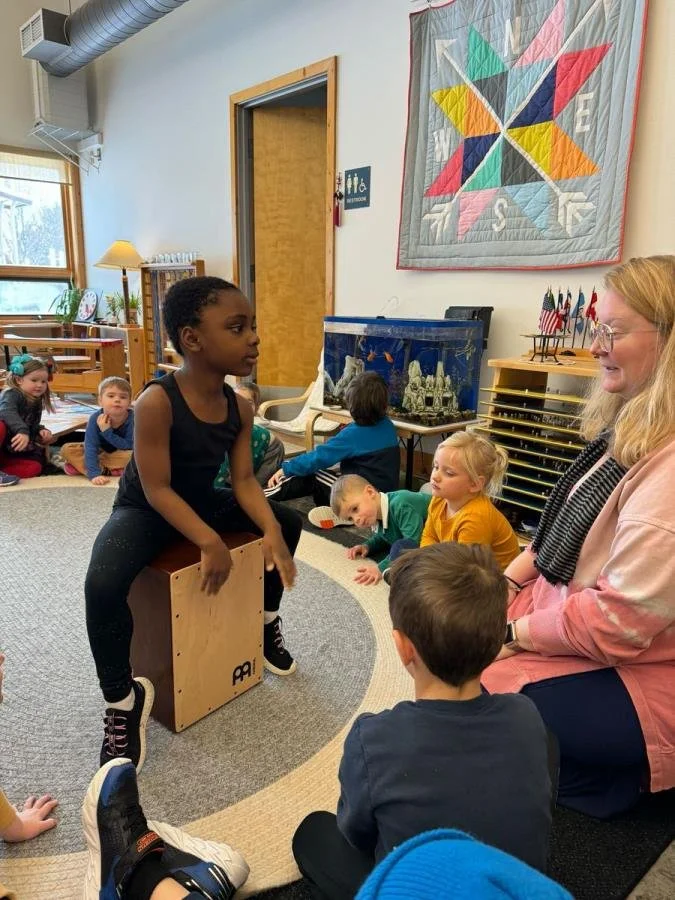
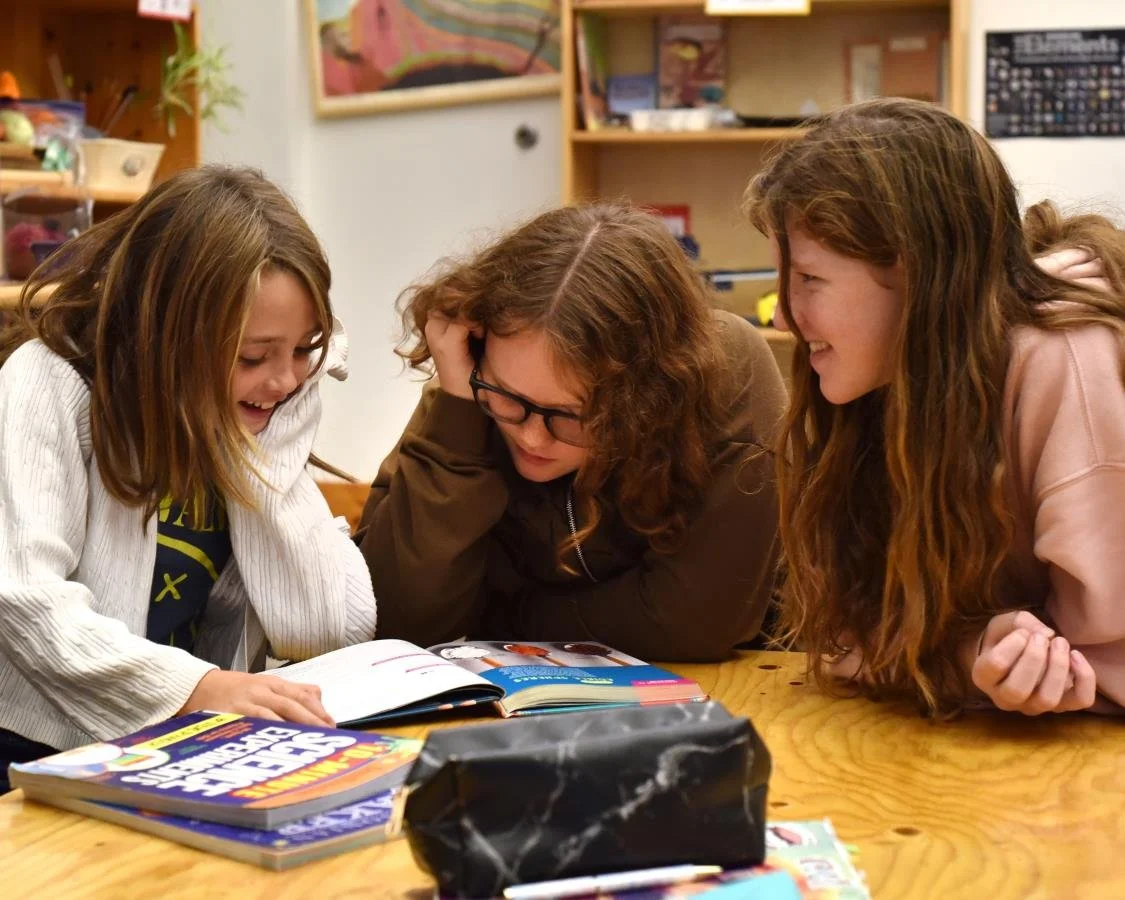
As Montessori teachers, we are trained to anchor our service to the child in the foundational principle that education should be an “aid to life.” To achieve this lofty, yet practical goal, we strive to foster the development of lifelong learners through the joyful discovery of specific skills and concepts, the wonders of the expanding world around them, and what matters to them and what type of person they want to be.
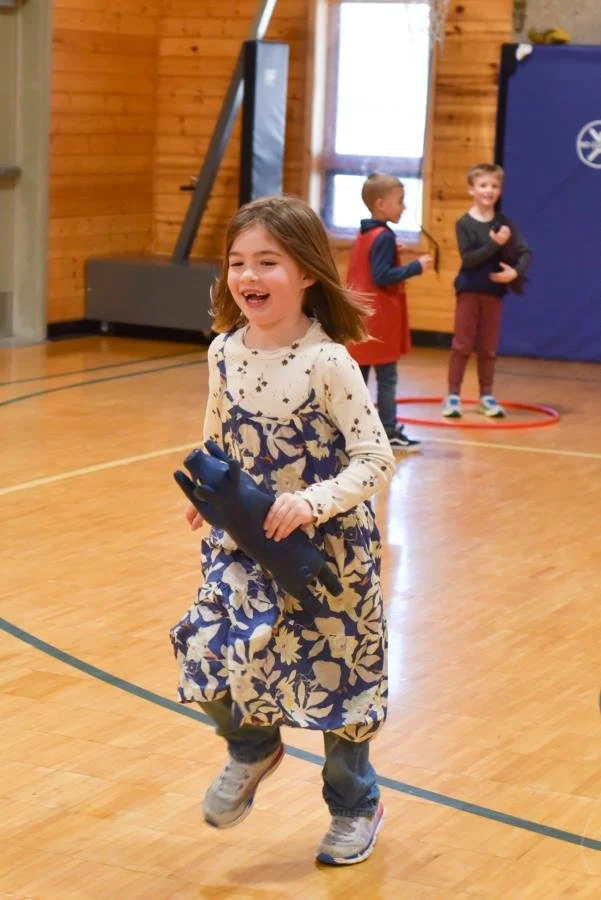
Movement and Mindfulness
Maria Montessori said, “Play is the work of the child”. When children are allowed to learn through play they can satisfy their curiosity about the world, learn, and have fun all at the same time.
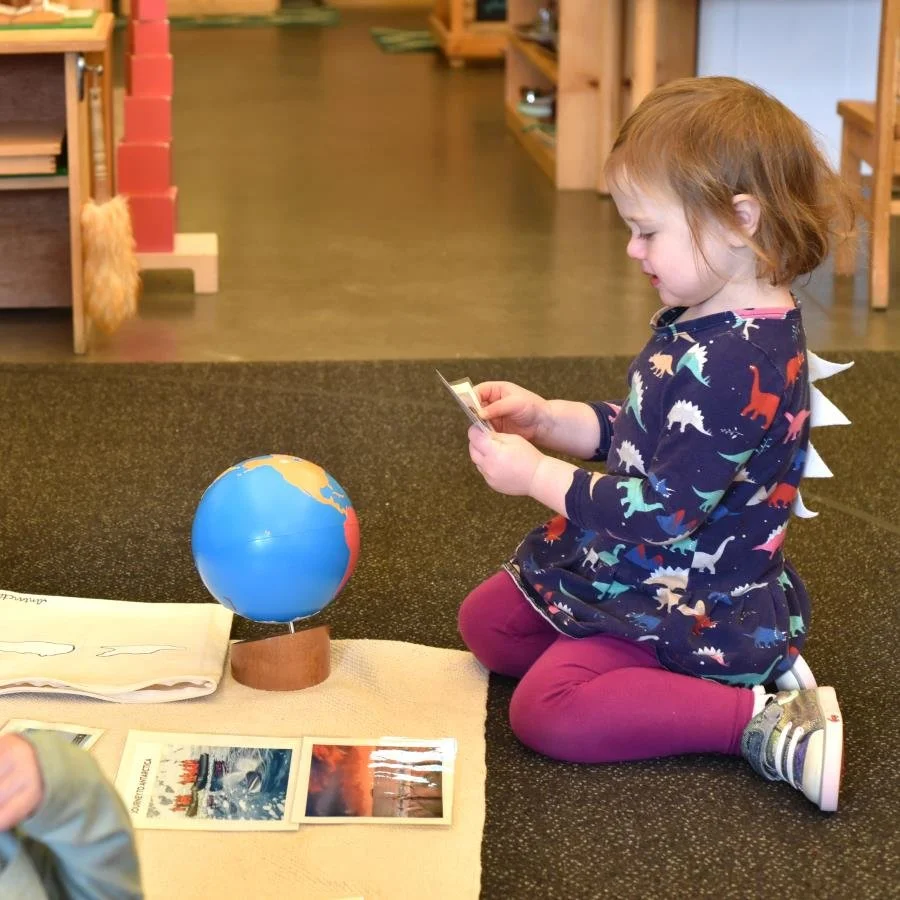
Diversity, Equity, Inclusion, and Belonging at the Children's House
Dr. Maria Montessori believed in the value and worth of every child from the beginning of developing her pedagogical model for education. In Montessori schools, community is based on the assumption that every human being has value, gifts, and contributions to make. Classrooms are carefully prepared to promote inclusion, collaboration, valuing the perspective of others, and fostering a strong sense of self-worth.
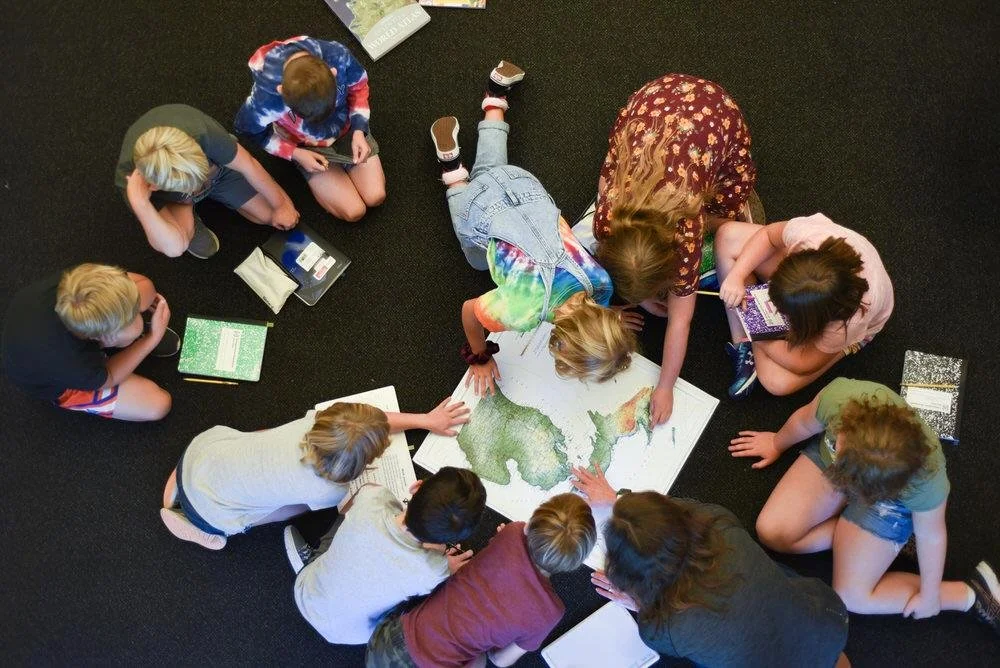
Role of the Guide
Why do Montessori schools use the term “guide” instead of “teacher” and how is a guide’s role different from what may be expected of a traditional teacher? Word choice matters and helps all of us in the role of guide stay true to our training and the children’s needs. One definition of “to teach” is “to impart knowledge,” whereas “to guide” can be defined as “to show the way.” From the child’s perspective, a difference between approaches may be perceived as either being given all the answers or being shown how to find your own.
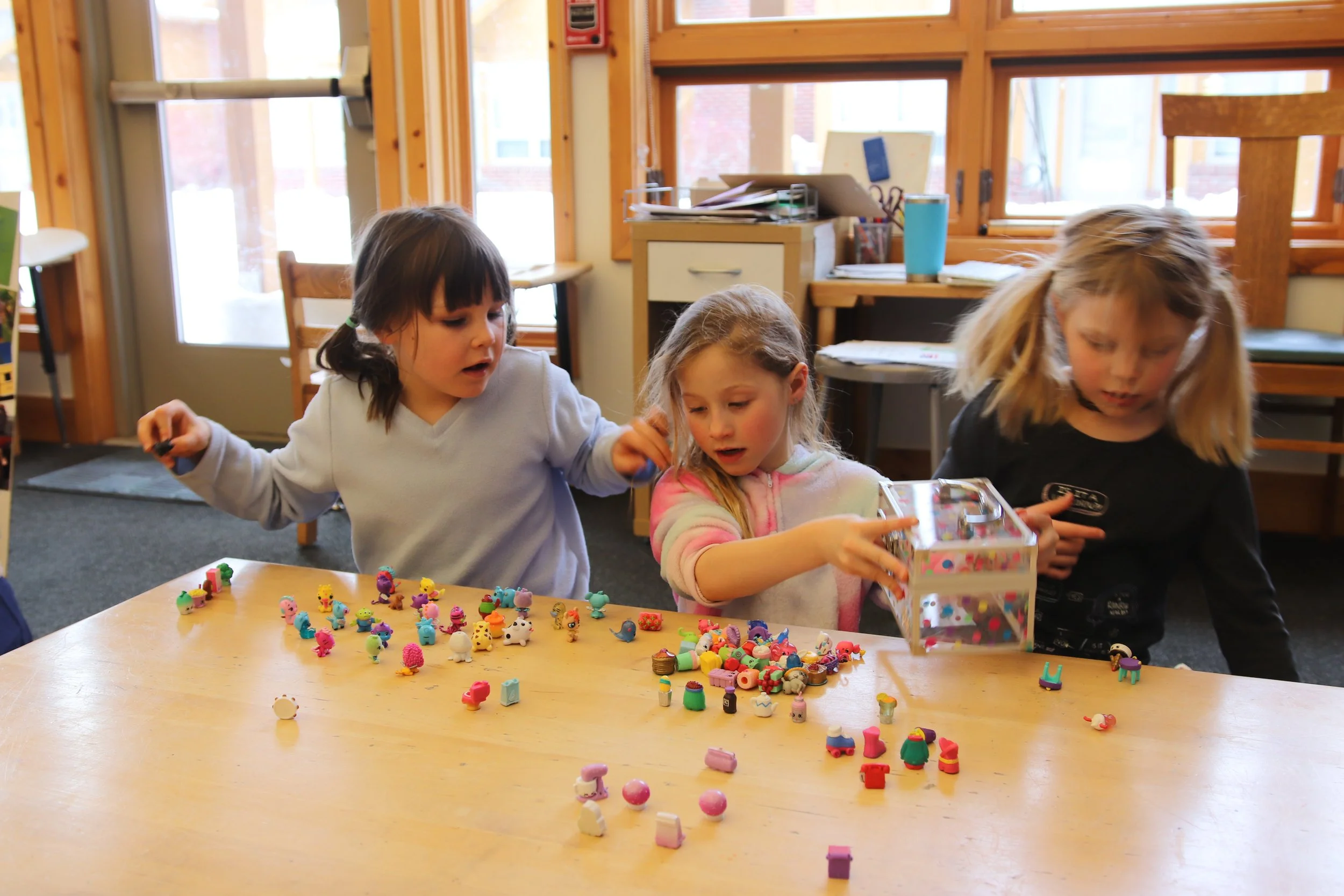
Social Emotional Learning
In November 2019, Megan Andrews, Karin Church, and I attended a professional development workshop with Marc Brackett, founder and director of the Yale Center for Emotional Intelligence. The day reminded us of the importance of emotional intelligence and provided us with new ways to help our students learn about their emotions. We know that emotions impact learning and were reminded that there are no bad emotions and that emotions provide information.
Digital Technology is Here to Stay
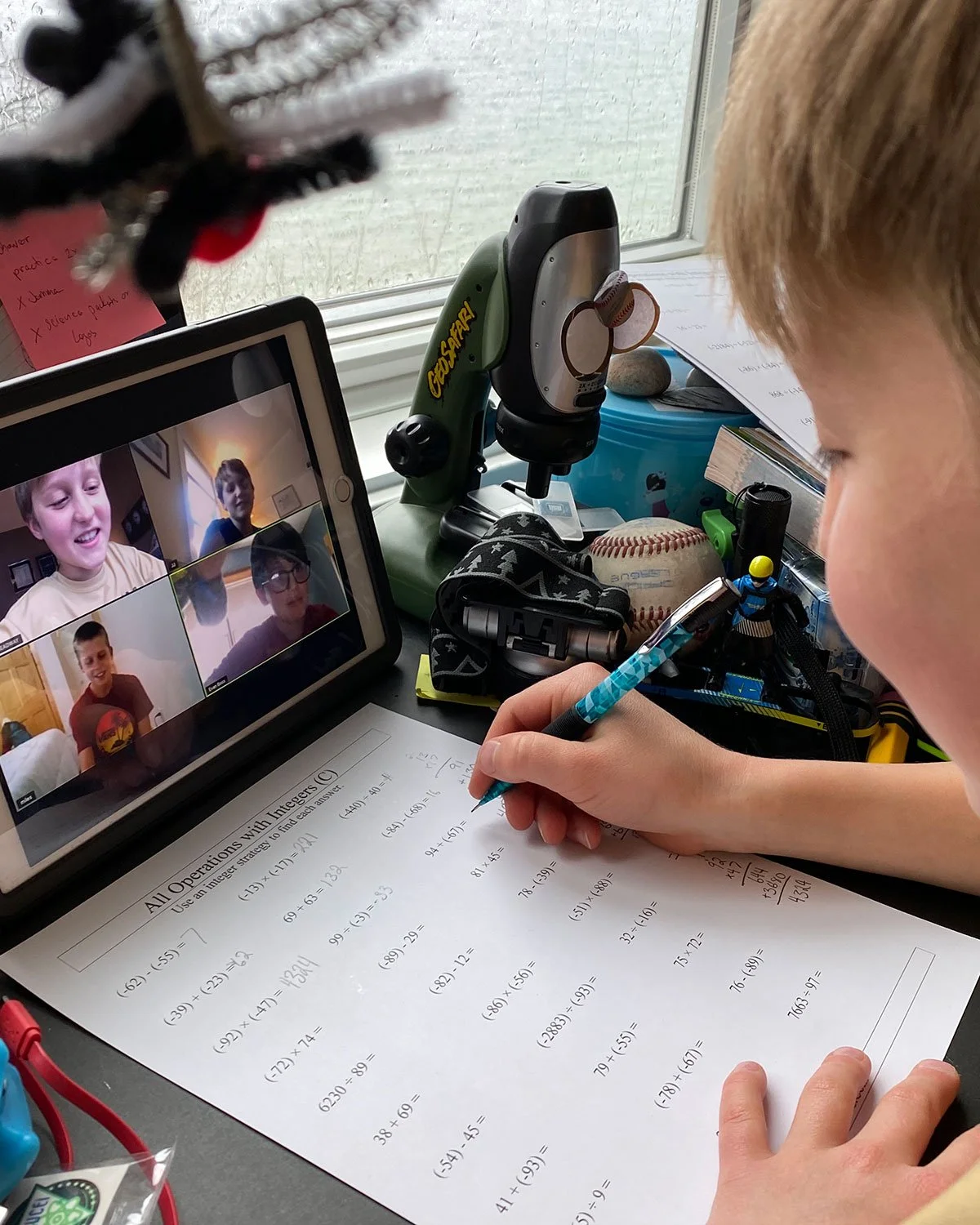
Over the years, we have hosted several discussions on the topic of child development and digital technology. I continue to be interested in the topic and have recently read books by Nir Eyal and Anya Kamenetz.
The Greatest Gift
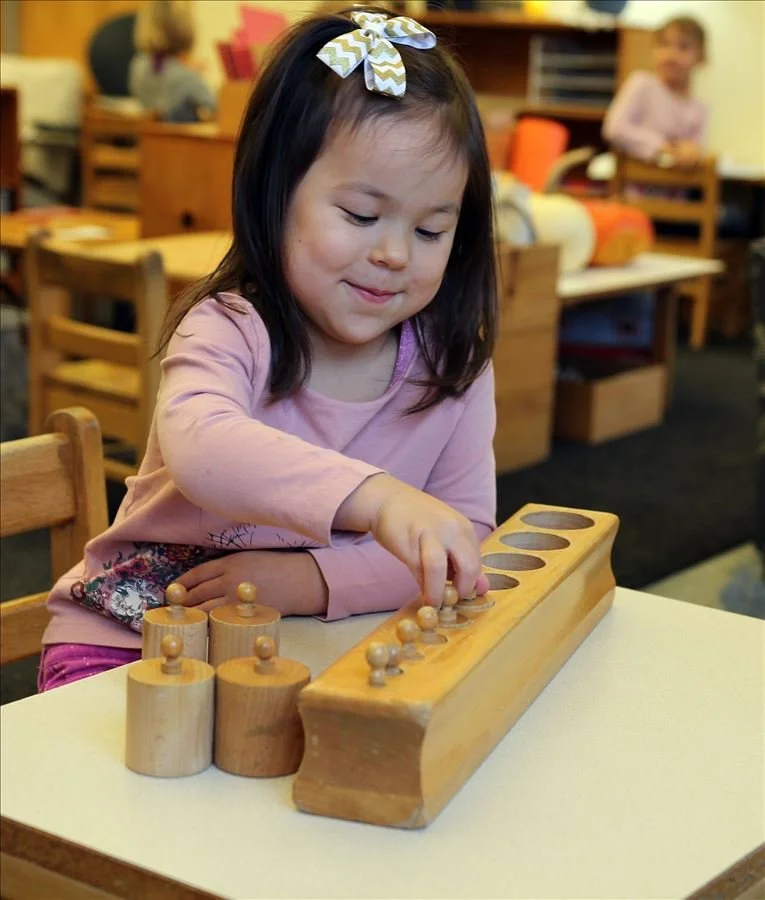
Think back to a time when you were a child, passionate about learning something new. Whether it was experimenting with new words, creating art, riding a bike, or how a science experiment worked, it is likely that you practiced repeatedly to a point of great satisfaction. By continuing to have interest and engage in the activity, you mastered the skill without even knowing you were working hard to learn.