
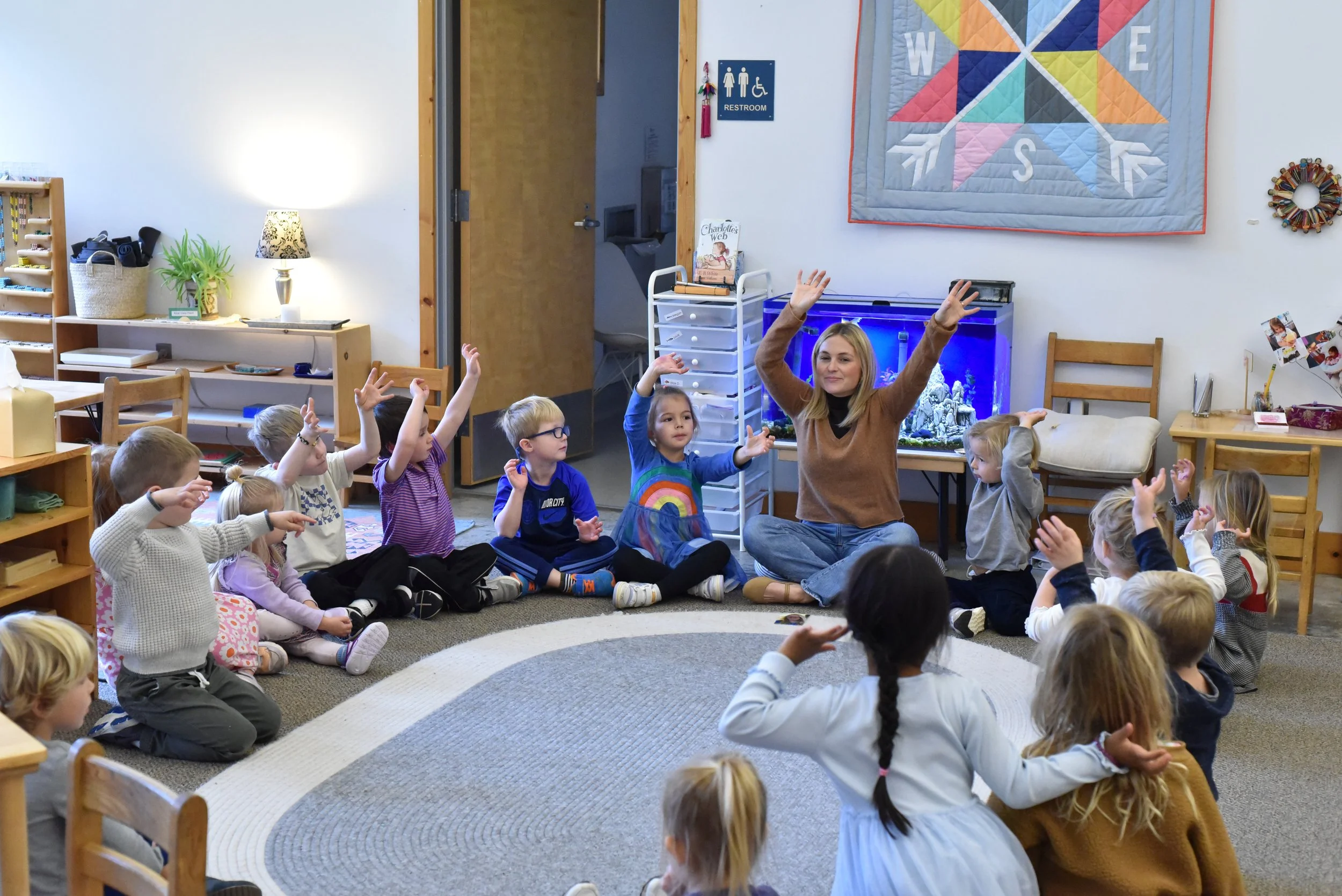
Growing Together
When I think about The Children’s House, one simple truth comes to mind: this place is me. I was a Montessori child. Like so many of our students, I had the freedom to move, to ask questions, and to explore things deeply without someone rushing me to the “right” answer.
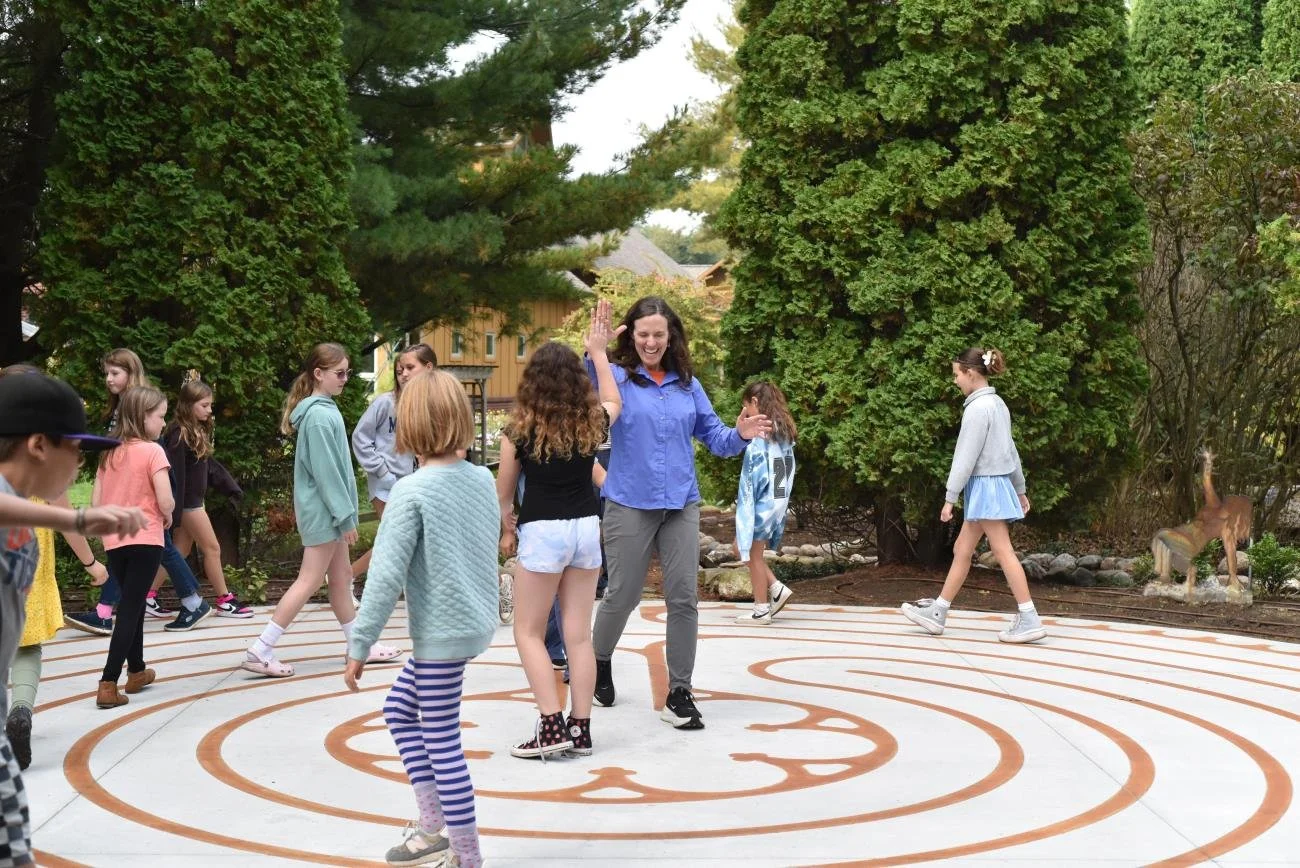
Our new labyrinth: A path to peace and discovery
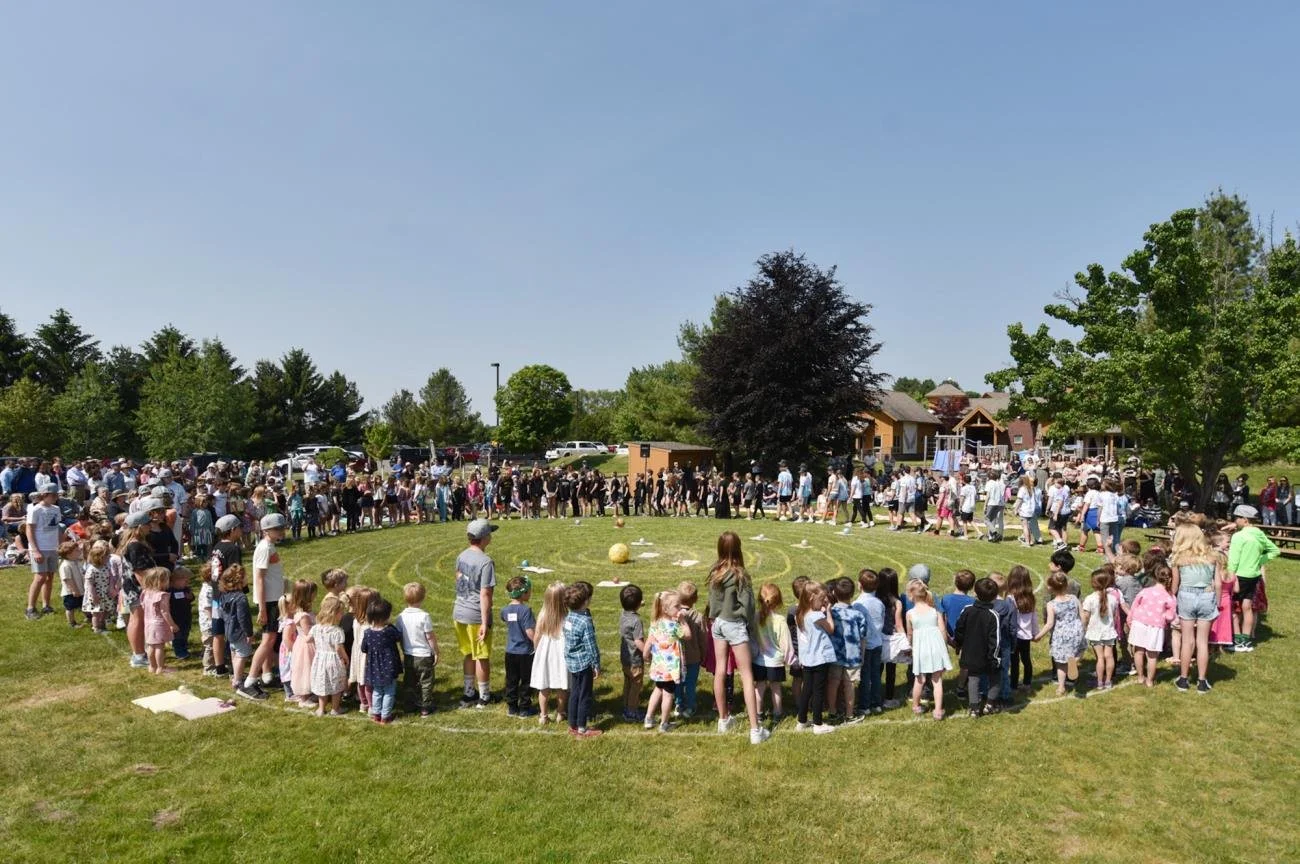
We are excited about the new addition to our outdoor learning environment, a beautiful, winding labyrinth. This offers our students a designated space for meditation, reflection, and quiet moments in their busy school day and fits well with our new MindUP curriculum. It's a natural extension of our Montessori philosophy, which values a child's need for purposeful work and a connection to the natural world.
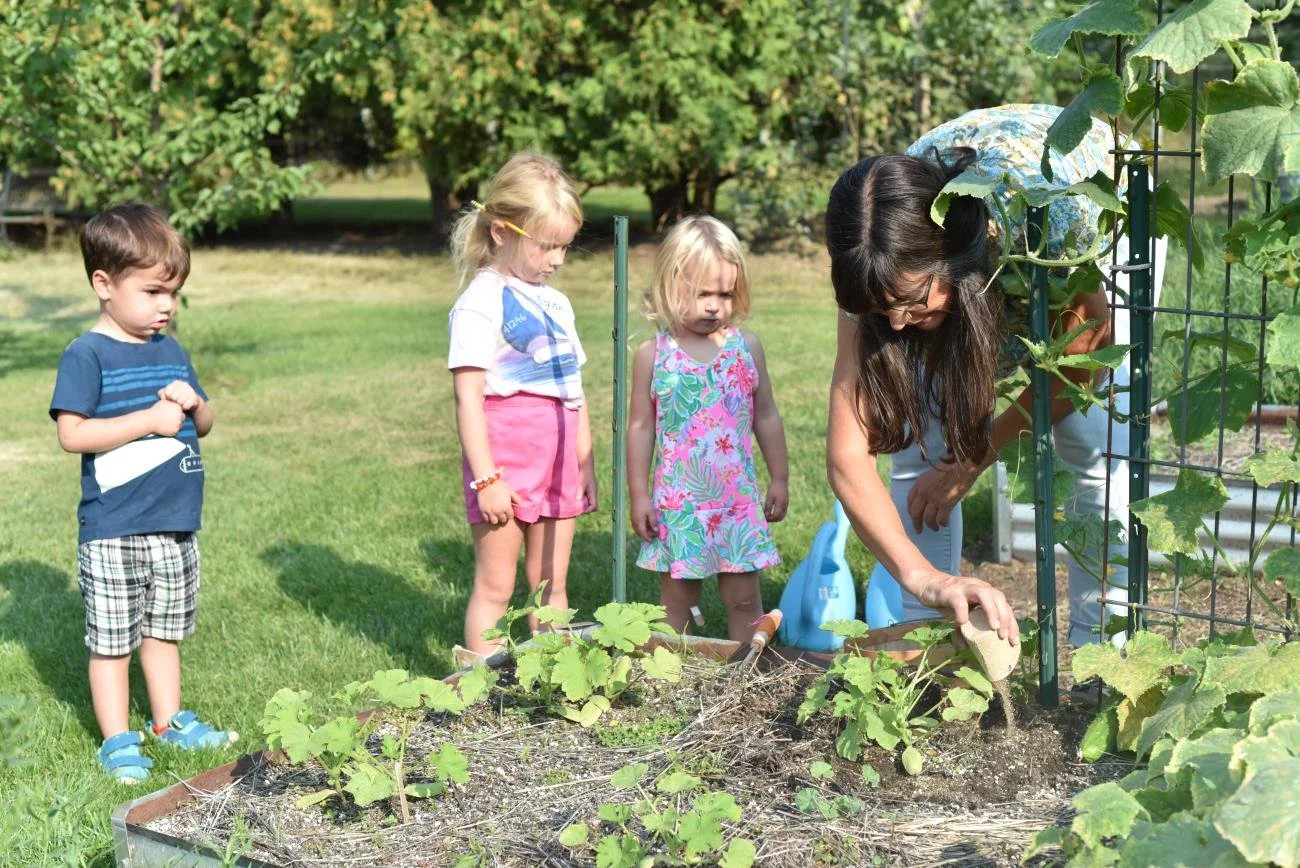
From the Garden to the Kitchen: How growing food helps us reach our full potential
I recently had a parent ask me about our food program; the “why” behind what we do. I found myself desperate to tell her about what we do now, what we want to do in the future, and most of all, the reason we have a food program in the first place. Since I live daily with the thoughts of how to make our food program better, more local, more delicious, and more of an experience that inspires our learners…
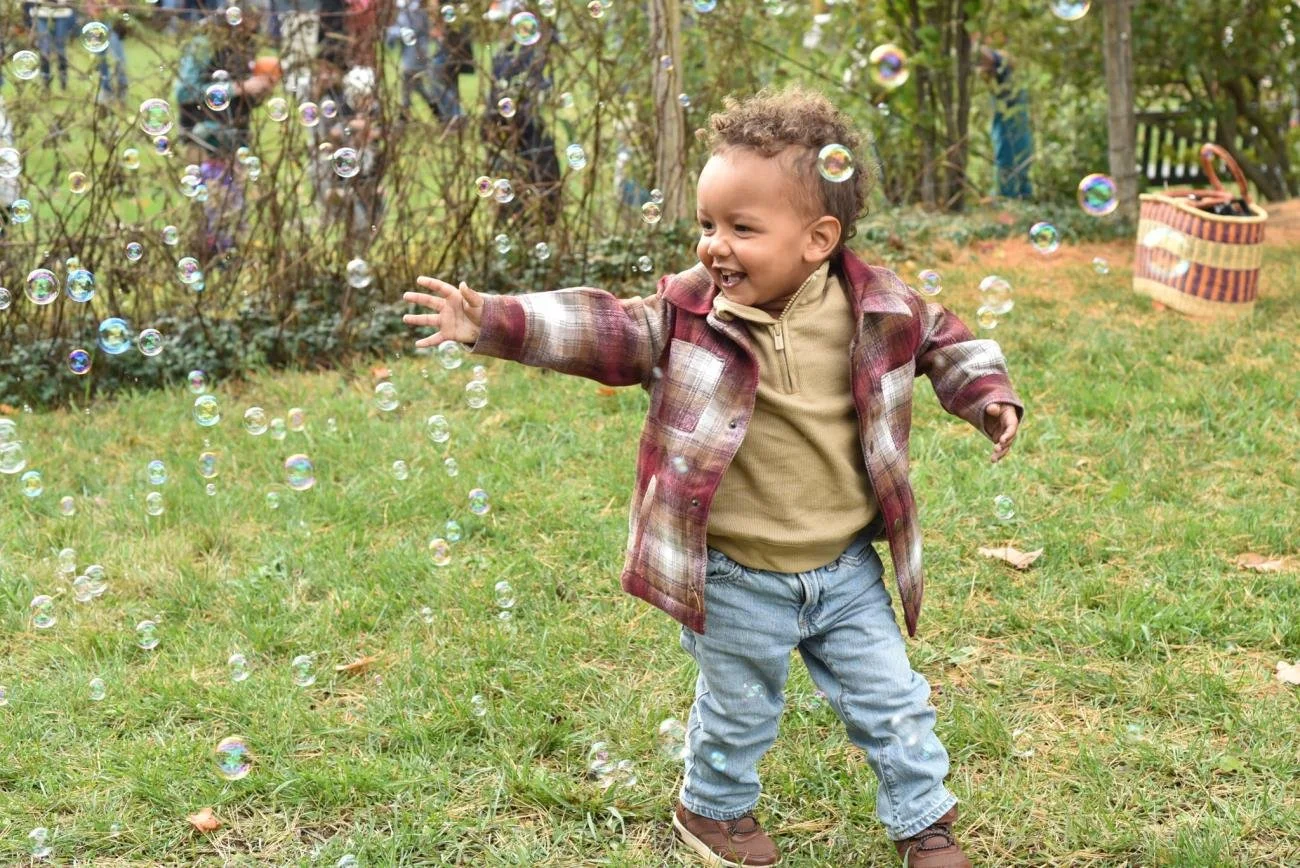
TCH Traditions
As the 40th school year of The Children’s House comes to a close, we prepare to participate in some of the time-tested, community-building, heart-warming traditions that make our school what it is to the children, the families, and those who work in this community of learners. These traditions and others throughout the year enrich all of our lives and create the culture that binds us together from the youngest child in Nido to the graduating 8th year. Sharing our traditions with those who are new to our community helps them obtain a deeper understanding of what matters to us and hopefully connects them to our community on a deeper level.
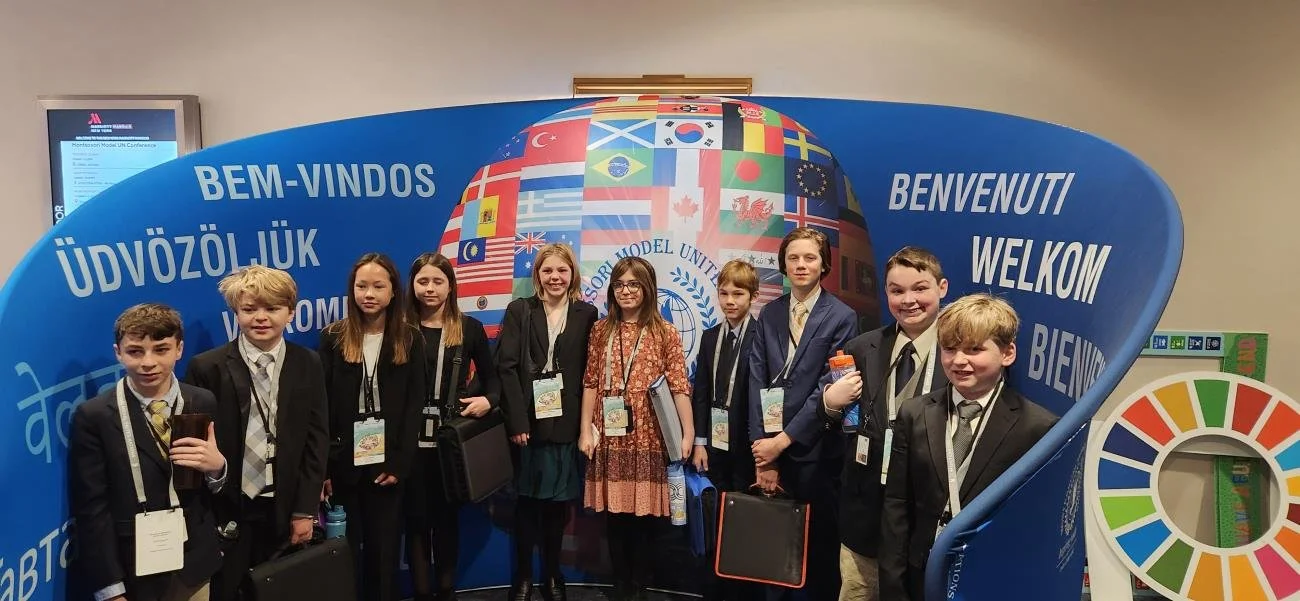
Peacemakers of Our Future
Dr. Maria Montessori addressed the United Nations Educational, Scientific and Cultural Organization (UNESCO) in 1950. She stated, "It is the young people, the children, upon whom we may base our hopes of building a better world since they can give us more than we have today, and more than we, at one time had, but have since lost.”
Accreditation of an Independent School
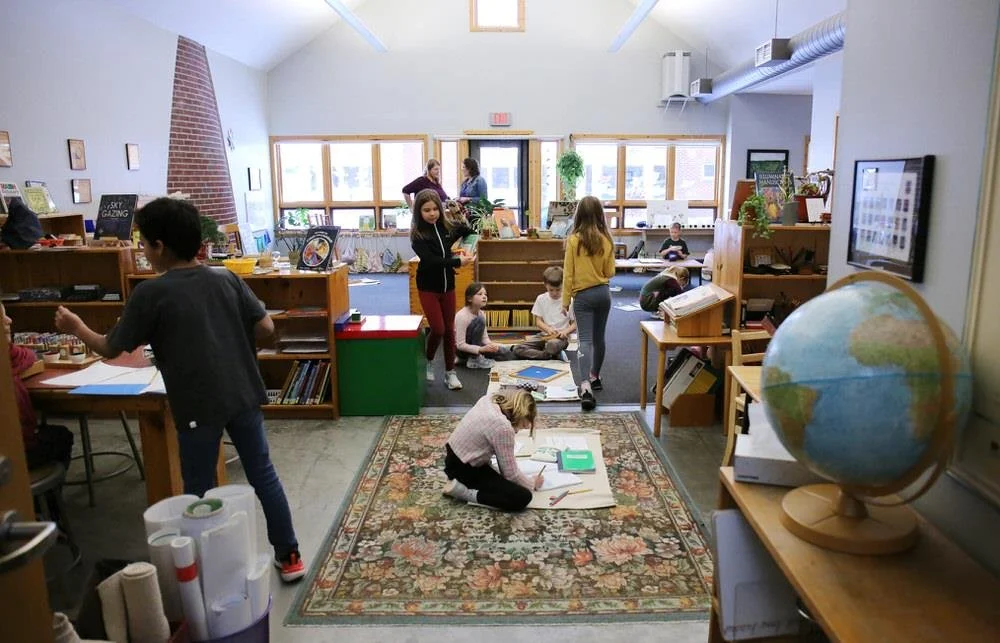
In June 2022, The Children’s House became an accredited member of the Independent Schools Association of the Central States (ISACS). Obtaining membership was a lengthy process in which every staff person and many other members of the community participated. Membership in ISACS is not a once-and-done process but enters the school into a continual cycle of accreditation and improvement. There are many reasons why being an accredited member of ISACS is valuable to the school community.
The Value of Strong School/Family Partnerships
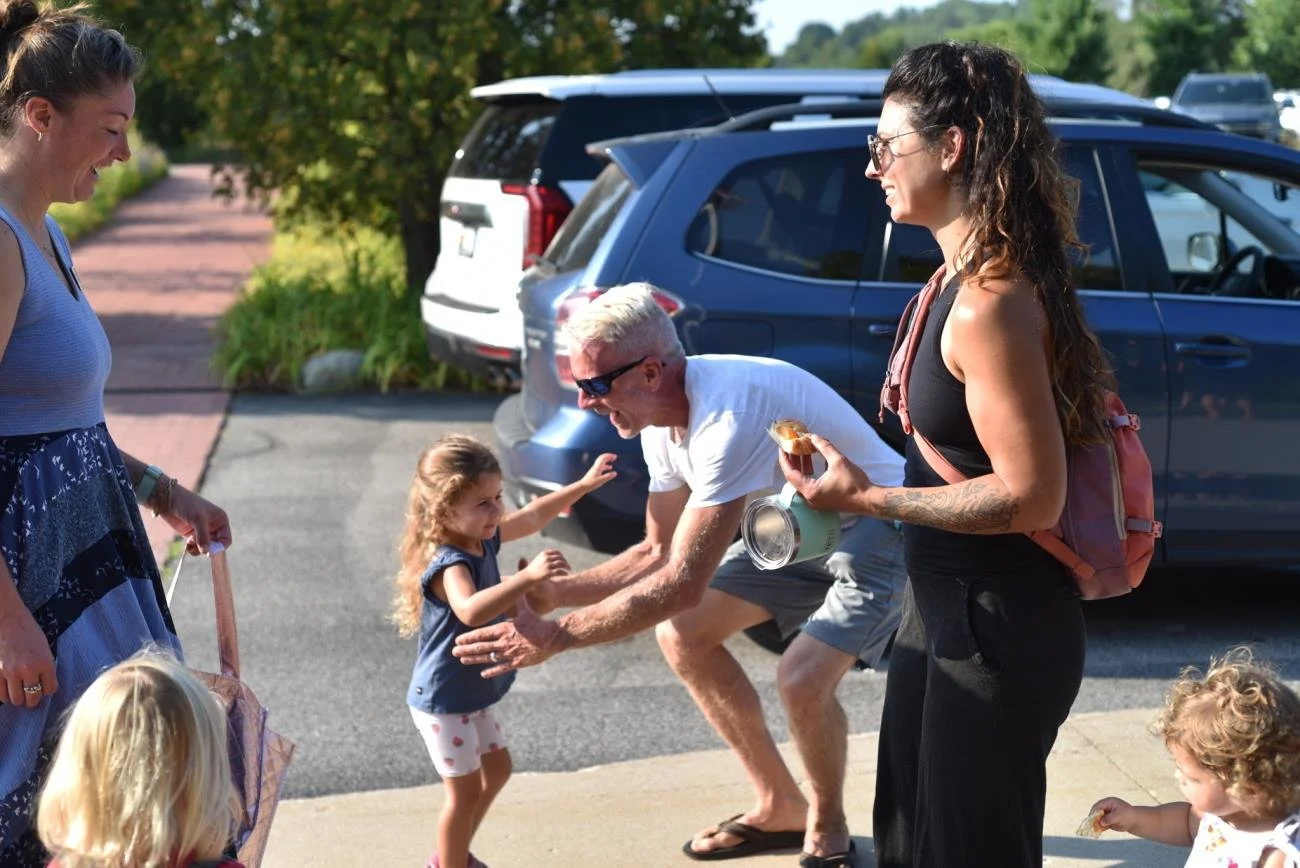
Coming back to school each fall provides a wonderful opportunity for our learners to return to their Montessori prepared environments to connect with one another, the teaching staff, and the work that inspires them to challenge themselves. It is also a vital time for the school and parents to establish a parent-school partnership in support of an optimal educational experience for the children.
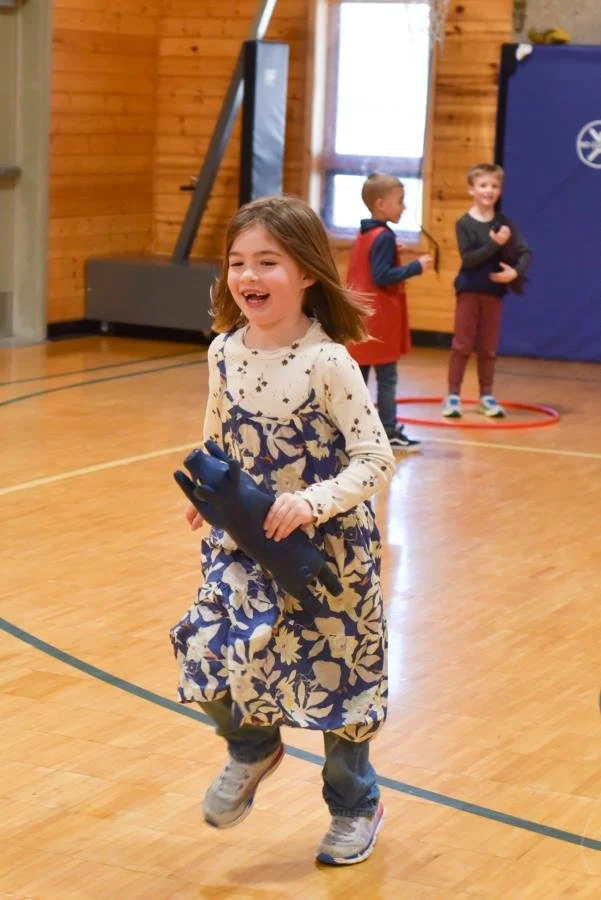
Movement and Mindfulness
Maria Montessori said, “Play is the work of the child”. When children are allowed to learn through play they can satisfy their curiosity about the world, learn, and have fun all at the same time.
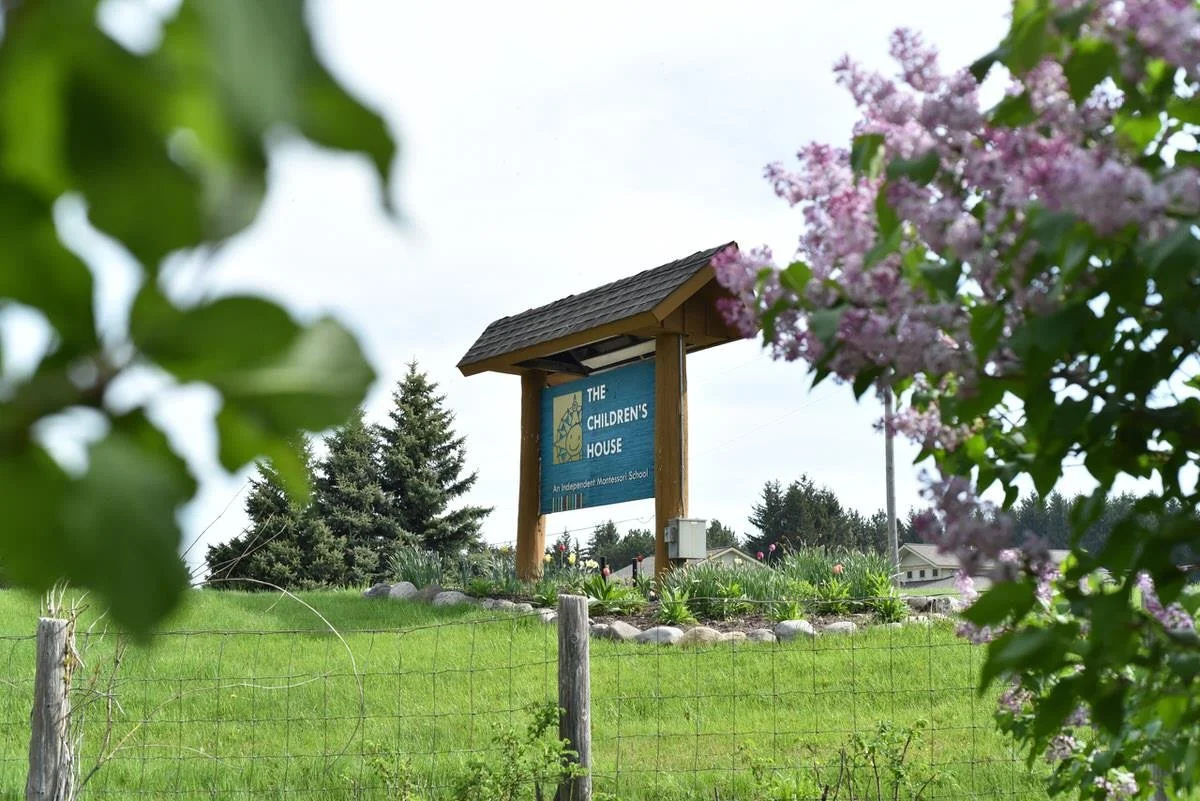
Being a Green School and What That Means for You
From Cosmic education in the Elementary to the “erdkinder” or “earth child” of Junior High, Dr. Montessori envisioned an education that demonstrated the interconnectedness and interdependence of humans among each other and with their environment. We are small yet significant parts of a vast universe. Our acts or inactions affect the whole.
The More You Know
TCH is a community not only for our 260 learners, but for families and caregivers as well. Over the 38-year history of our school, we have been dedicated to creating partnerships with families in support of our students. An important aspect of our partnership are the opportunities for learning that we provide for the parents and caregivers in our school community -- a year-long calendar of offerings in family education, discussion groups, and webinars with the experts.
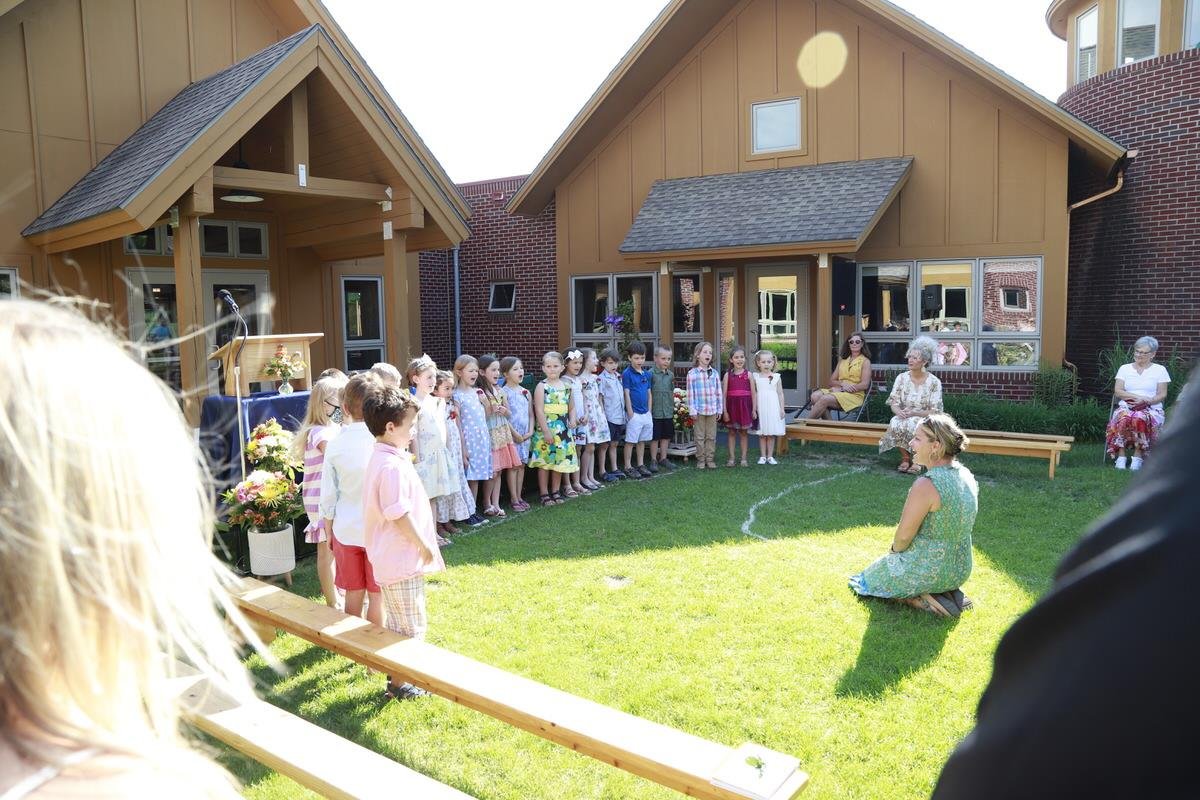
Traditions and Celebrations
The Children’s House was founded in 1984 in a small farmhouse in Sutton’s Bay. In the early years, the school consisted of one Toddler community and one Primary classroom. When the children completed their Kindergarten year, they moved on to different schools for elementary. During this time, traditions were created that have continued to be celebrated throughout these past 38 years.
Role of the Guide
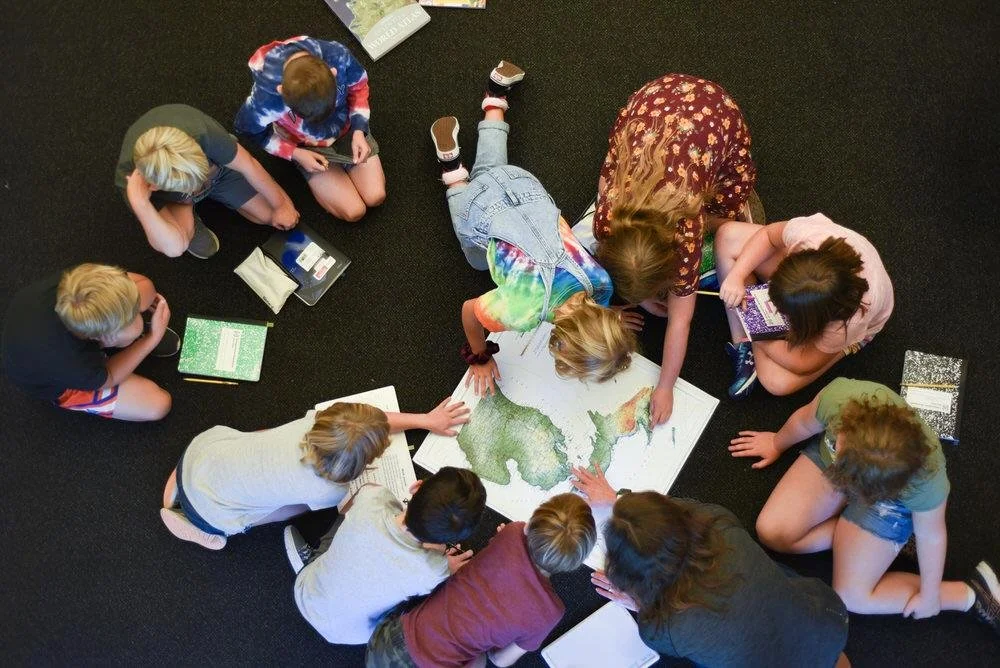
Why do Montessori schools use the term “guide” instead of “teacher” and how is a guide’s role different from what may be expected of a traditional teacher? Word choice matters and helps all of us in the role of guide stay true to our training and the children’s needs. One definition of “to teach” is “to impart knowledge,” whereas “to guide” can be defined as “to show the way.” From the child’s perspective, a difference between approaches may be perceived as either being given all the answers or being shown how to find your own.
How to Make the Most of Parent-Teacher Conferences
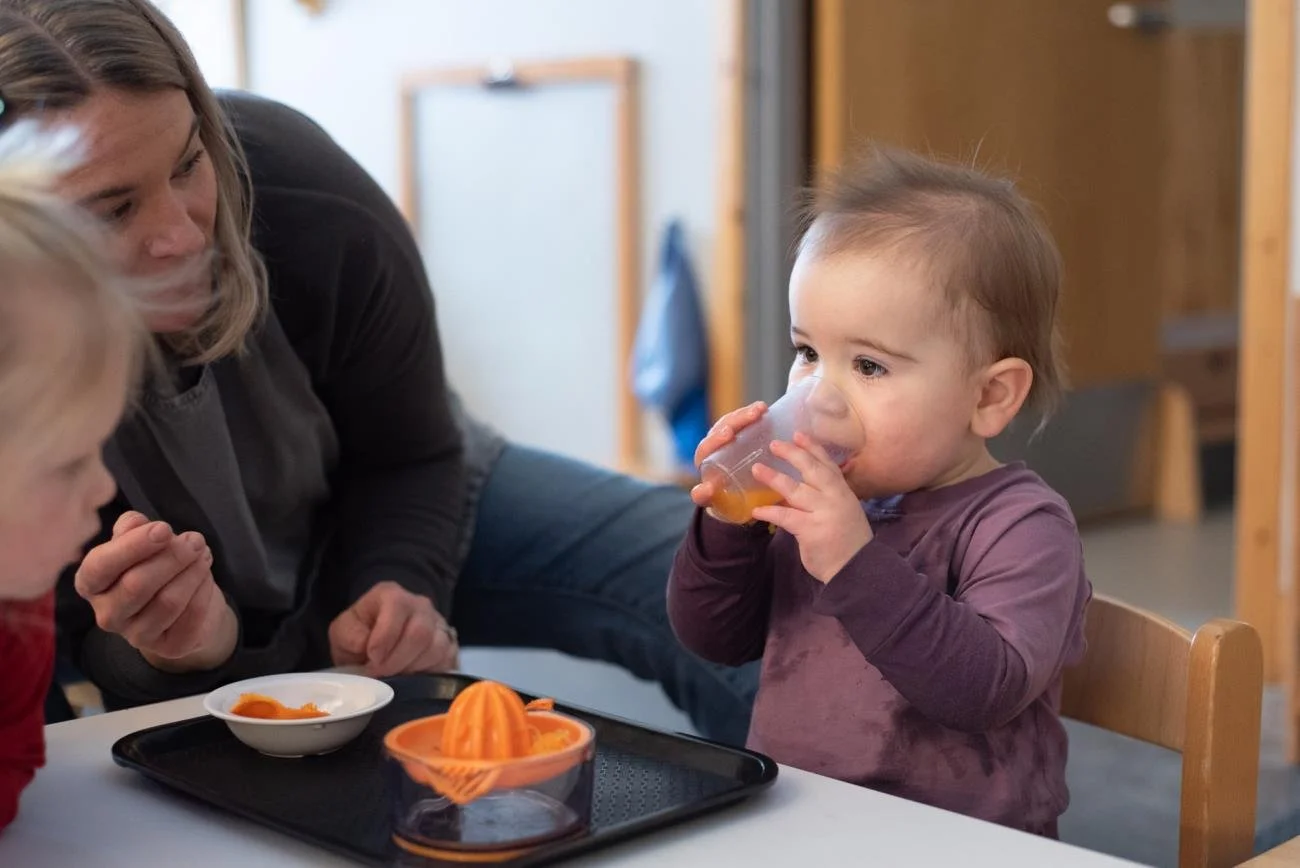
Parent-teacher conferences are right around the corner. We genuinely care for your child and their development and look forward to our time together. We have lots to share about your child and, because no one knows your child better than you do, we look forward to hearing from you all about your child, discussing any questions you may have and supporting you at home when possible.
How to Observe in a Montessori Classroom
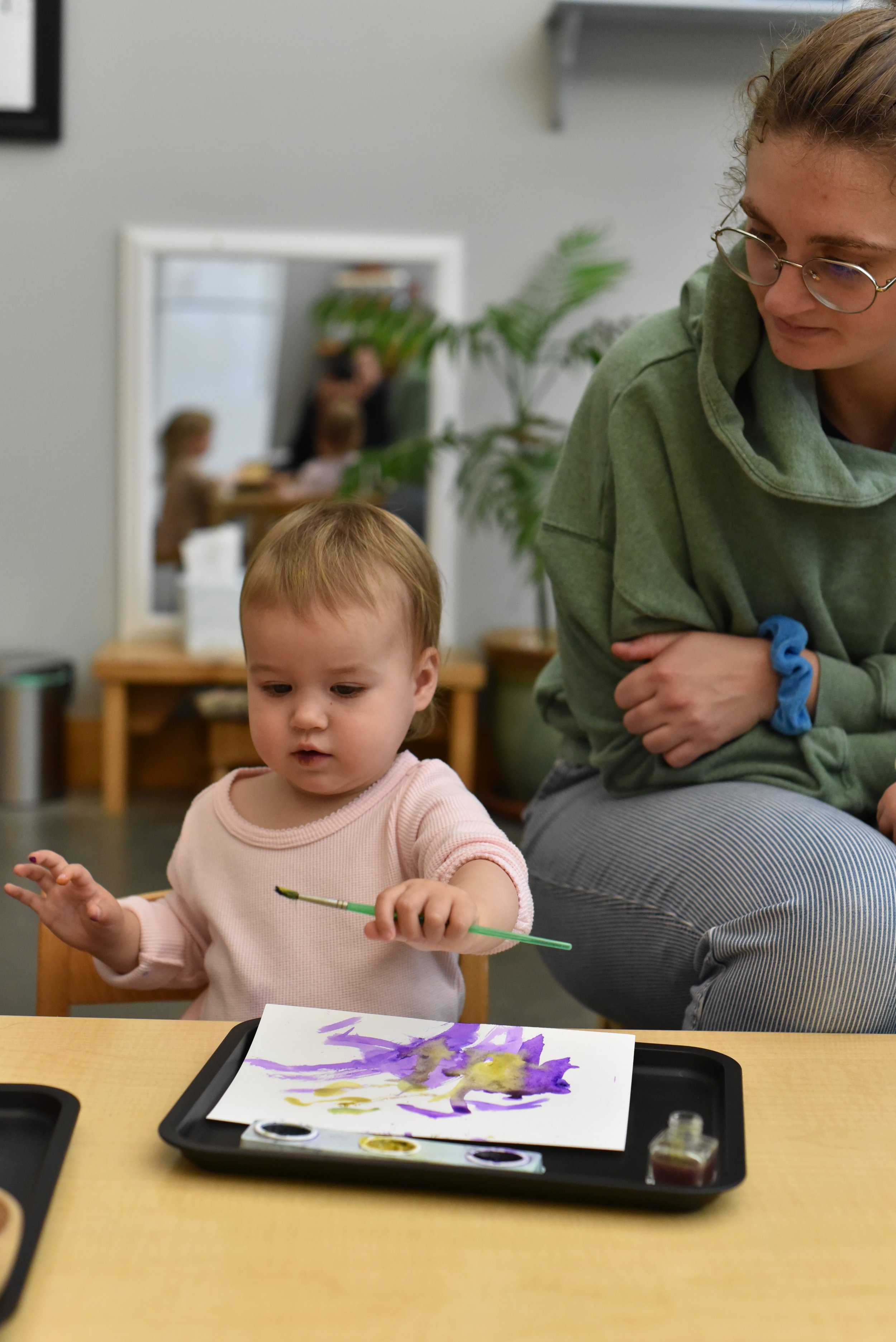
The Montessori environment integrates all aspects the child needs to be successful. Mastery over the environment begins when the child becomes aware of their actions in and on the environment and, for some, this may be their first experience outside of the home. The classroom supports all of what’s to come and is the physical, psychological, and social foundation for growth.
Dr. Montessori and Peace
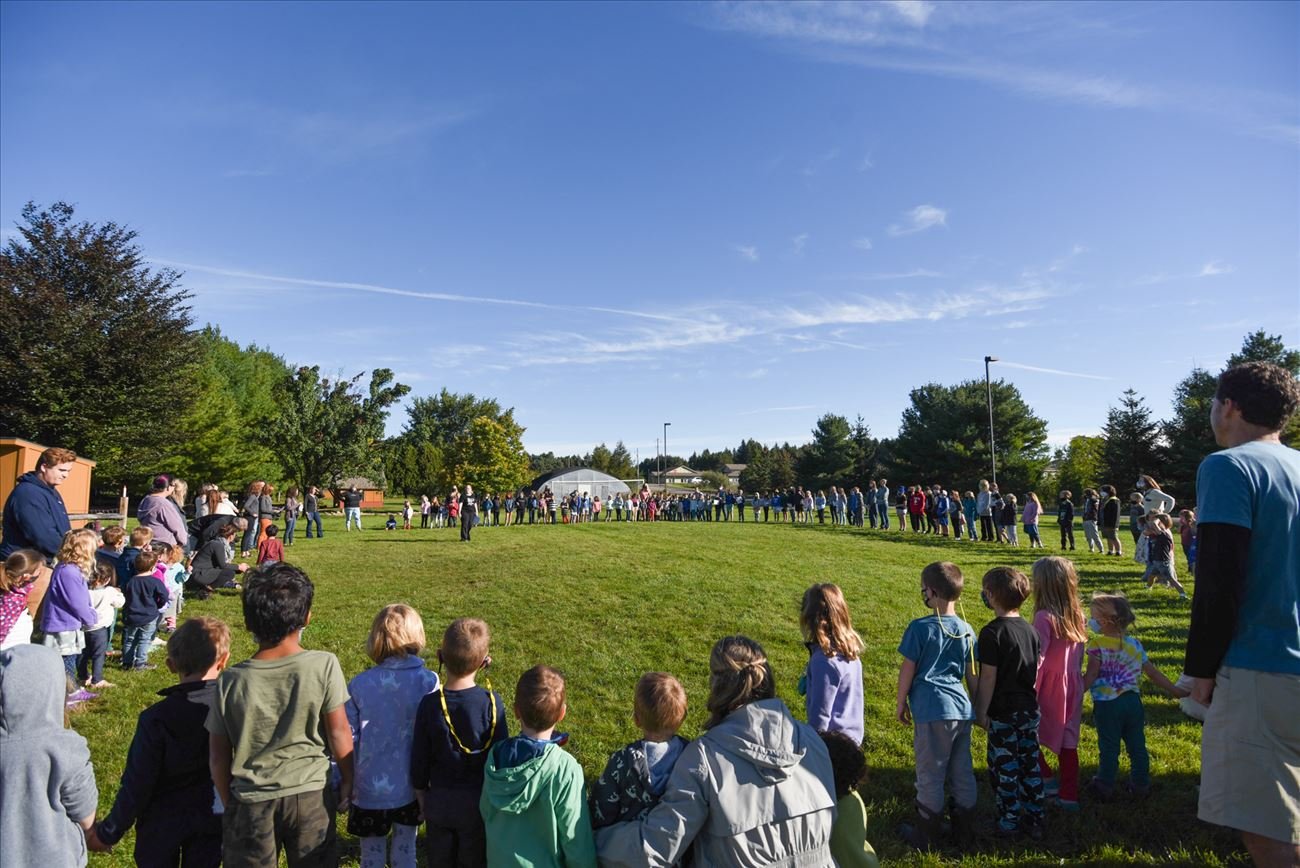
Perhaps you do not know that Maria Montessori lived during both World Wars. Maybe you do not know that she was involved in the creation of The League of Nations, the precursor to The United Nations.
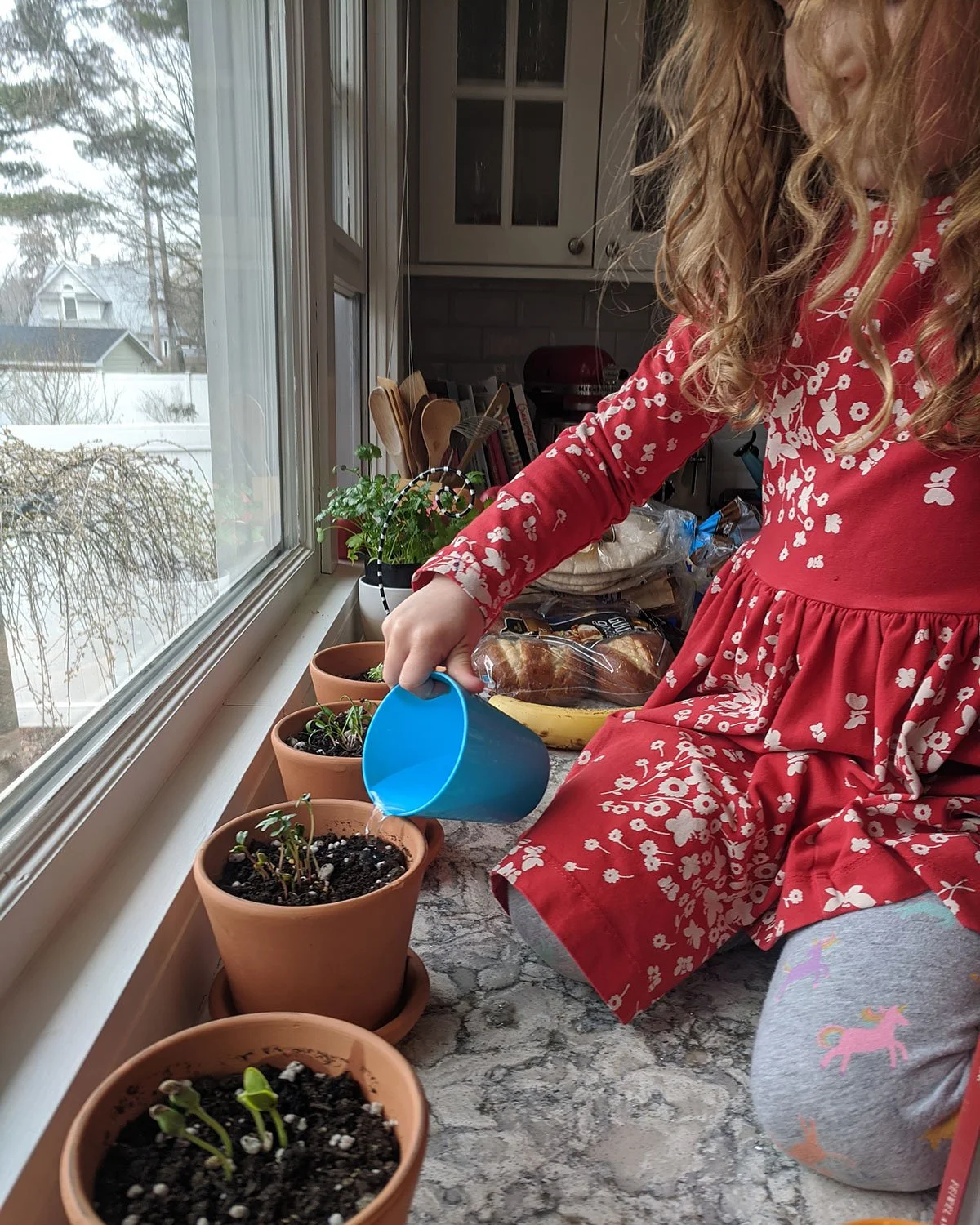
4 Ways to Integrate Montessori at Home
Encouraging order, independence, and self-motivation is fundamental to the Montessori approach. At school, carefully designed classrooms allow students to develop competence in caring for themselves and their surroundings. Here are four ways you can support your child’s Montessori education at home…
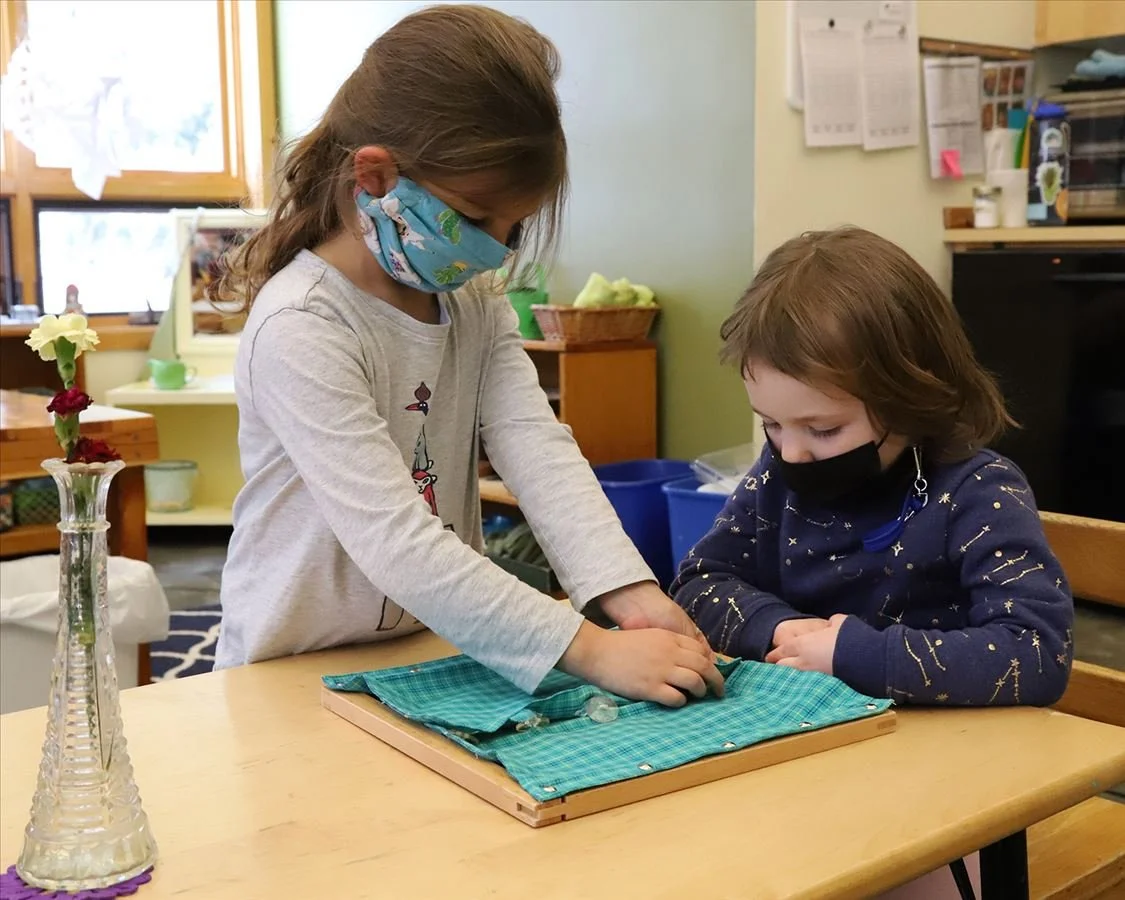
Montessori and the Multi-Aged Classroom
When our daughter joined The Children’s House at sixteen months, one of the biggest takeaways from our initial visit was how very capable she already was at this young age and how, up until that point, we may have been getting in the way of her natural development.

We Need More Than Kindness
Dr. Montessori fought for peace among people and nations. She was part of the League of Nations - the predecessor of the United Nations. It is in our training as Montessori educators to create a community that is just, inclusive, and welcoming to all.
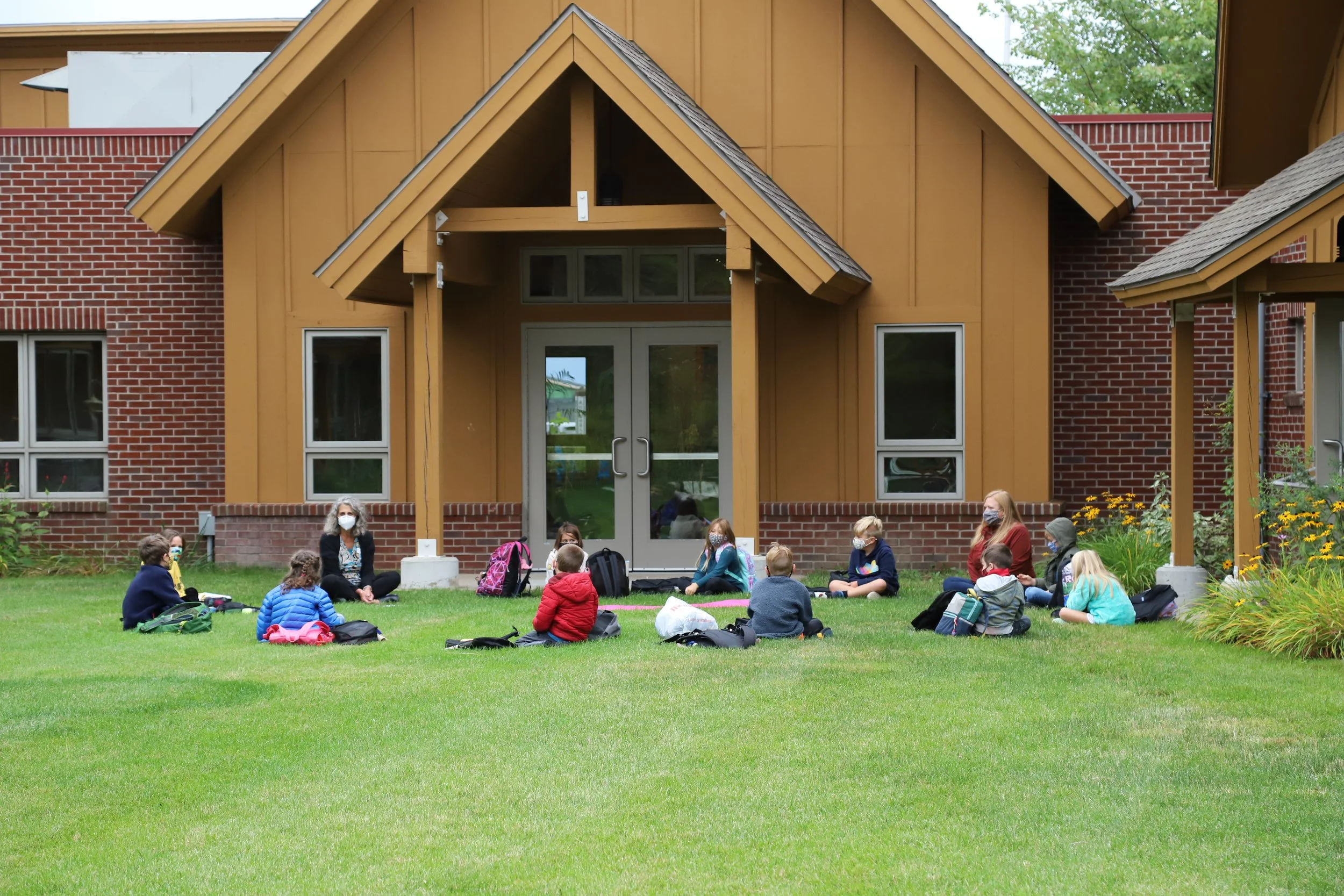
Anti-Bias Anti-Racism Education is Montessori
Maria Montessori taught us to believe in the potential and value of every child. As Montessorians, it is our intention to provide an environment where children and adults alike are seen and respected, and to seek to understand others for their differences and similarities. We believe a future that is genuinely equitable for all is in the hands of the children.