
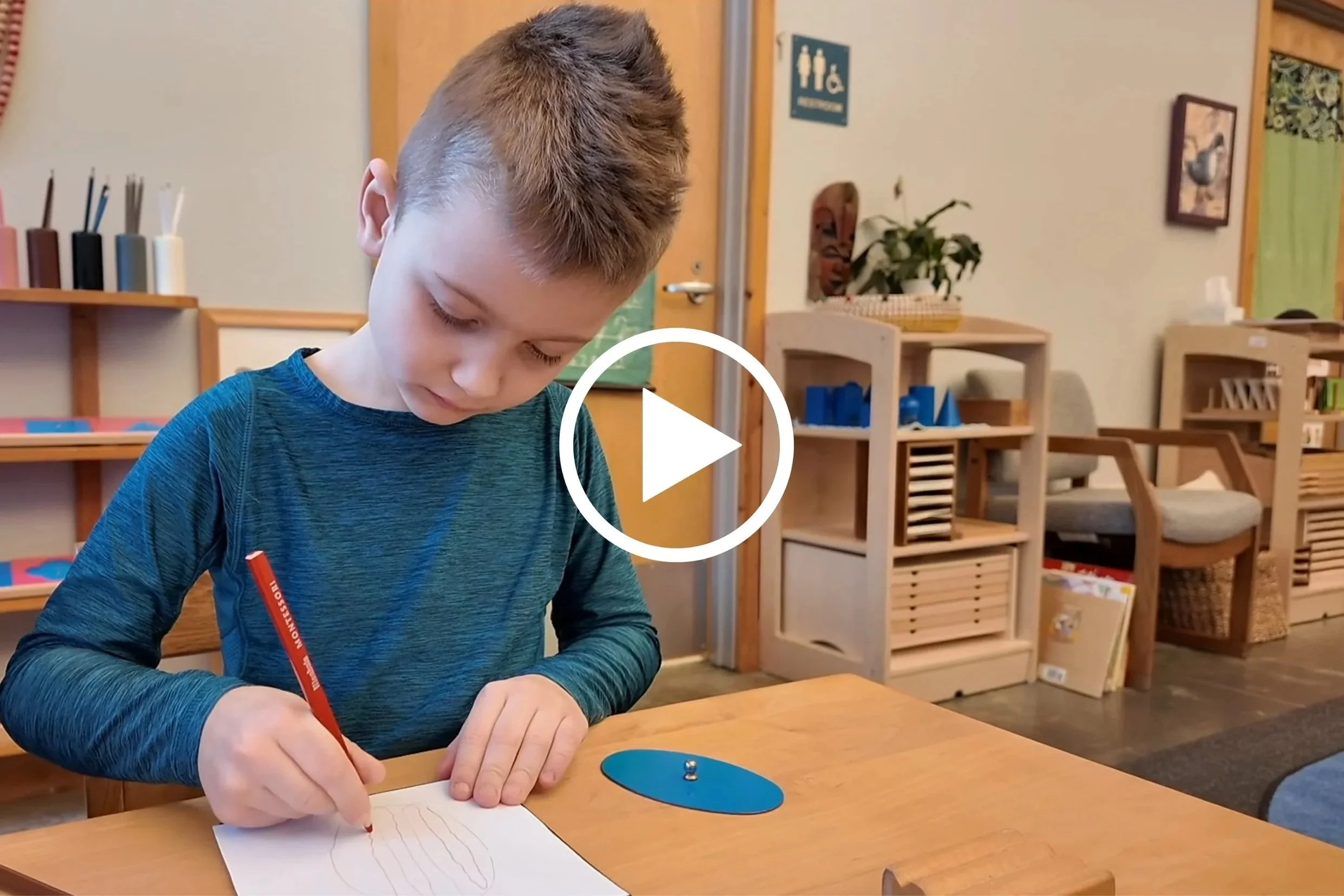
A Day in the Life of a Primary Student (Ages 3-6)
When people imagine a Montessori Primary classroom, they often picture small children quietly working with beautiful materials. While that image isn’t wrong, it barely scratches the surface of what truly unfolds each day. A Primary environment is alive, humming with purpose, curiosity, movement, connection, and, yes, a little bit of chaos sprinkled throughout.
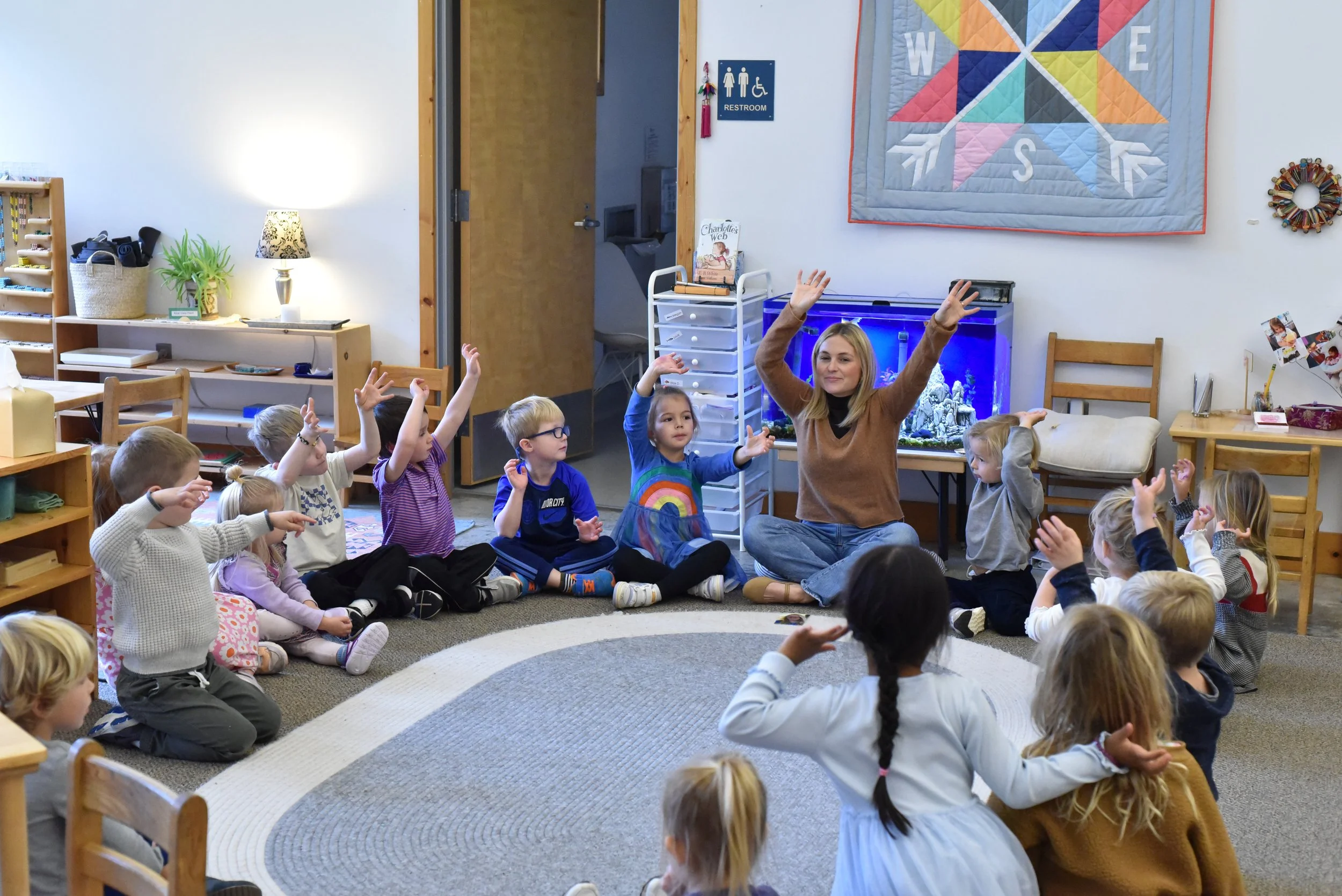
Growing Together
When I think about The Children’s House, one simple truth comes to mind: this place is me. I was a Montessori child. Like so many of our students, I had the freedom to move, to ask questions, and to explore things deeply without someone rushing me to the “right” answer.
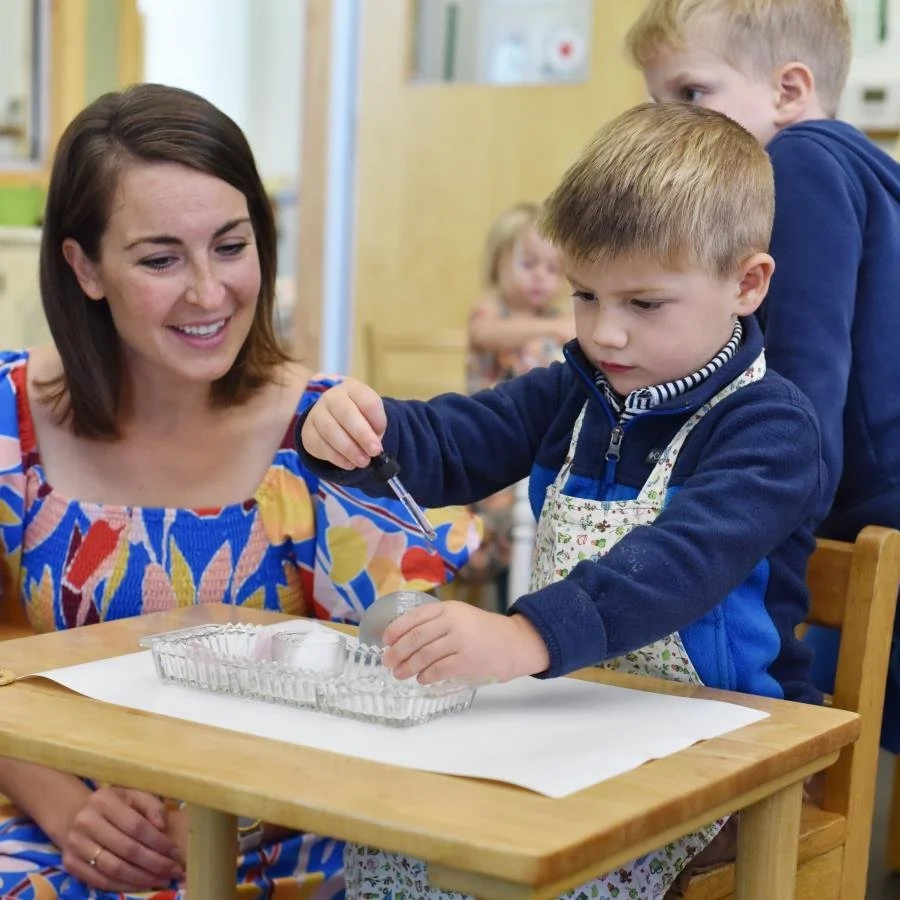
The Role of the Adult in a Montessori Classroom
Rather than seeing children as empty vessels, Montessori teachers see a bundle of potential just waiting to be realized. With this, the focus is on discovering these hidden potentials in children and supporting their development. This happens most effectively when children are actively engaged in their learning process.
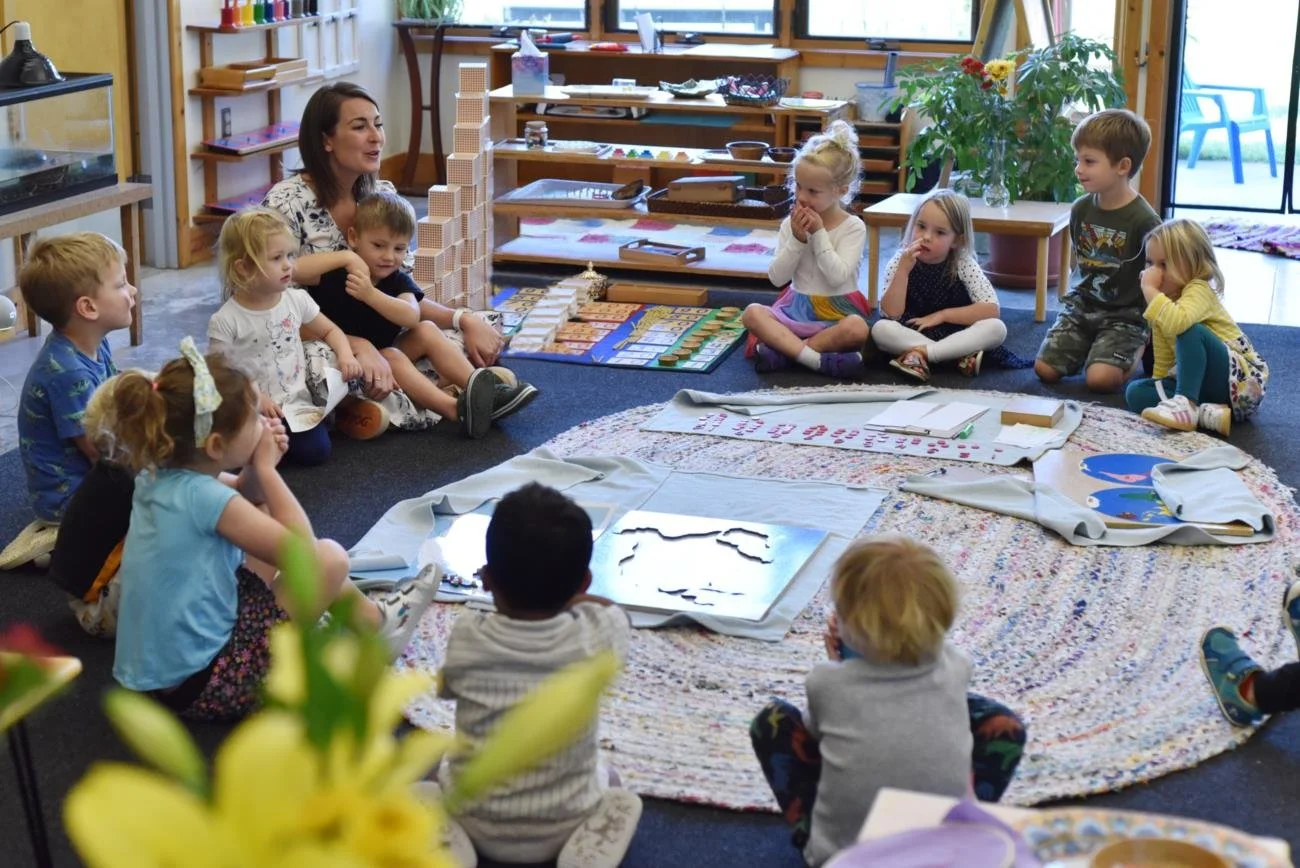
Harmony in the Home
The topic of this blog is about ‘doing’ Montessori at home and it seems an impossible feat we set before you if all of a sudden the materials – the legacy of Dr. Montessori herself – are now off limits. What if I shared that another harmonious trilogy can be created within the context of your family?
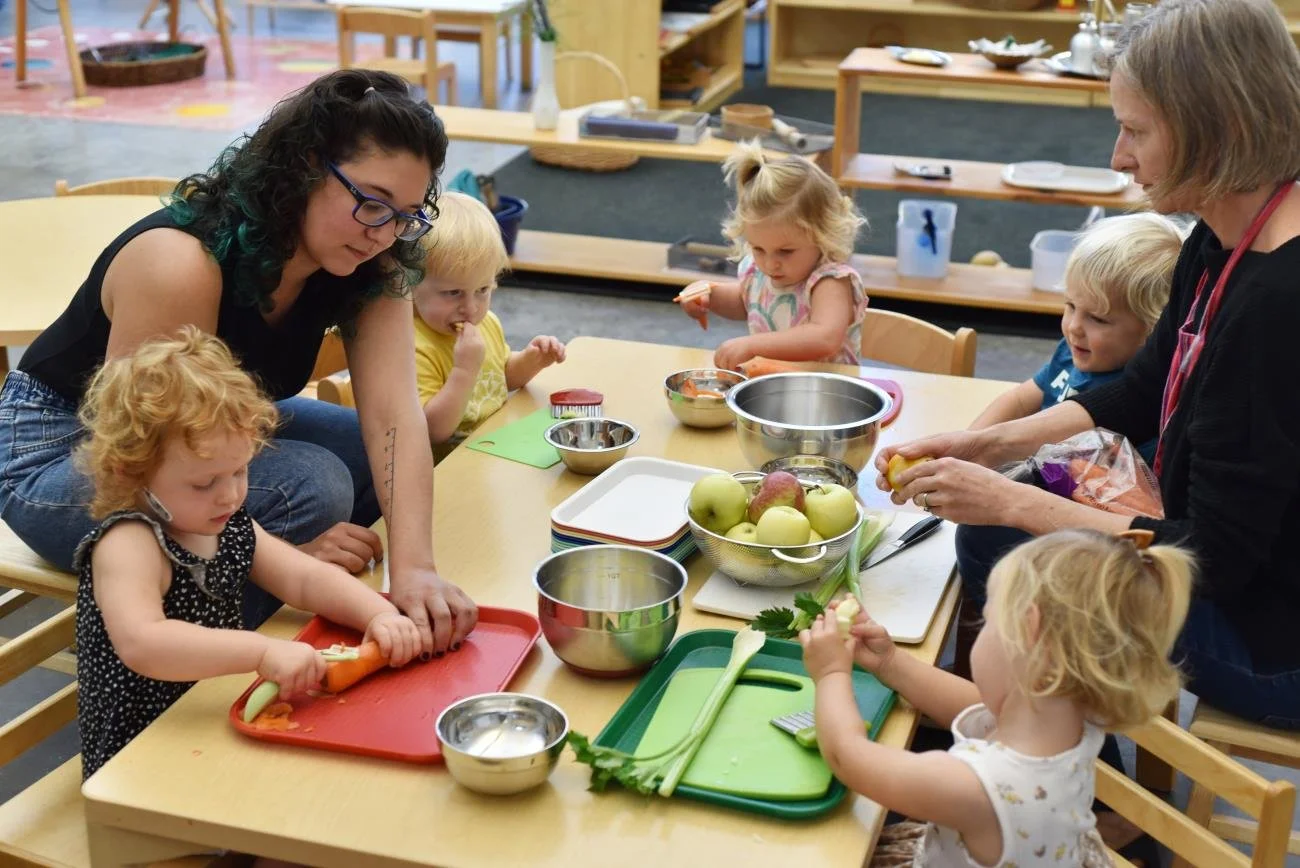
Cooking with Young Children and Tools of the Trade
Preparing food with children is my favorite activity in the classroom. Seeing their enthusiasm about making food, tasting it, and eating the finished product is very rewarding.
Why is teaching children about preparing food so important?
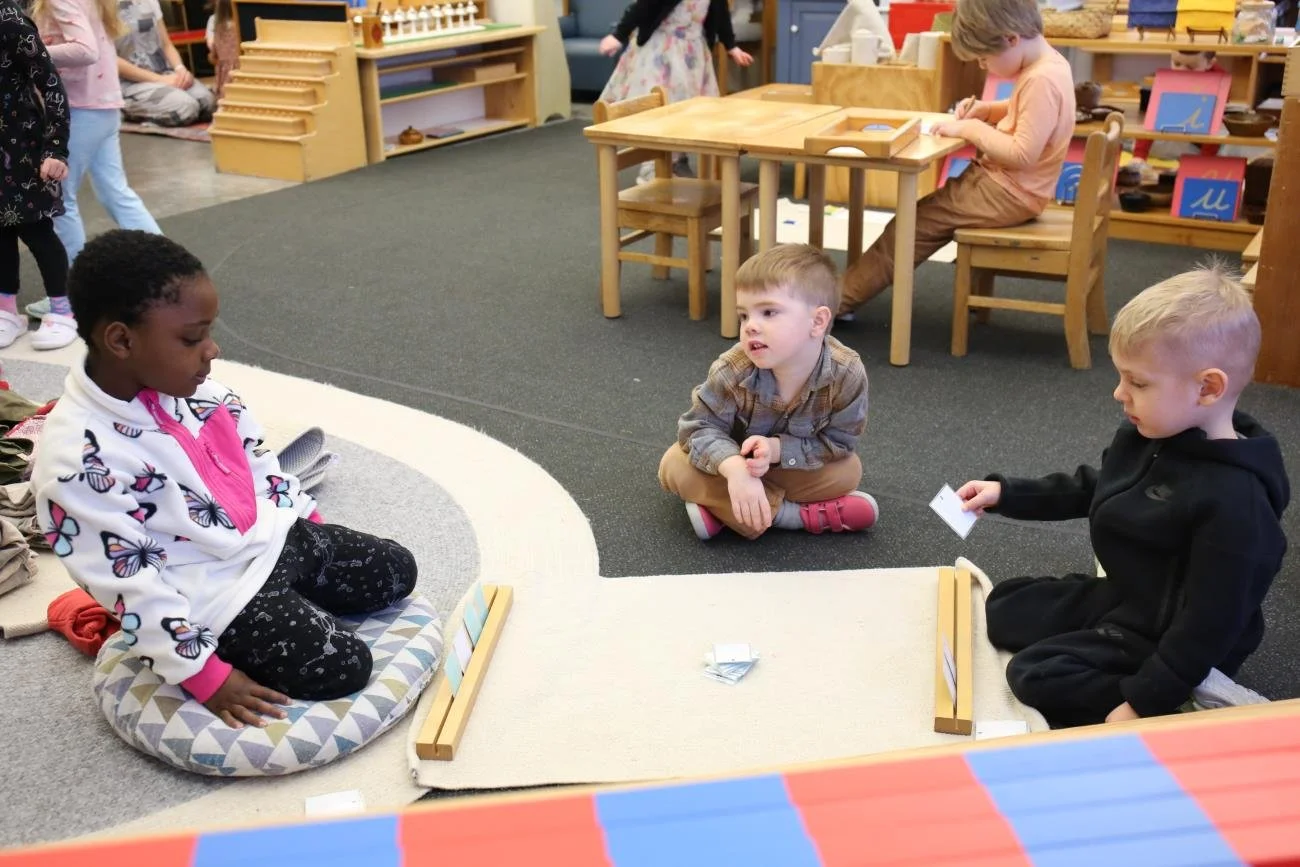
The Ideal Montessori Class Size Might Be Larger Than You Think
Traditionally, school quality is judged by class size. Many believe a lower teacher-student ratio means more individualized attention and larger class sizes are thought to be a sign of less instructional time. This perception is founded on the idea that children learn more when they are one-on-one with an adult. Traditional schools view teachers as knowledge transmitters and children as empty vessels waiting to be filled. Montessori schools turn this accepted theory on its head.
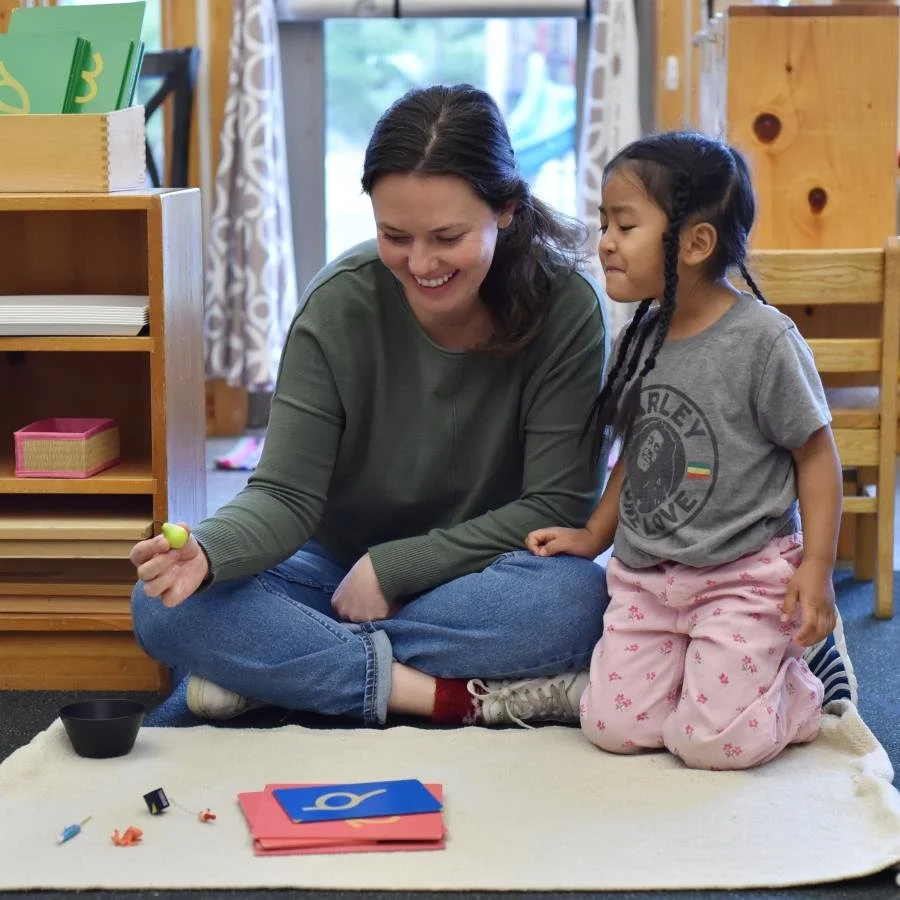
A Glimpse Into the Role of Classroom Support Staff
I remember the very first time I stepped into a Montessori Environment. I was touring Intercultural Montessori in Oak Park, IL. I was five months pregnant. The sunlight poured into the East windows, it glistened through plants and the fish tank. Children were walking, playing/working, and speaking Mandarin. They were purposeful and full of concentration. I was like a moth to a flame, I had to know more.
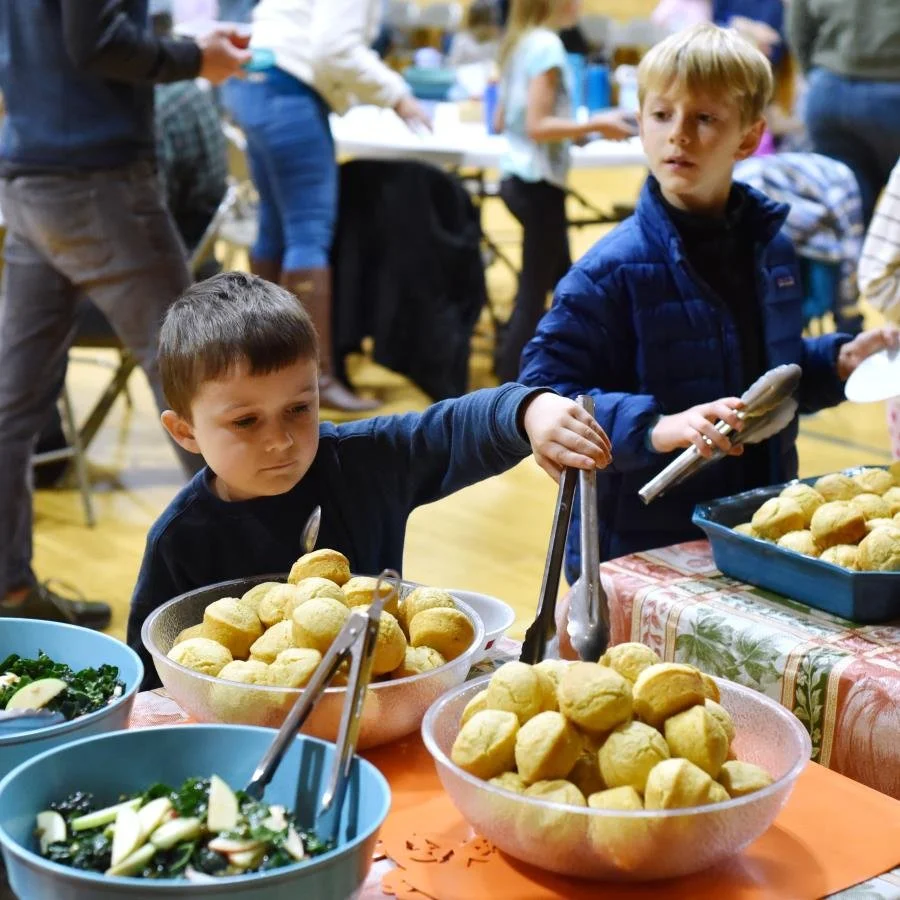
Celebrating the Harvest
As I settle into my third year at The Children’s House, I finally feel I trust myself to take some of our past traditions and modify them to work with the changes that our school has undergone through the years. The many traditions at our school have grown organically, a mish-mash of cultural interests and the love that our staff feels for the children here. The teachers, staff, and administration are always striving to give the children something delightful and meaningful to participate in. The Fall Festival is one such tradition, handed down to the Kitchen Director through the years as a celebration of our Earth to Table program.
Reading to Learn
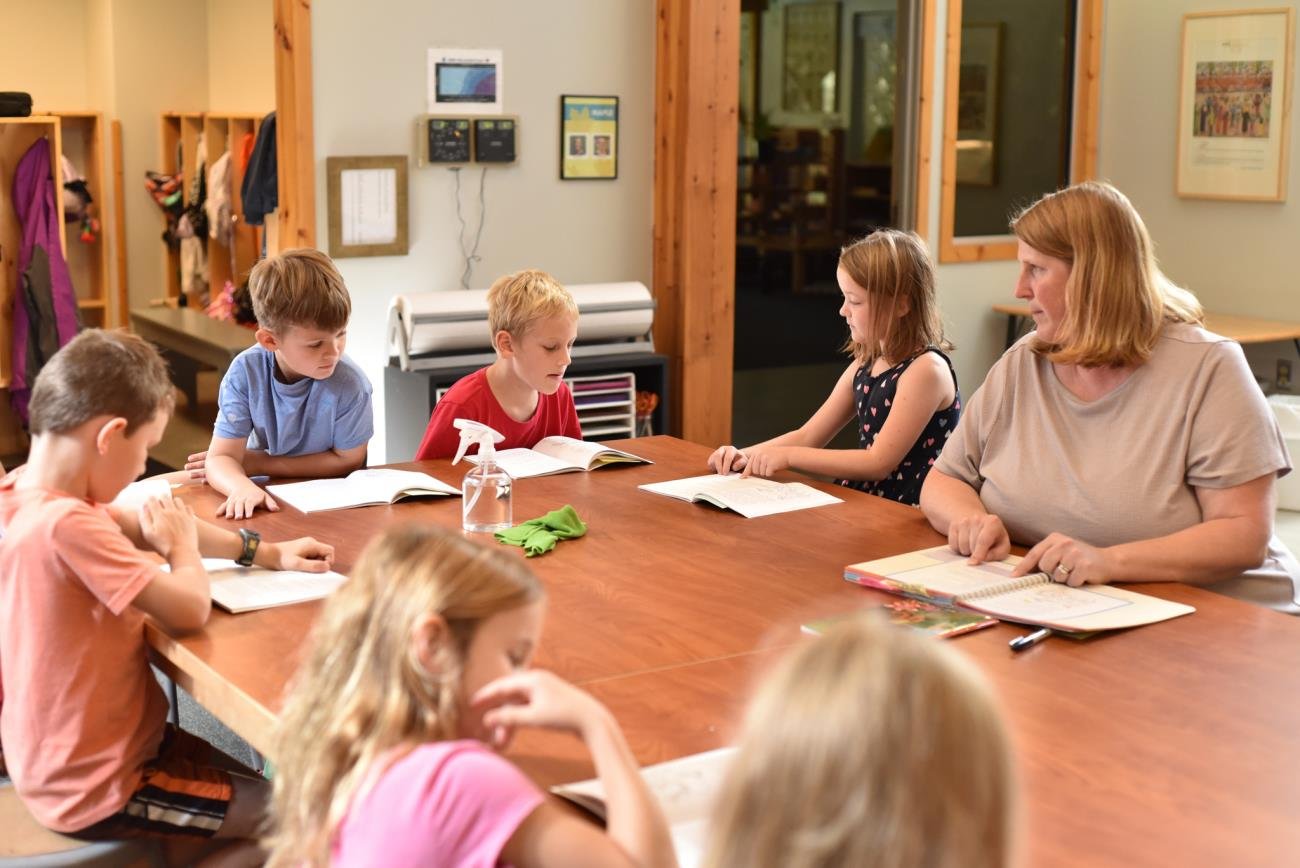
How does the process of learning to read look in a Montessori classroom? Montessori has what can be called a balanced literacy approach to language. This means that there are both spoken and written components that come together in a variety of ways, over time, and in all areas of our school.
Becoming a Montessori Guide
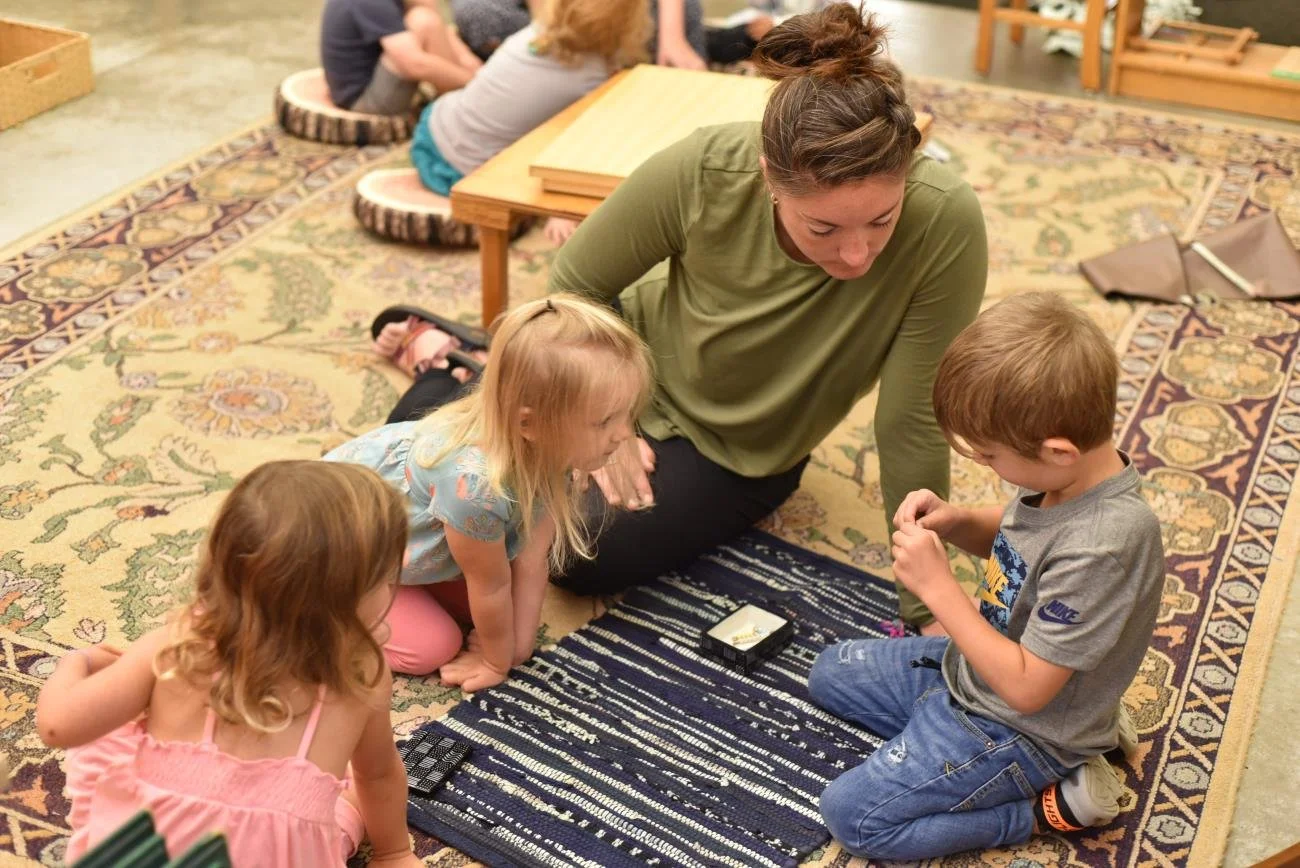
Becoming a Montessori Guide at any age-group level is a rather significant undertaking in one’s life. Prior to working at the Children’s House, I was a professional athlete. I was fortunate in that my dedication, work ethic, and accountability as a teammate took me all over the world. I am speaking honestly when I share that training to become a Montessori Guide was the hardest thing I have ever done. It is also my greatest accomplishment.
Learning Through Joyful Discovery
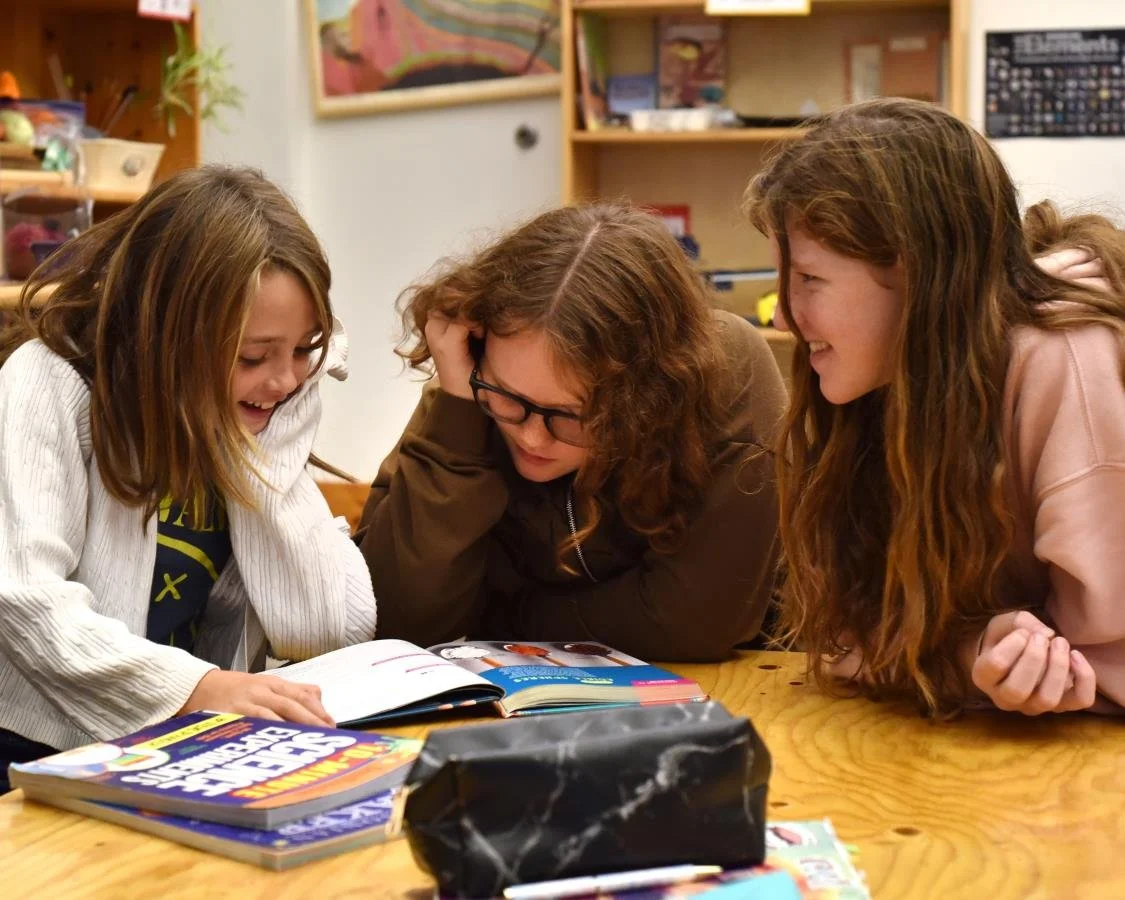
As Montessori teachers, we are trained to anchor our service to the child in the foundational principle that education should be an “aid to life.” To achieve this lofty, yet practical goal, we strive to foster the development of lifelong learners through the joyful discovery of specific skills and concepts, the wonders of the expanding world around them, and what matters to them and what type of person they want to be.

Believing in the Child
The role of the adult is not to pave a pathway for the child, but to make sure that the child has what they need to forge their own way. The greatest way for us to support children is to treat them with constant love, trust, and respect. It is so important that each child feels loved just as they are.
Food Feelings, Choices, and Stigmas
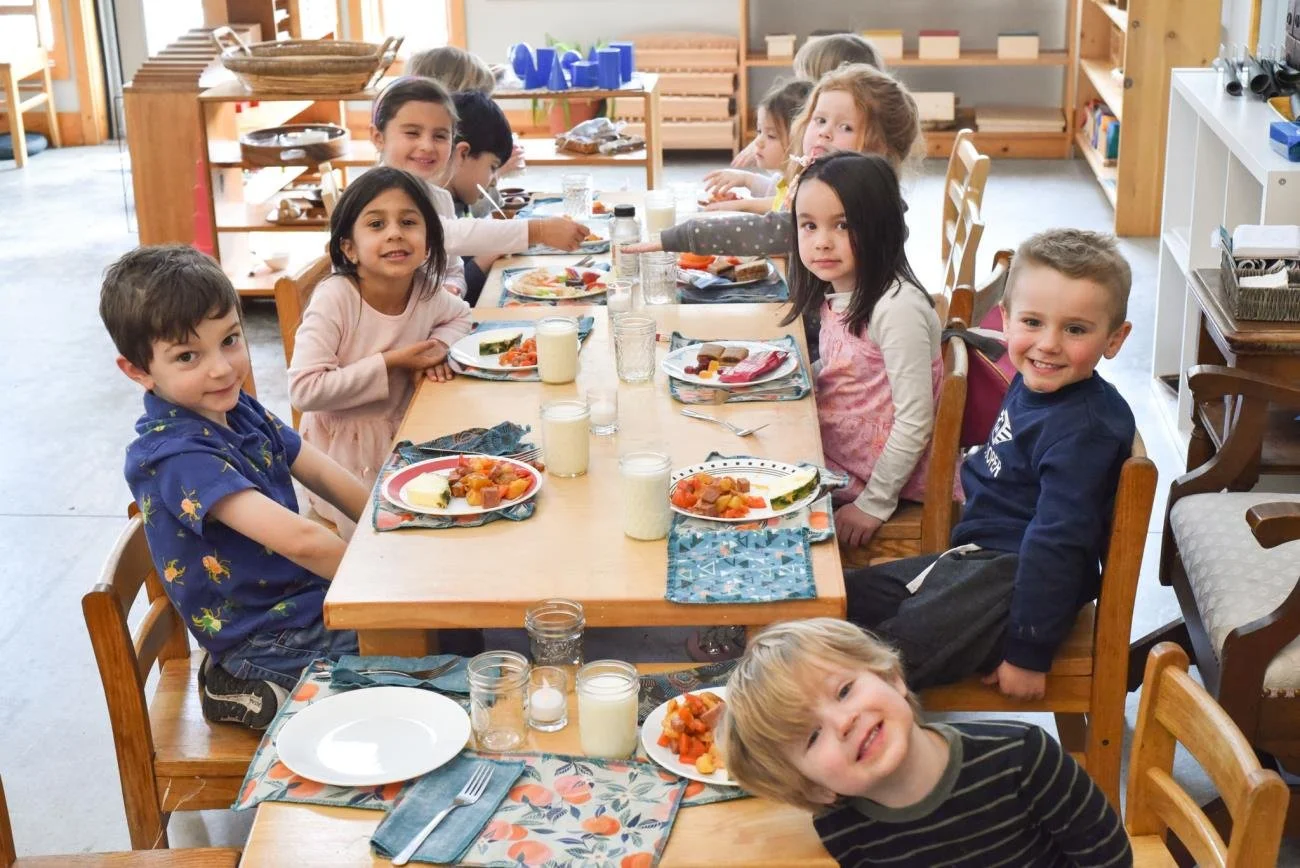
We had a lot of talk in the classroom about candy and treats upon our return from the Easter weekend. I thought this would be a great time to open a discussion about how we handle the variety of foods we make available to children. There is a shifting trend, particularly in the parenting arena, where we are asked to stop placing foods into a hierarchy.
Consistency of Expectations
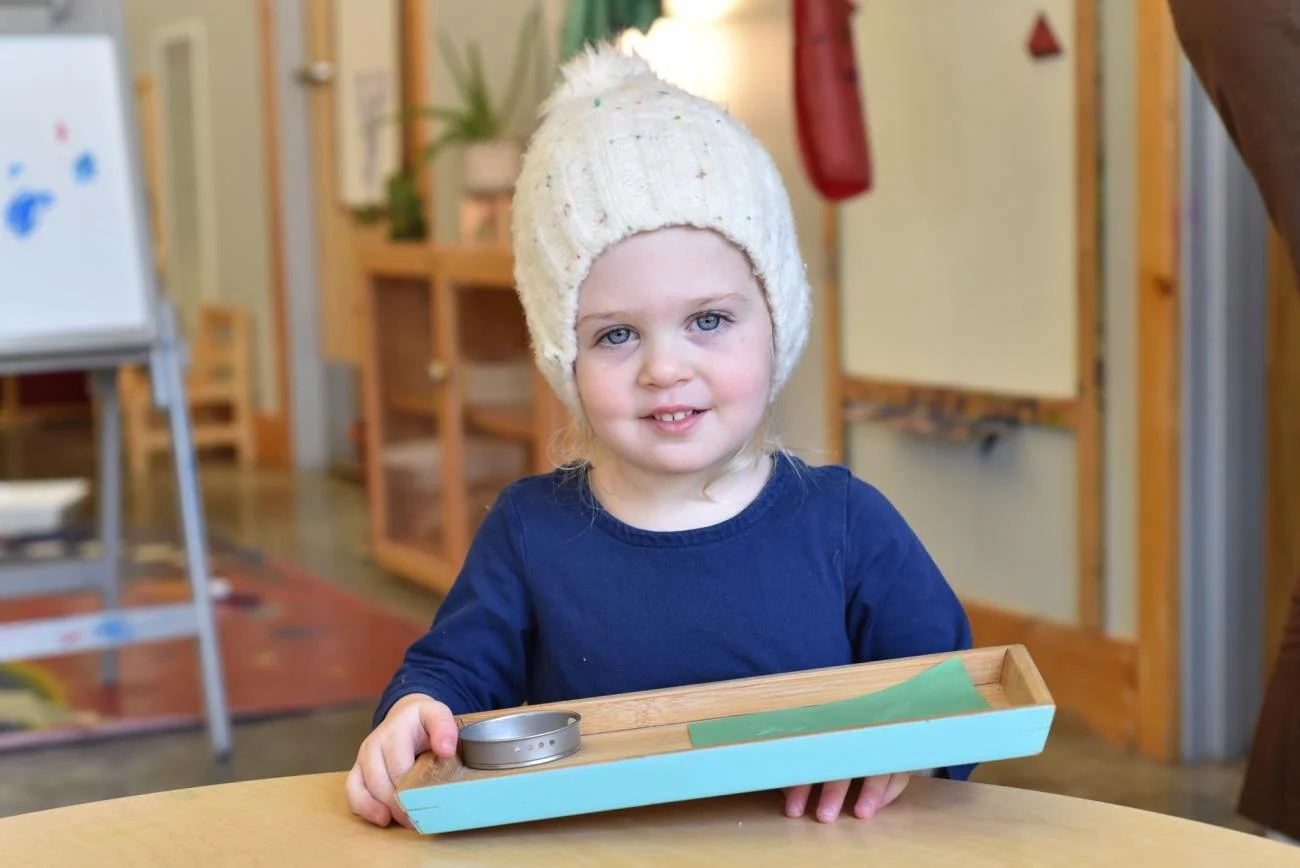
It sometimes feels uncomfortable for adults to set up limits and discipline the child. We all carry baggage from our childhood when it comes to memories of being disciplined. The word “discipline” brings negative feelings, and as a result we are sometimes reluctant to set limits to a child's actions, worrying that it may squish their personality. As a result we end up negotiating endlessly with a child who quickly learns that all limits are negotiable.
Fanning the Flames of Intrinsic Motivation
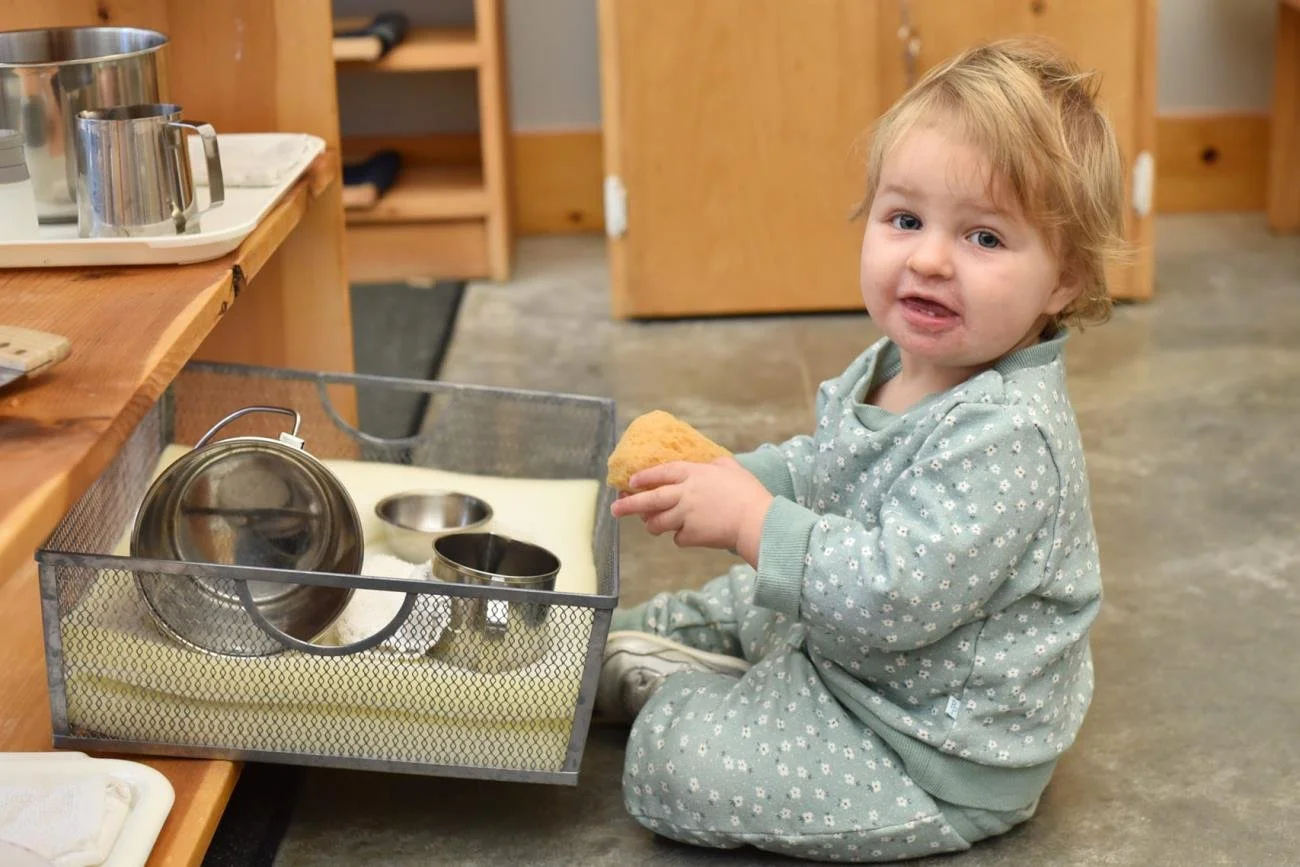
A few years ago I developed an interest in woodworking. I purchased some hand carving tools and an instruction book on how to use them. I watched a lot of YouTube videos on the subject and joined a few woodworking groups on social media. Eventually, I was able to carve a very rugged cooking spoon. Not yet satisfied, I took a class on how to use machinery for woodworking. In doing so, I built a very rudimentary step stool.
The Language of Encouragement
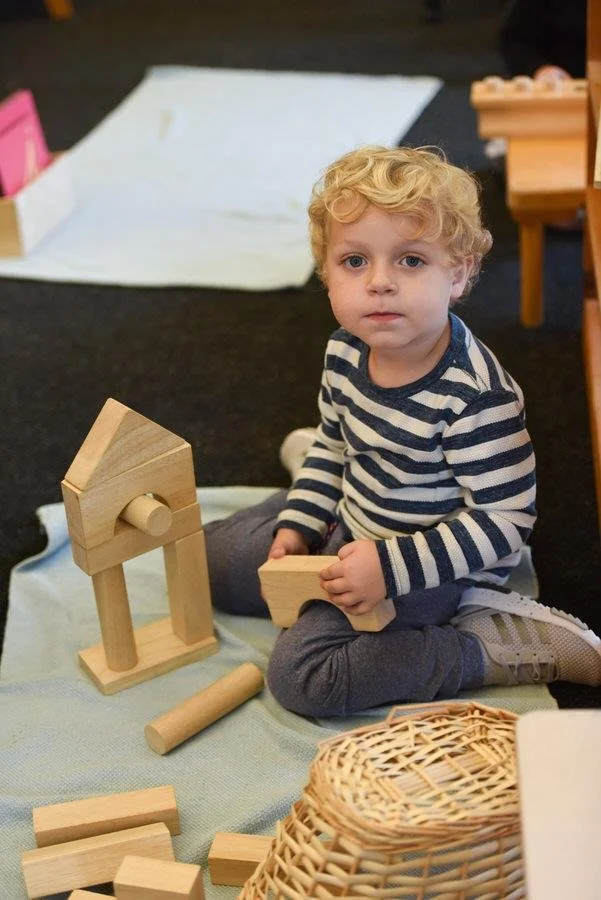
We often hear the terms “praise” and “encouragement” in a wide variety of school settings. Praise is typically defined as expressing approval or admiration whereas encouragement is a more supportive action that points out facts without tying them to an evaluation of one’s work. In a Montessori classroom setting, we provide encouragement by noticing. This may be as simple as “You spent the whole morning on your cursive handwriting,” or something more complex such as, “It felt helpful when you cared for our community by setting the lunch table.”
The Four Planes of Development
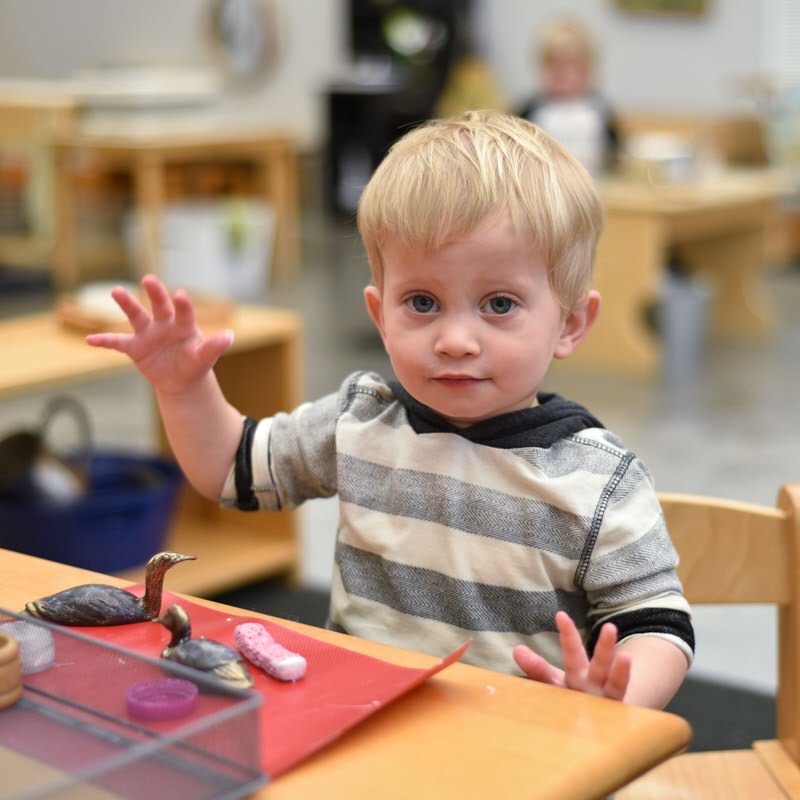
During recent faculty meetings we've enjoyed lively conversations about how children at each level adapt and explore independence in our classrooms. It is fascinating to take a philosophical topic and see how it manifests in our learners across the span of their time at The Children’s House.
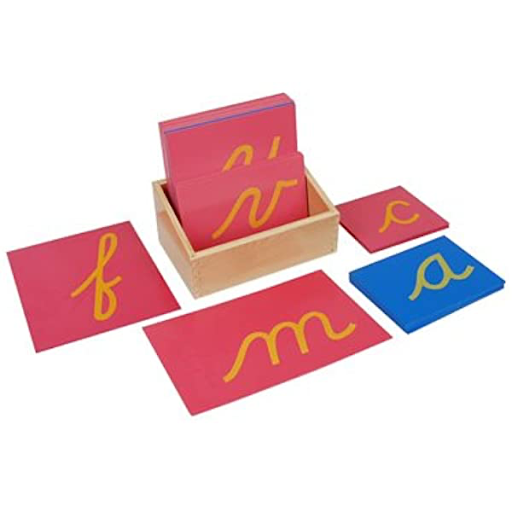
Writing Before Reading
Many of us who grew up attending traditional schools learned to read before we learned to write. We were taught the names of letters before learning the sound made by each letter. However, the Montessori sequence of lessons gives children opportunities to write before they even begin to read.
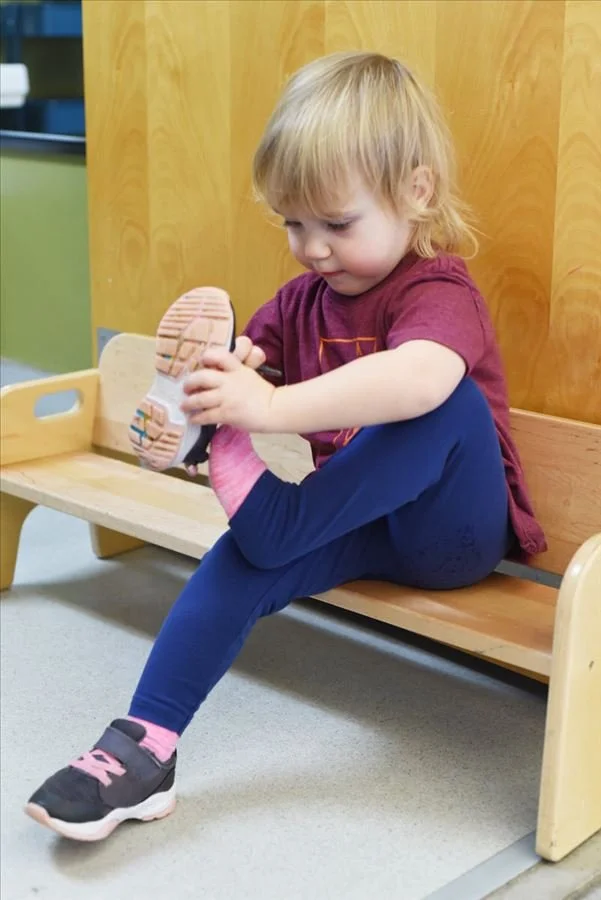
Giving Your Child the Gift of Independence
Have you noticed that all babies and young children tend to want to do things by themselves? This tendency is the beginning of independence, which promotes confidence and self-esteem as well as motivation and perseverance. It fosters self-reliance, allowing your child to feel they have control over their life. It gives your child a sense of importance and belonging which is essential for building social relationships and for contributing to the world.
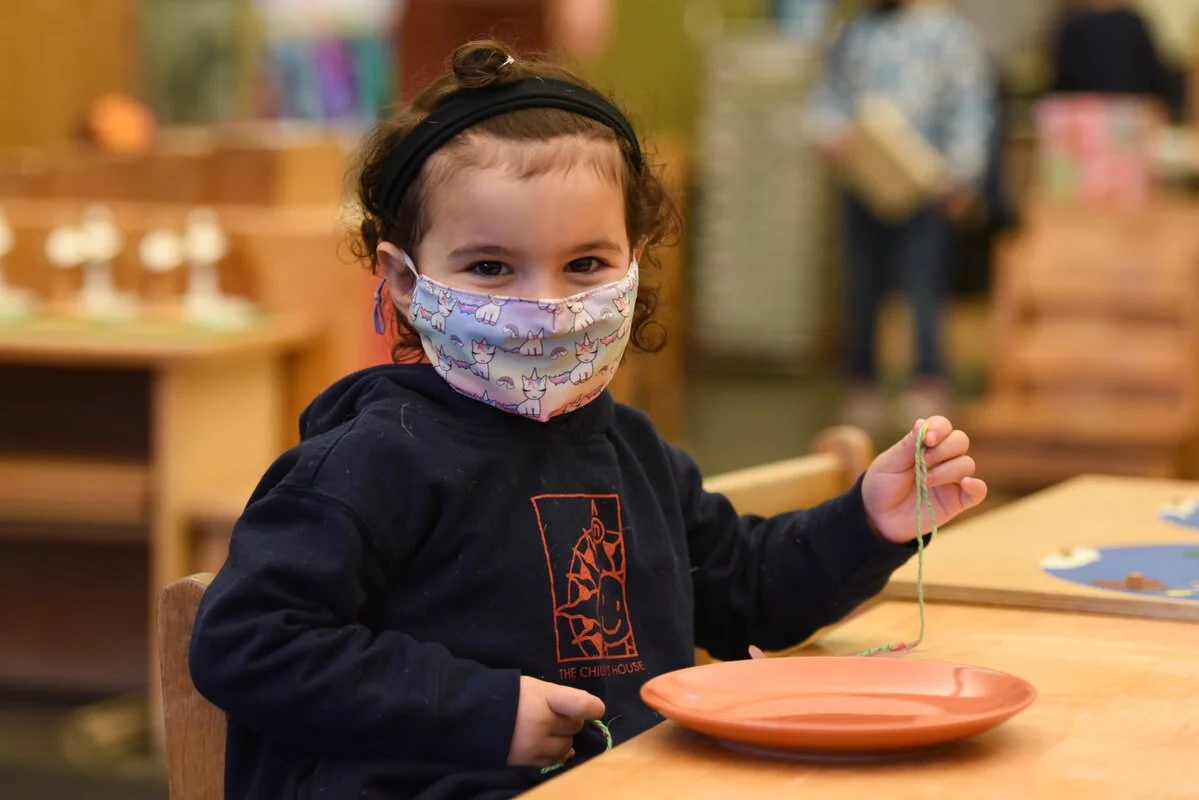
Moving up to Primary
Your child’s transition into the world of Primary is an exciting, integral part in their development. The environment that awaits them is larger, filled with wonderful new materials to explore and new friends of various ages to lend a hand and engage in more mature social interactions.