
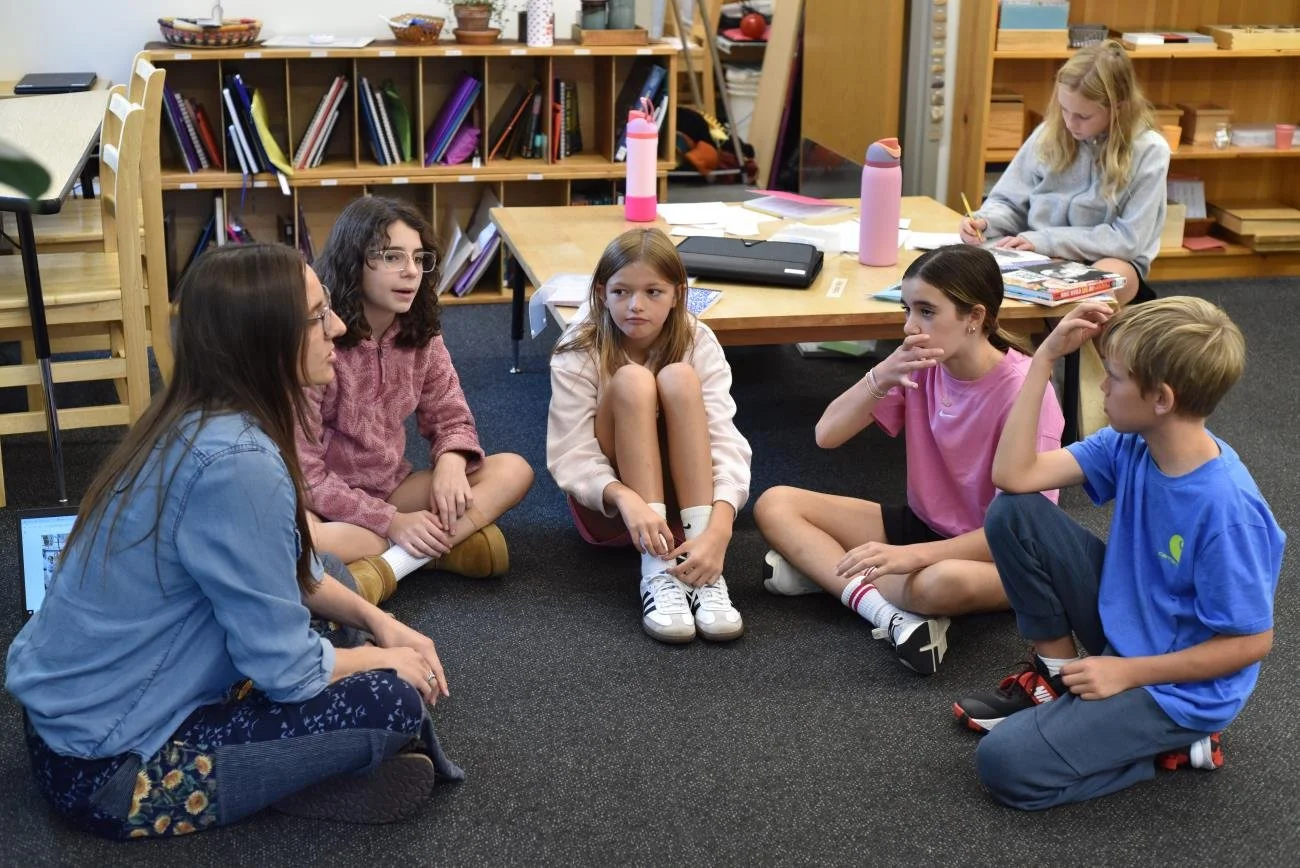
Teaching Empathy
Empathy is something that teachers experience constantly in their roles of working with children. Parents and caregivers experience this and model empathy with their children daily. We are all modeling this without even thinking about it.
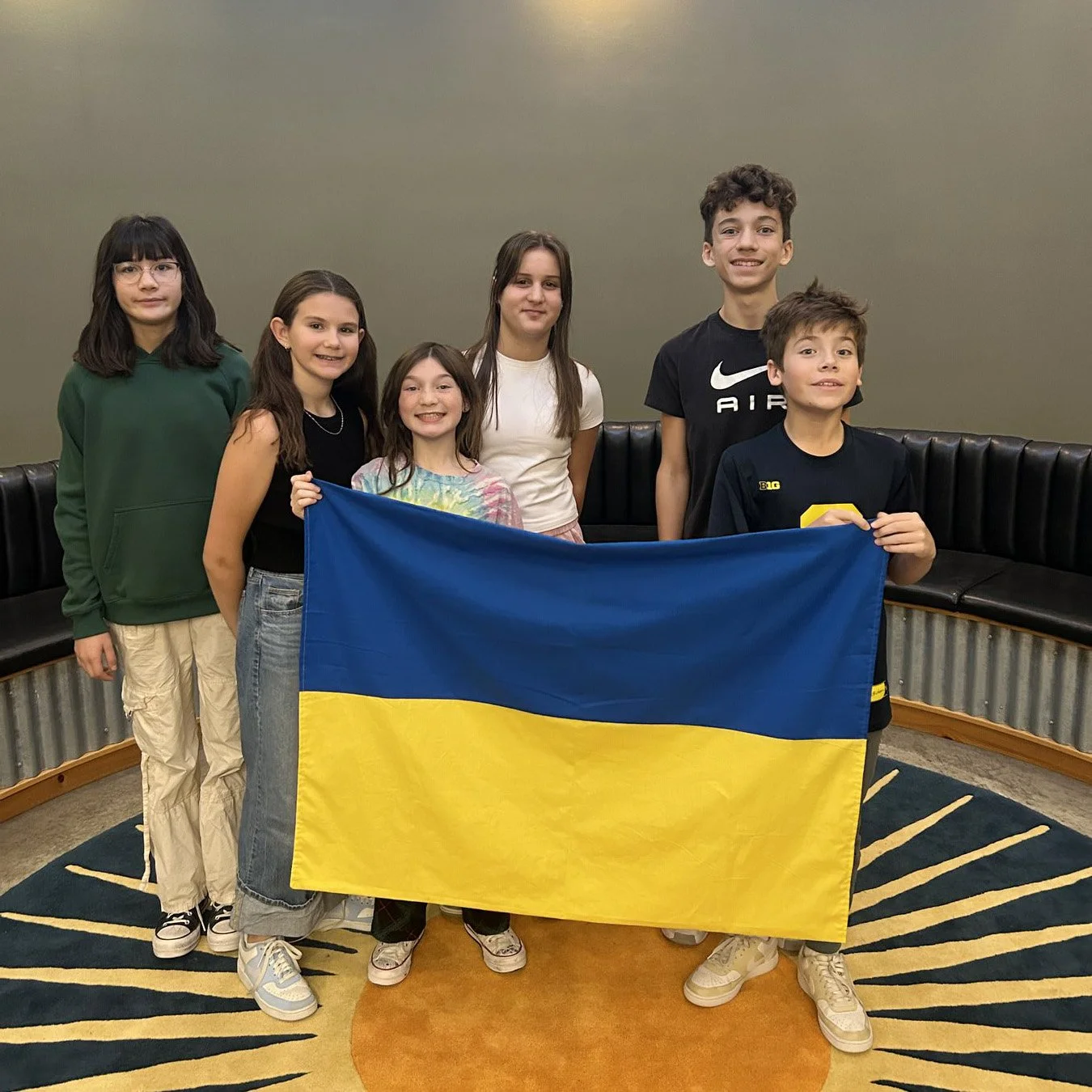
A Day in the Life of an Elementary Student
Just as each child who comes through our doors is unique and filled with amazing potential, so is each day in the life of upper elementary. Yes, we have regularly scheduled activities, but within that structure, possibilities abound.
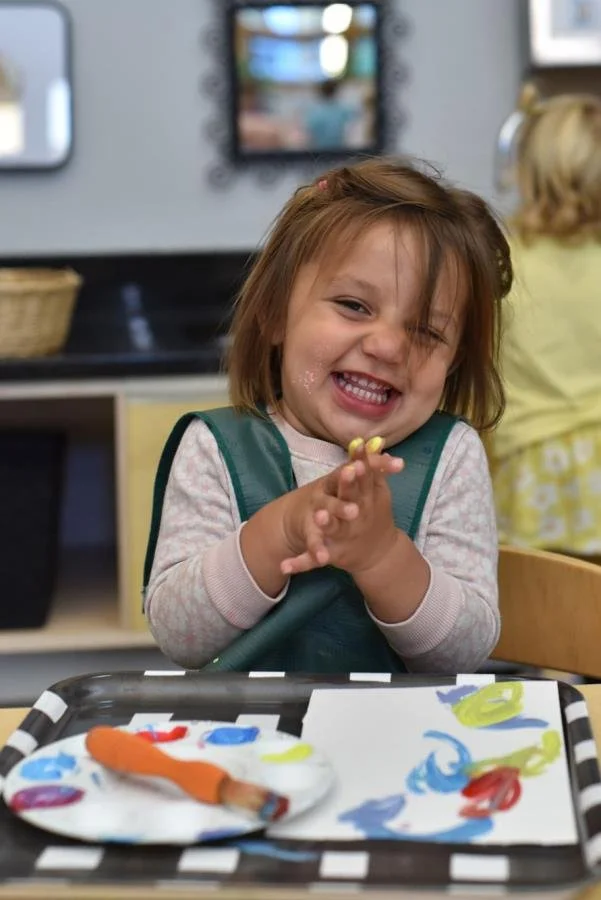
Sparking Creativity
One of the greatest joys of parenting is watching your child’s imagination come alive. Whether it’s a young child turning a cardboard box into a spaceship or a teenager composing music in their bedroom, creativity gives children a safe, joyful way to explore who they are and how they see the world.
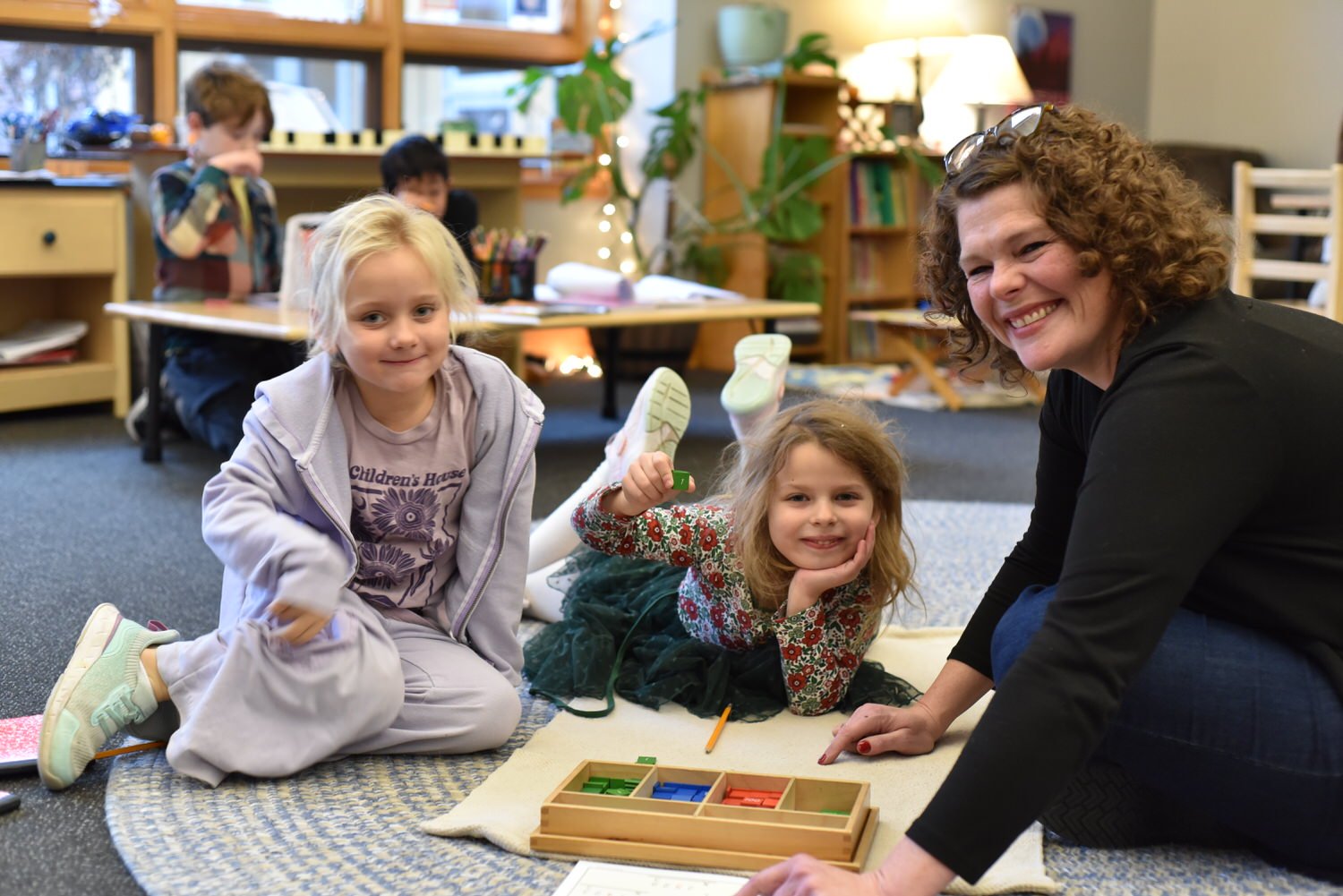
A Montessori Journey
As we closed out 2025, I found myself in a deeply reflective space. Looking back on the year felt natural, but my thoughts quickly moved beyond that and into reflection on my Montessori journey.
Interdependence: From Bread to Peace
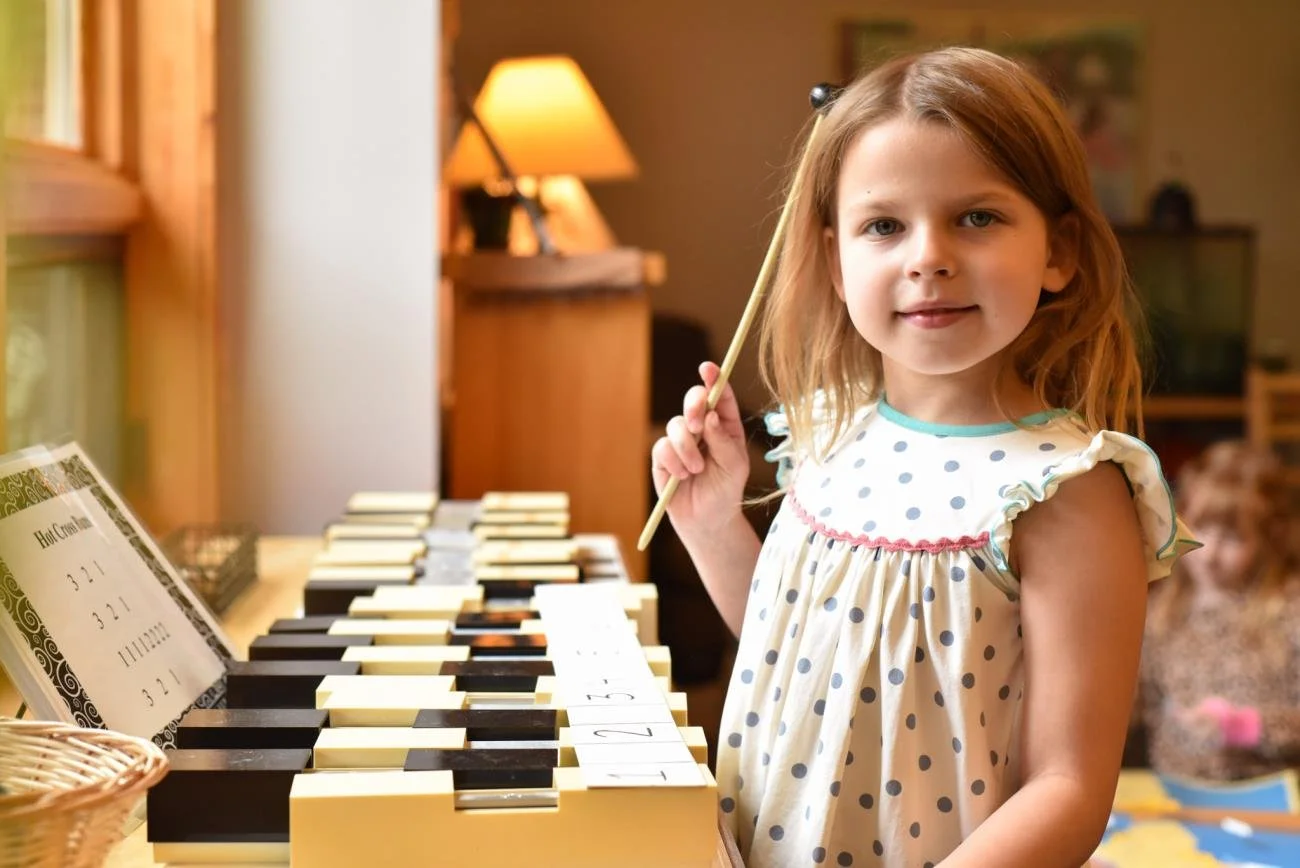
In Montessori education, few ideas are as foundational—and as powerful—as interdependence. Dr. Maria Montessori spoke and wrote extensively about this concept: the idea that everything in the world is connected, not just loosely, but deeply and necessarily.
Connecting to Learners
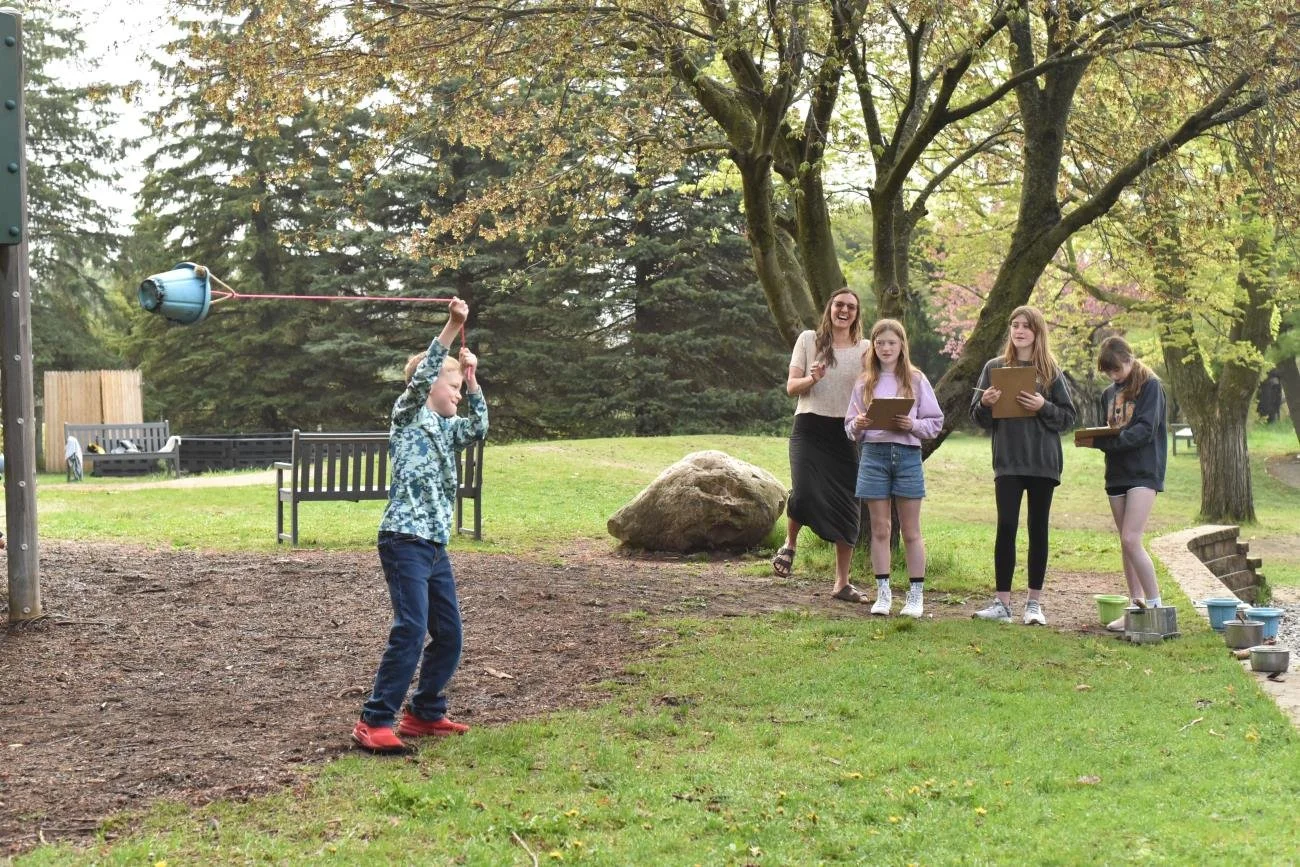
Being a Montessori Guide holds such responsibility in the care of children. Beyond providing academic lessons, we deeply understand the importance of connecting with children.
From the Garden to the Kitchen: How growing food helps us reach our full potential
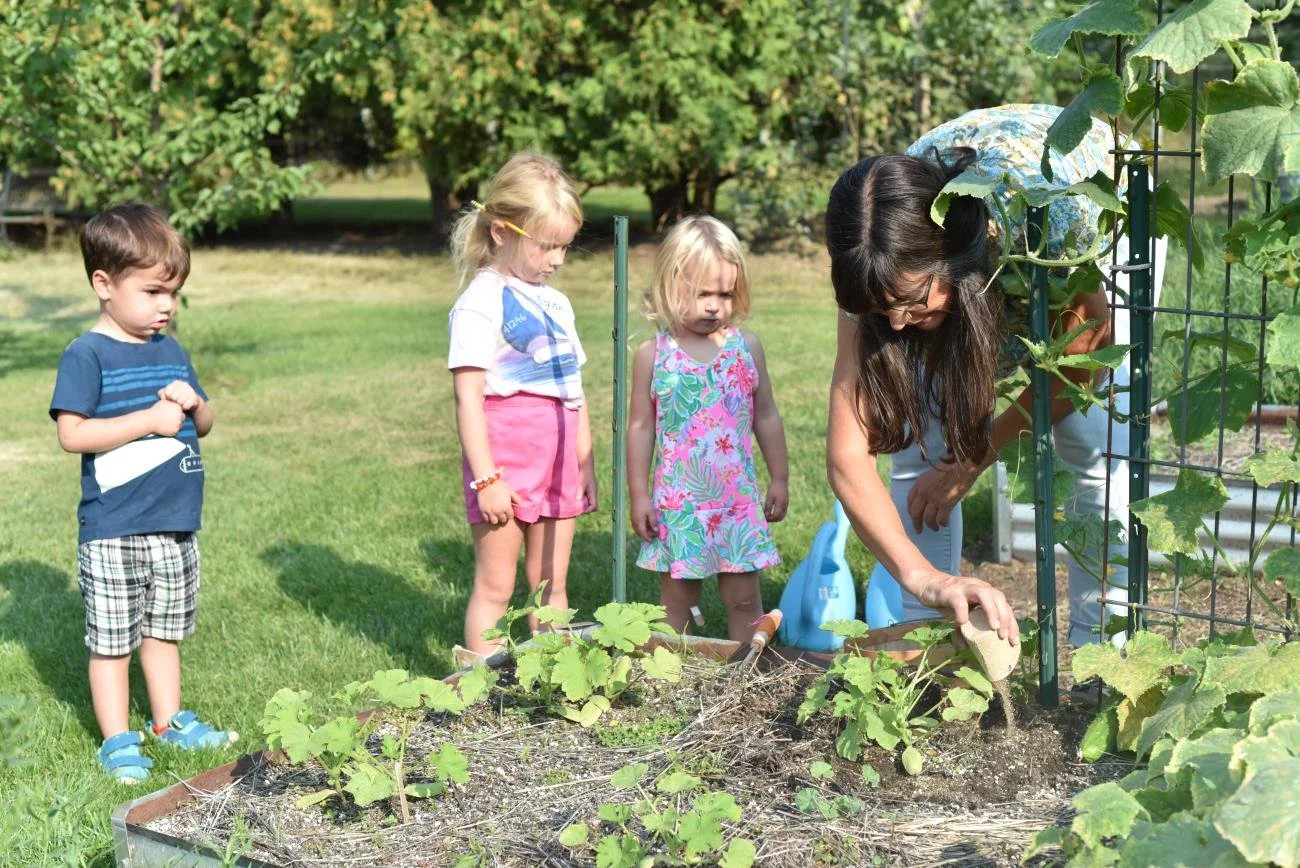
I recently had a parent ask me about our food program; the “why” behind what we do. I found myself desperate to tell her about what we do now, what we want to do in the future, and most of all, the reason we have a food program in the first place. Since I live daily with the thoughts of how to make our food program better, more local, more delicious, and more of an experience that inspires our learners…
The Role of the Adult in a Montessori Classroom
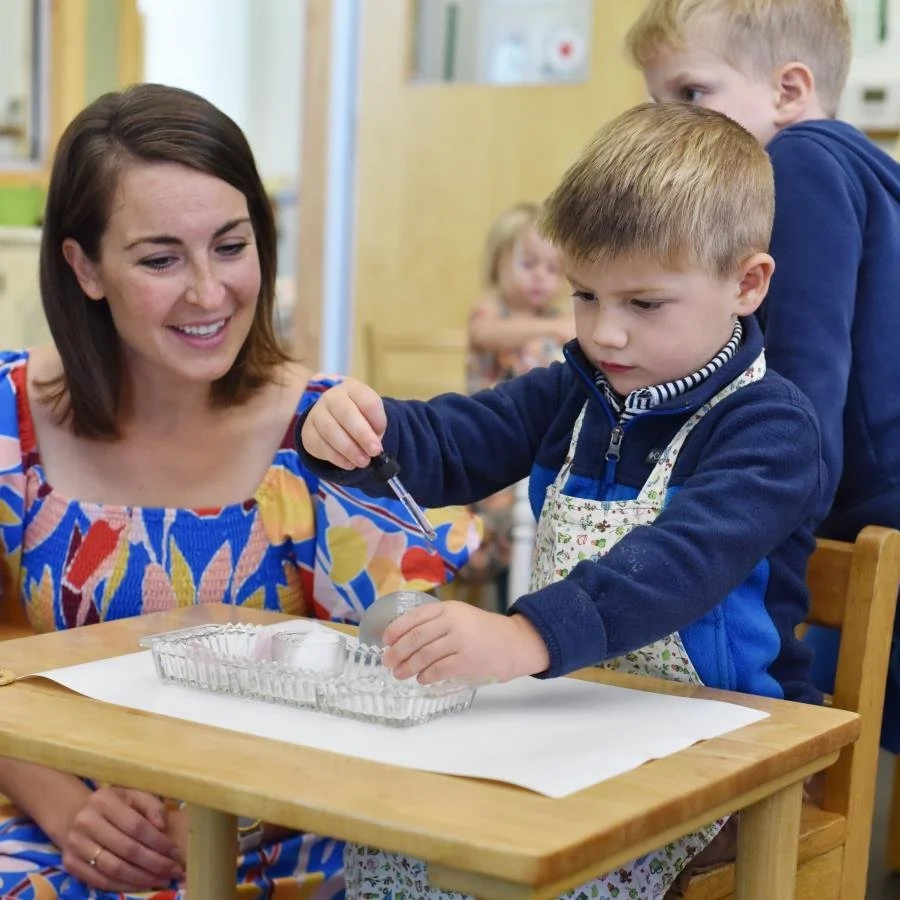
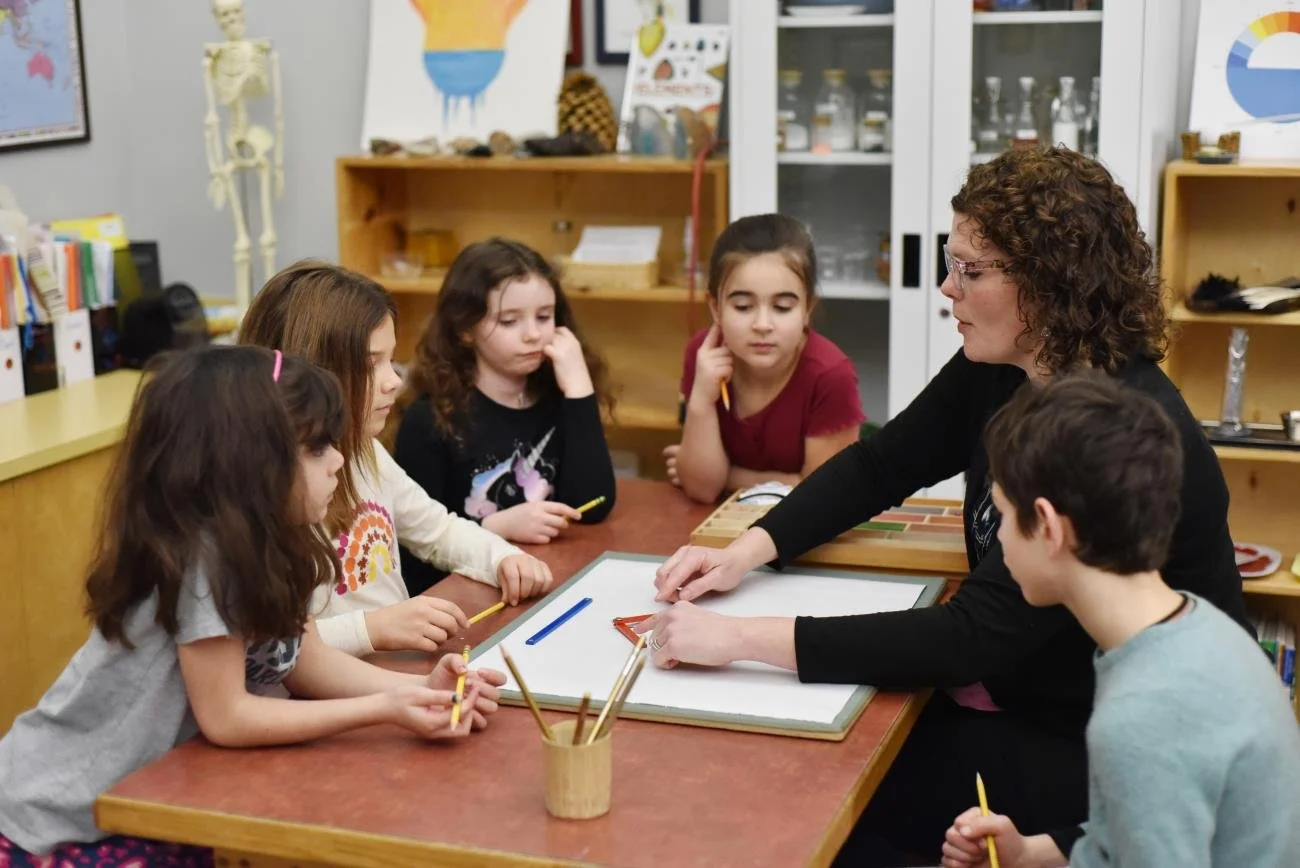
Rather than seeing children as empty vessels, Montessori teachers see a bundle of potential just waiting to be realized. With this, the focus is on discovering these hidden potentials in children and supporting their development. This happens most effectively when children are actively engaged in their learning process.
Takeaways from the First Year of Being a Montessori Guide
Every step of my journey to becoming a guide has felt fortuitous, and I attribute much of this to the unwavering support of my colleagues, family, and friends. Their efforts, going above and beyond, have made my training and my first year in the classroom a genuinely enriching experience.
Peacemakers of Our Future
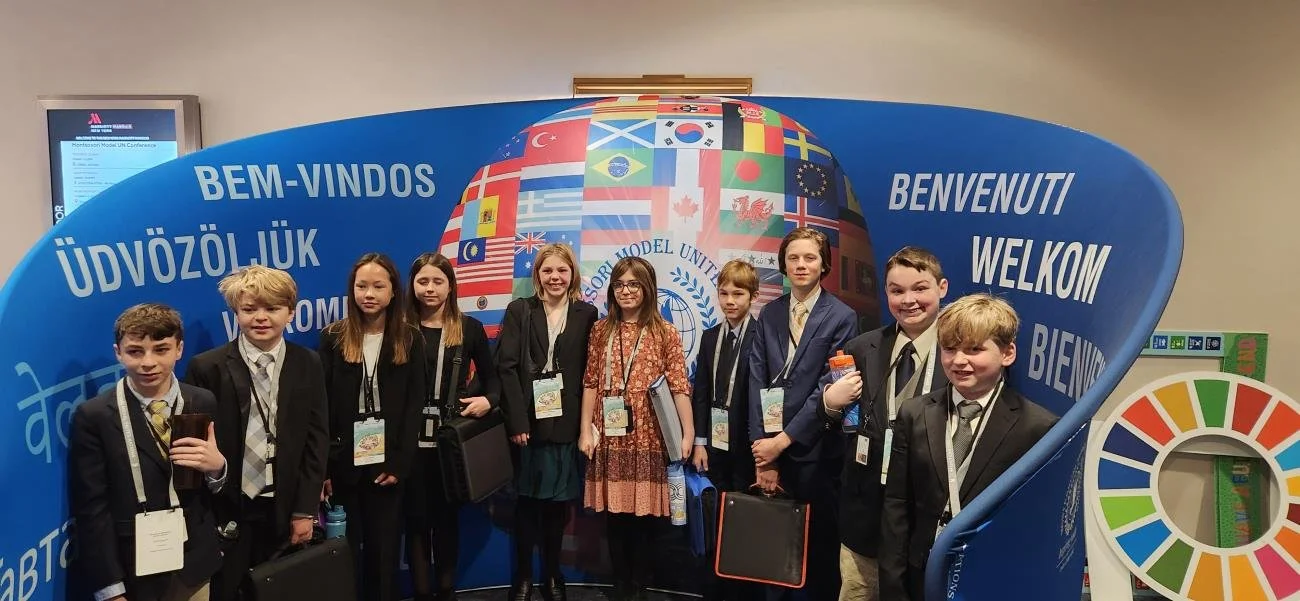
Dr. Maria Montessori addressed the United Nations Educational, Scientific and Cultural Organization (UNESCO) in 1950. She stated, "It is the young people, the children, upon whom we may base our hopes of building a better world since they can give us more than we have today, and more than we, at one time had, but have since lost.”
The Ideal Montessori Class Size Might Be Larger Than You Think
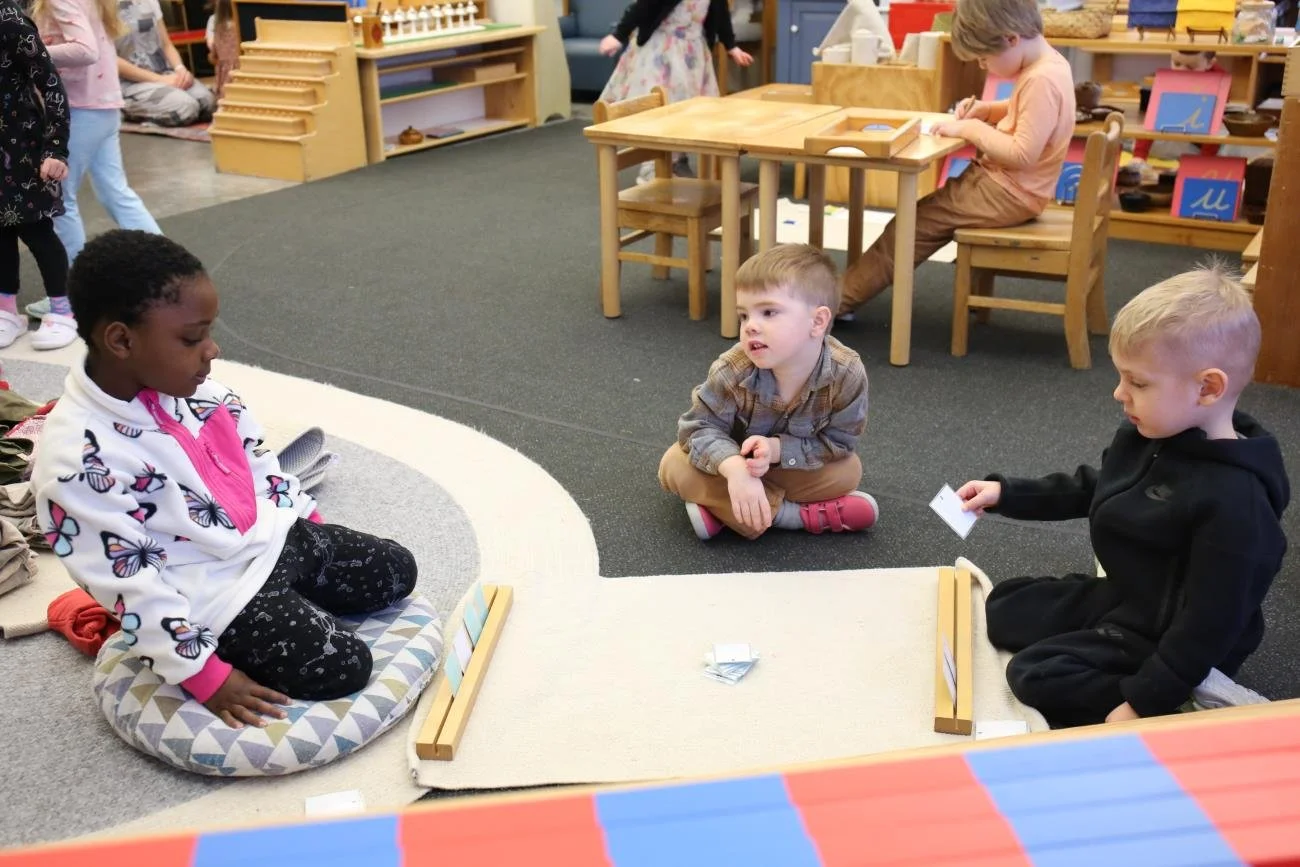
Traditionally, school quality is judged by class size. Many believe a lower teacher-student ratio means more individualized attention and larger class sizes are thought to be a sign of less instructional time. This perception is founded on the idea that children learn more when they are one-on-one with an adult. Traditional schools view teachers as knowledge transmitters and children as empty vessels waiting to be filled. Montessori schools turn this accepted theory on its head.
Life-long, Interesting Learners
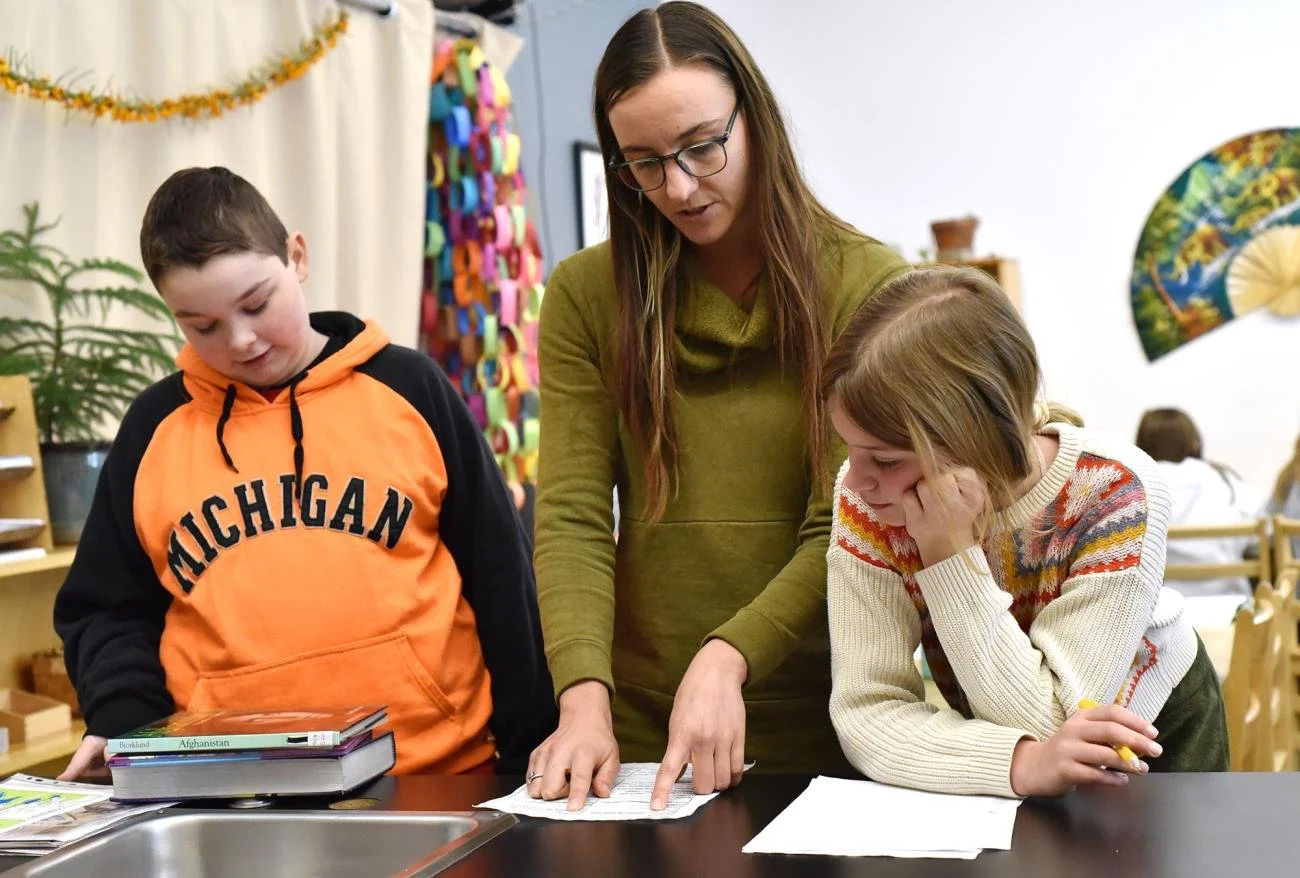
When I started my Elementary Montessori training I remember my trainer boldly telling us (maybe even yelling), "You have to be interesting to the children!" She went on to explain that we needed to have our own interests, lives, wonders, activities, and learning pursuits so that we have stories to share with the learners. Naturally, children wonder about the adults in their lives whether it is their teachers, caretakers, parents, aunts, uncles, etc. We are helping children to become life-long learners, and we need to model this ourselves!
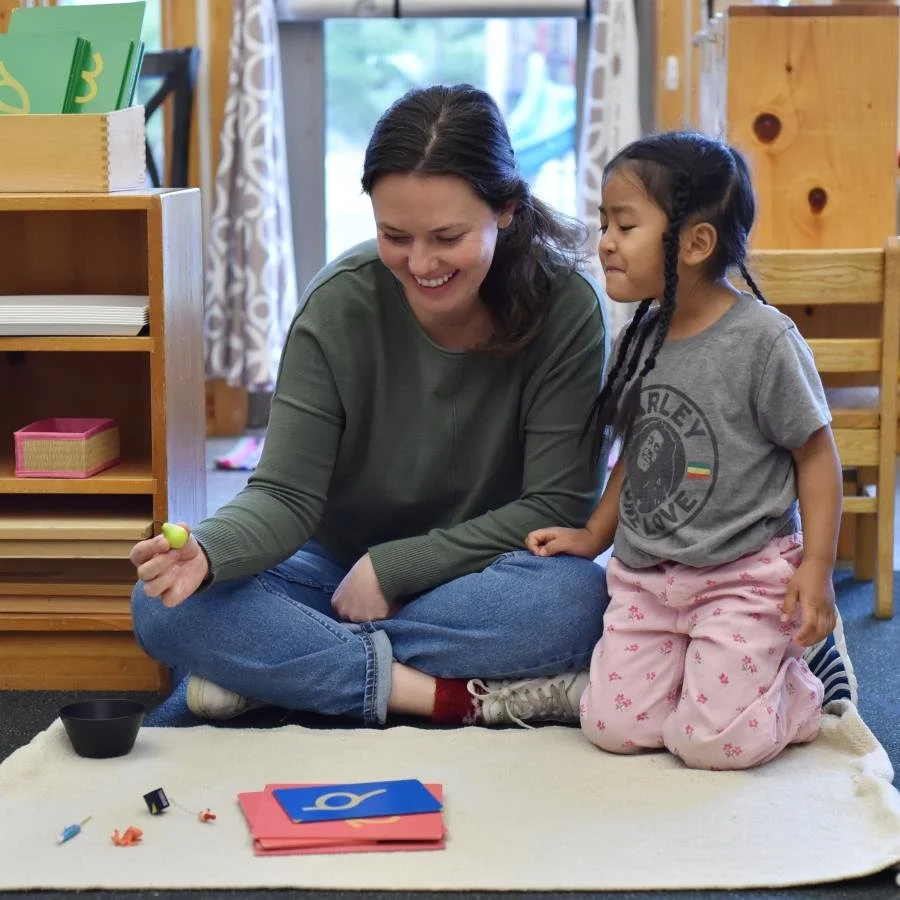
A Glimpse Into the Role of Classroom Support Staff
I remember the very first time I stepped into a Montessori Environment. I was touring Intercultural Montessori in Oak Park, IL. I was five months pregnant. The sunlight poured into the East windows, it glistened through plants and the fish tank. Children were walking, playing/working, and speaking Mandarin. They were purposeful and full of concentration. I was like a moth to a flame, I had to know more.
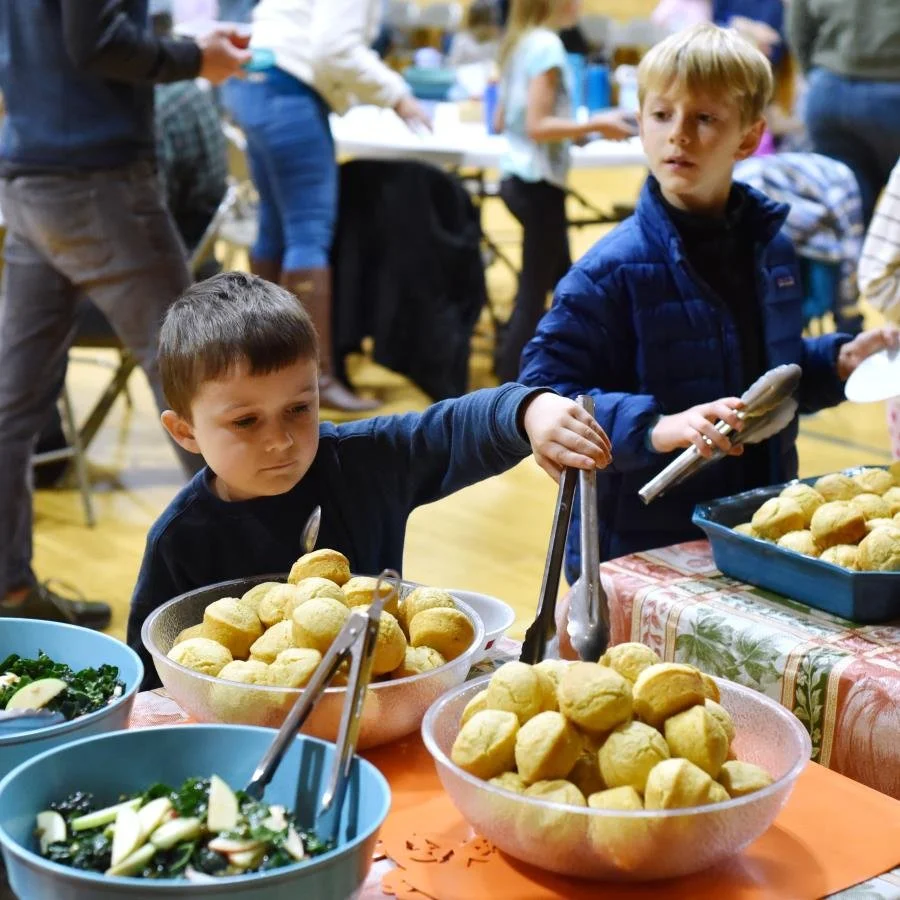
Celebrating the Harvest
As I settle into my third year at The Children’s House, I finally feel I trust myself to take some of our past traditions and modify them to work with the changes that our school has undergone through the years. The many traditions at our school have grown organically, a mish-mash of cultural interests and the love that our staff feels for the children here. The teachers, staff, and administration are always striving to give the children something delightful and meaningful to participate in. The Fall Festival is one such tradition, handed down to the Kitchen Director through the years as a celebration of our Earth to Table program.
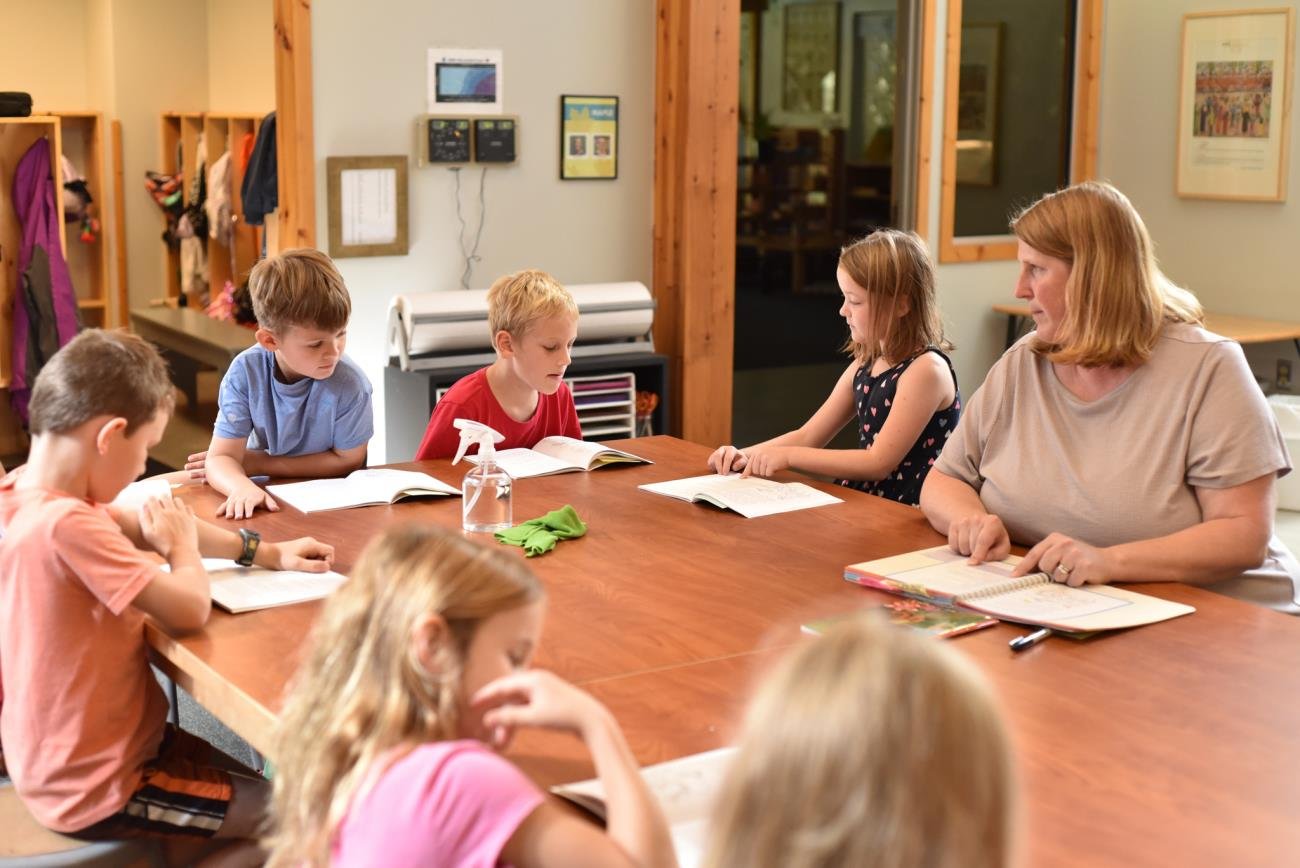
Reading to Learn
How does the process of learning to read look in a Montessori classroom? Montessori has what can be called a balanced literacy approach to language. This means that there are both spoken and written components that come together in a variety of ways, over time, and in all areas of our school.
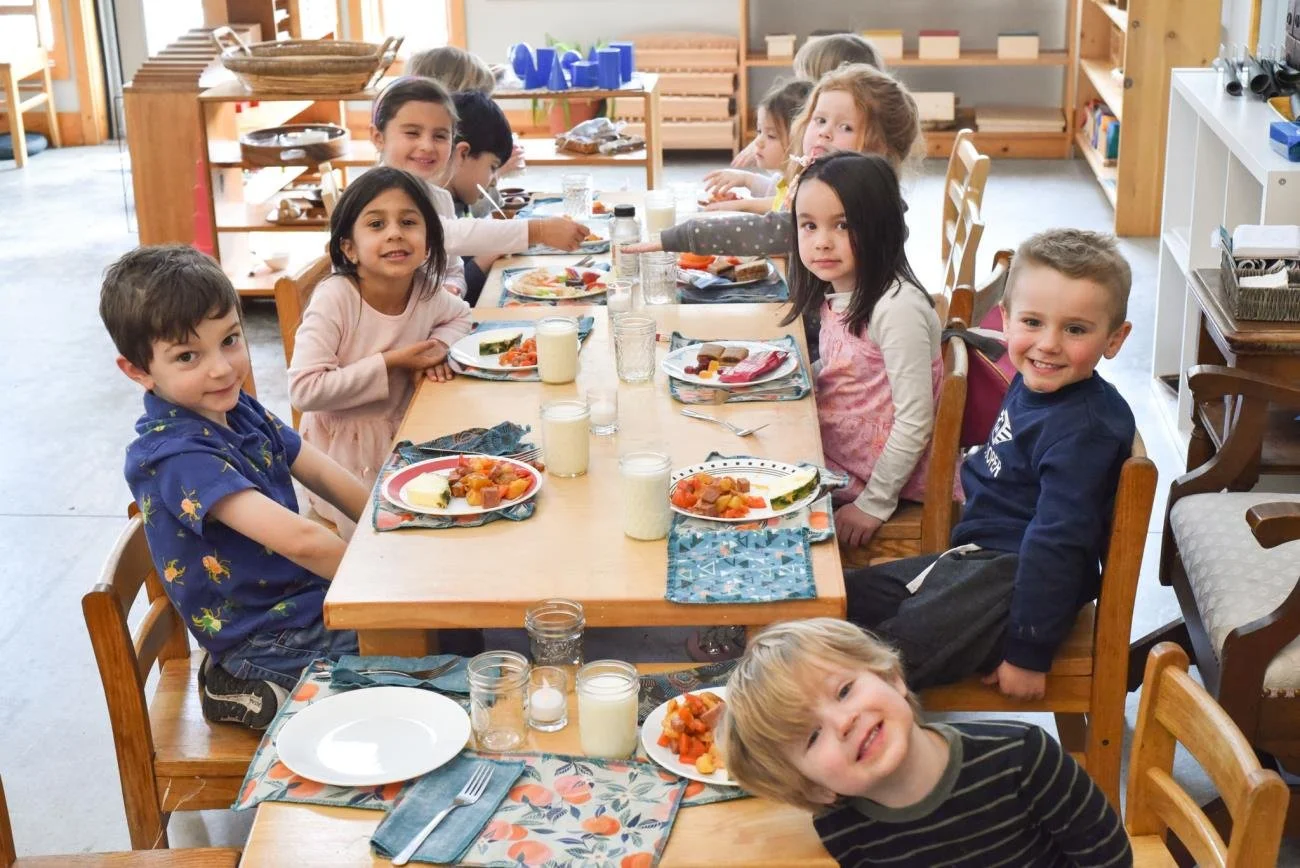
Food Feelings, Choices, and Stigmas
We had a lot of talk in the classroom about candy and treats upon our return from the Easter weekend. I thought this would be a great time to open a discussion about how we handle the variety of foods we make available to children. There is a shifting trend, particularly in the parenting arena, where we are asked to stop placing foods into a hierarchy.
Cosmic Education
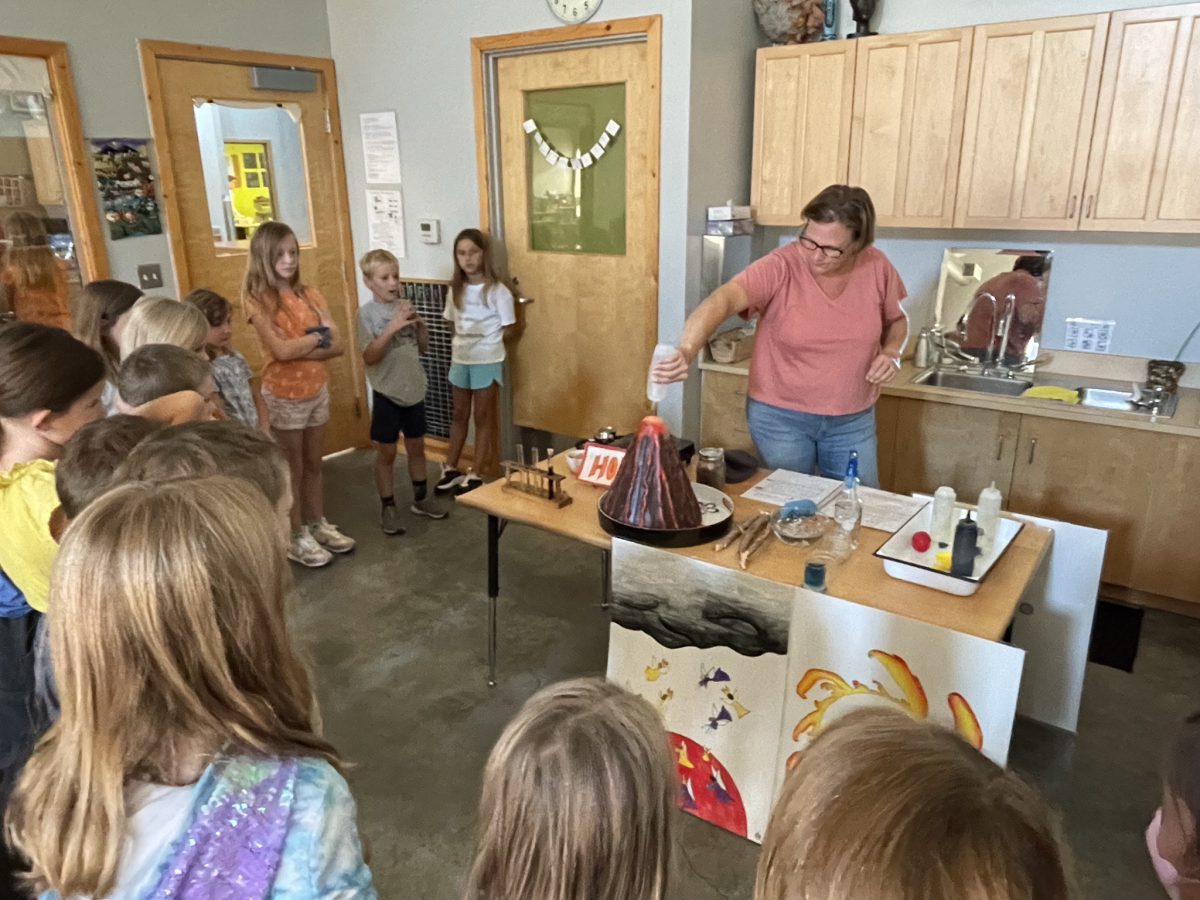
Dr. Maria Montessori’s development of Cosmic Education came out of her observation of children. She recognized the characteristics of elementary children by how they interacted with one another and listened to the questions children asked. Cosmic Education begins with the presentation of the first great story, which tells the story of the universe, and hopefully gives the children a sense of awe, wonder, and connection.
Raising Generous, Community-Minded Children
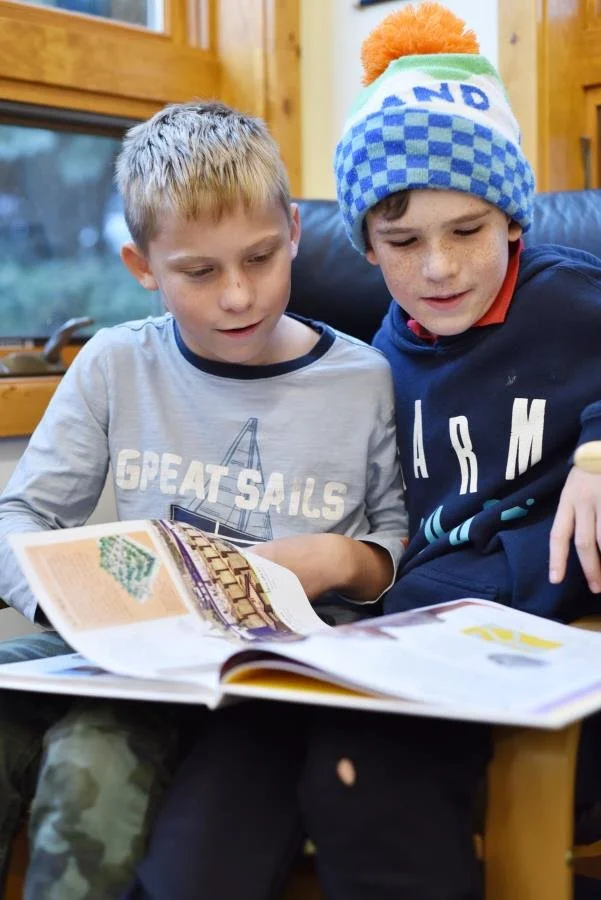
In Montessori classrooms we talk about how we are a community and what that word means. We collaborate, learn to communicate and solve conflicts by listening, and get to know each other individually. We celebrate our uniqueness and allow each other to be ourselves. We talk about the need to help and support each other.
From Concrete to Abstract
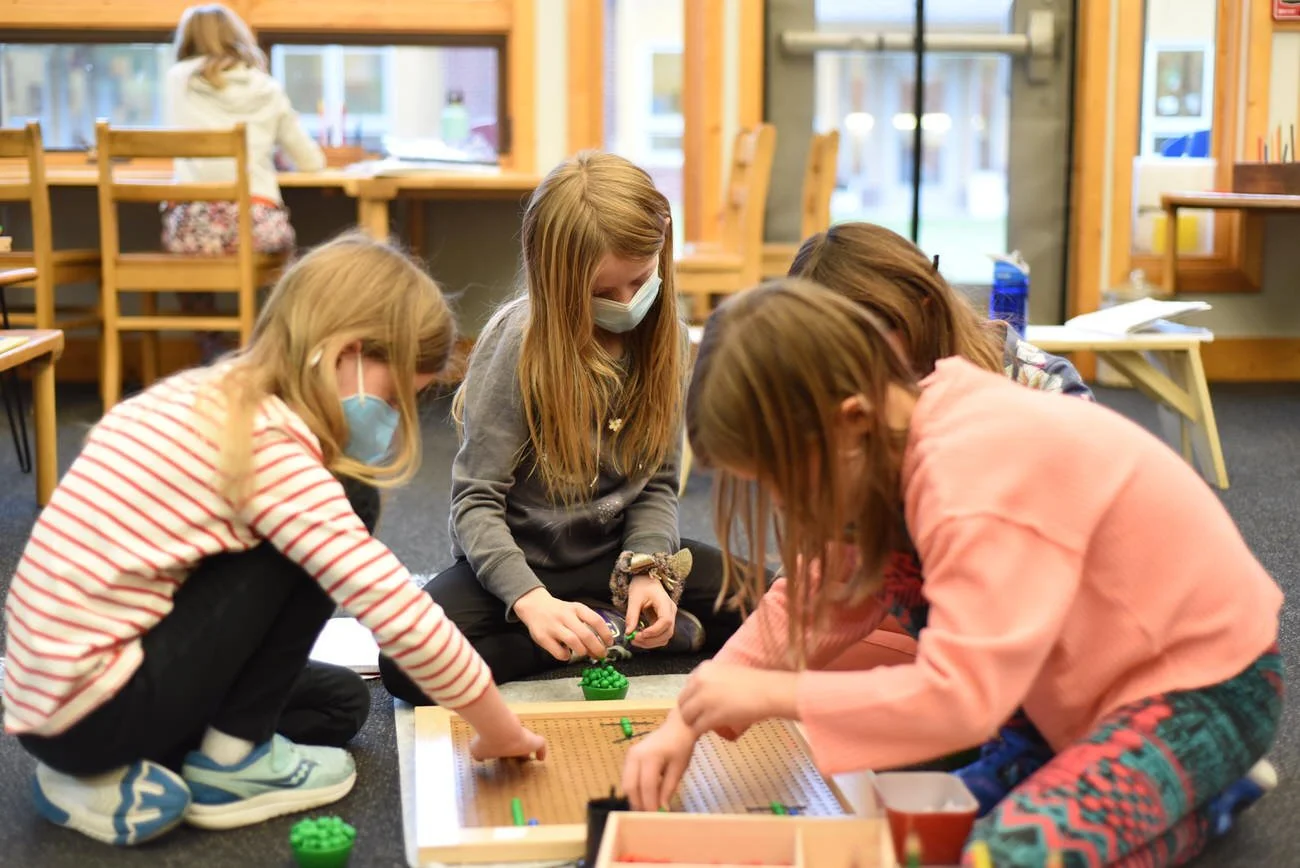
Walking into a Montessori elementary classroom, you will more than likely find a group of children moving beads from tubes to a set of boards, as well as transferring these colorful beads between one another. From a distance, it may look like the children are playing with beads. But on closer observation, the children are actually discussing and working through a long division problem.
Freedom and Limits
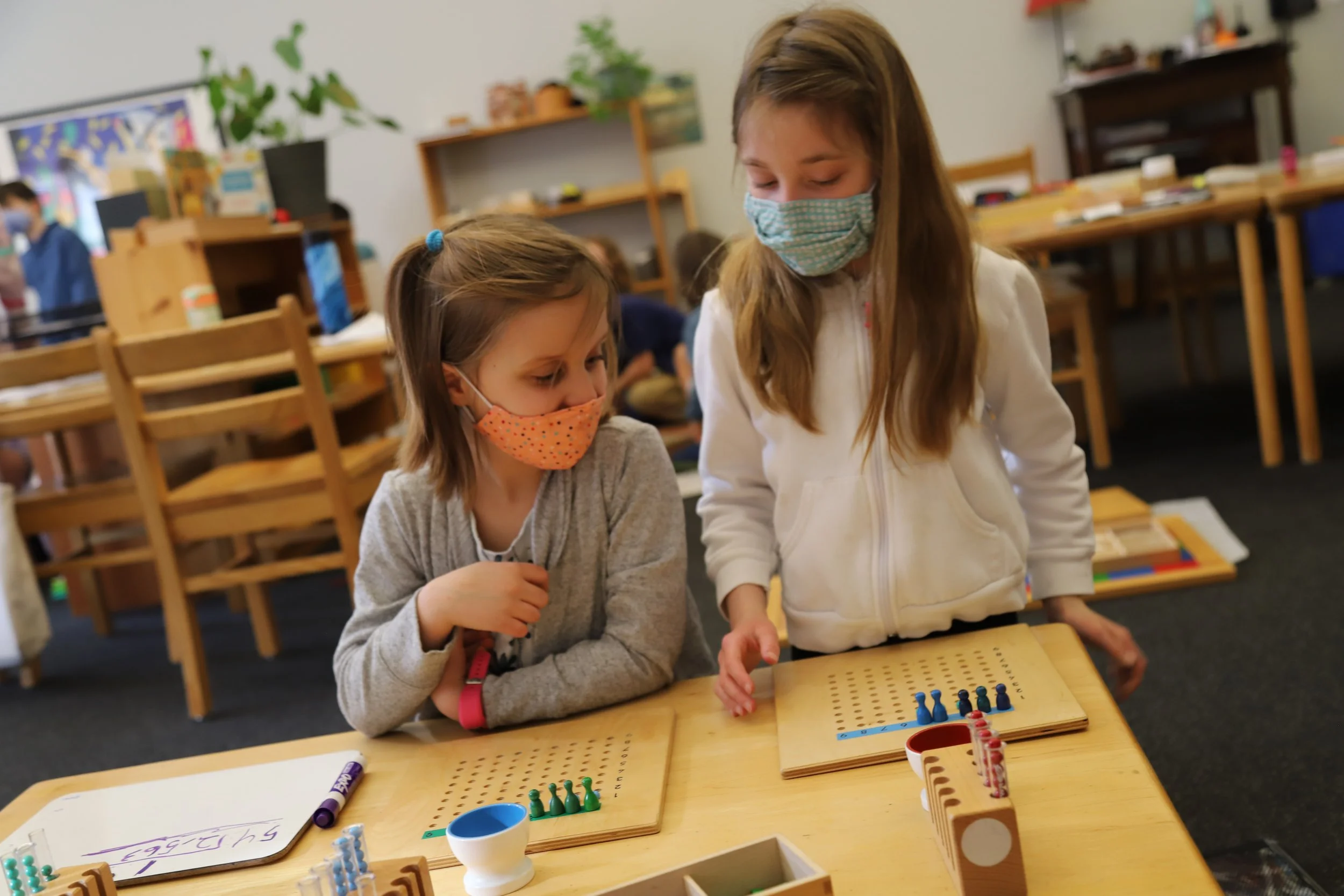
Joyful learners abound in every classroom at The Children’s House. You can see students happily skipping across the room, some fiercely engaged in their work, while others banter over the nuisances of their collaboration. I believe a key force in this engagement is the foundational principle of the balance of freedom and limits.