
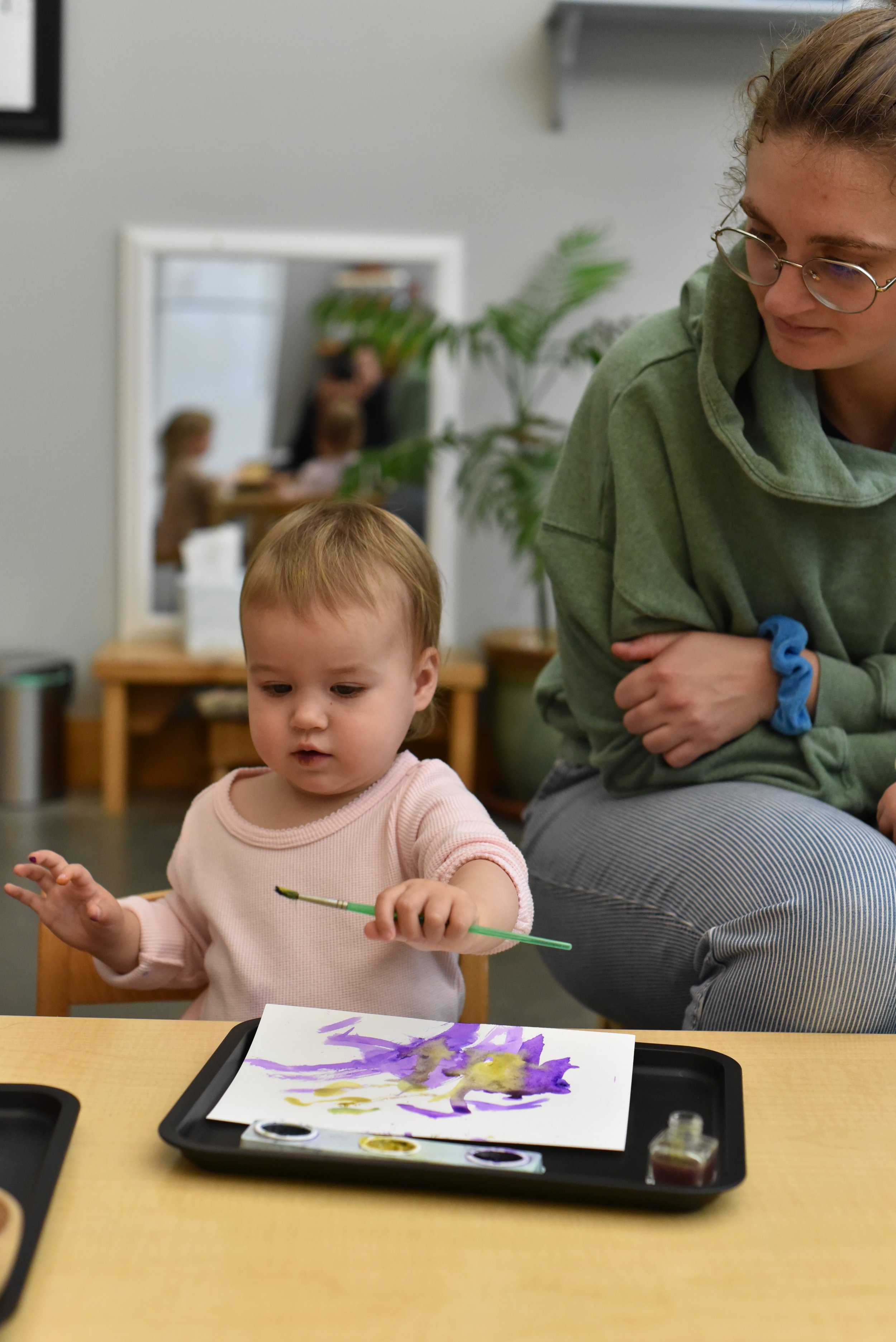
How to Observe in a Montessori Classroom
The Montessori environment integrates all aspects the child needs to be successful. Mastery over the environment begins when the child becomes aware of their actions in and on the environment and, for some, this may be their first experience outside of the home. The classroom supports all of what’s to come and is the physical, psychological, and social foundation for growth.
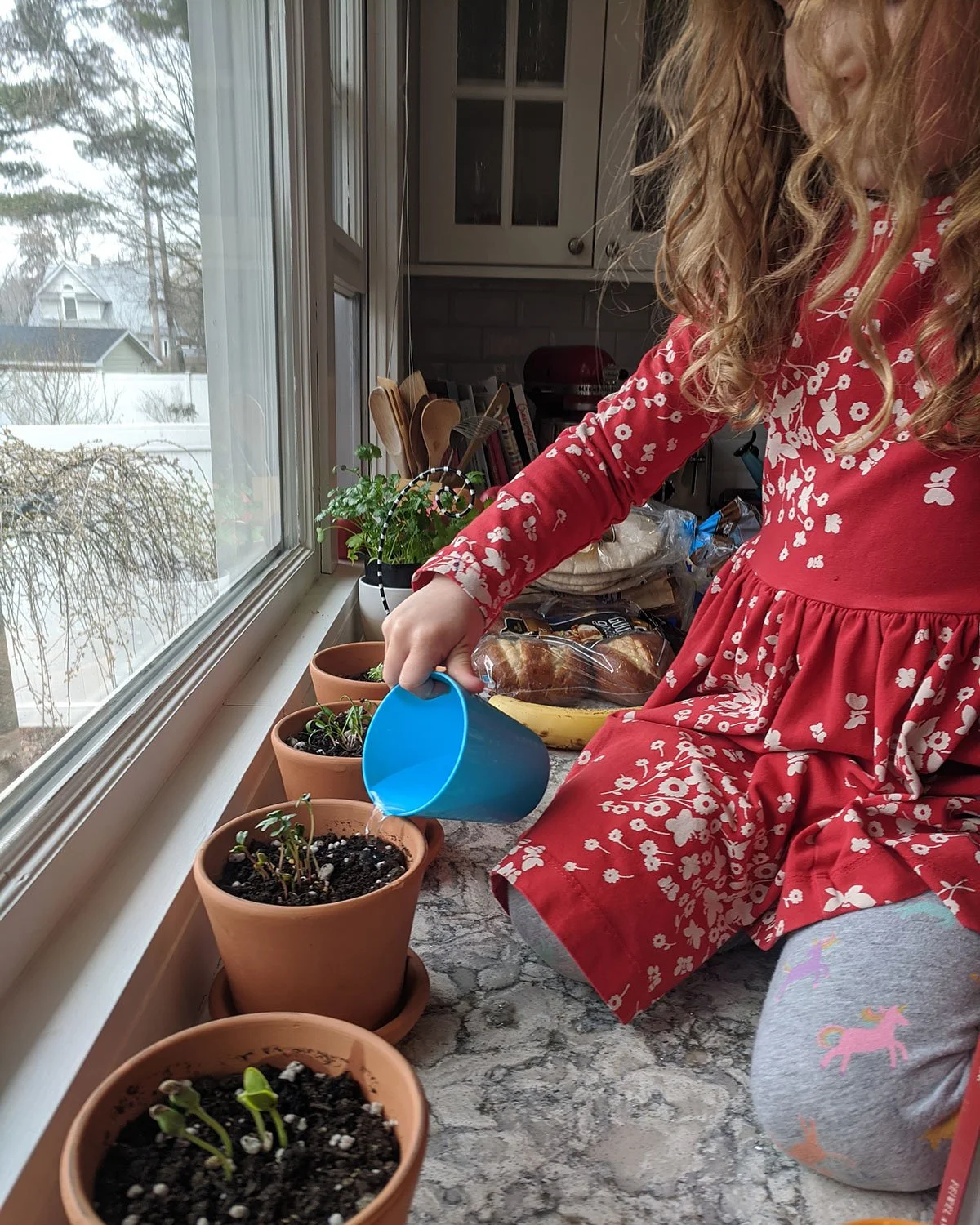
4 Ways to Integrate Montessori at Home
Encouraging order, independence, and self-motivation is fundamental to the Montessori approach. At school, carefully designed classrooms allow students to develop competence in caring for themselves and their surroundings. Here are four ways you can support your child’s Montessori education at home…
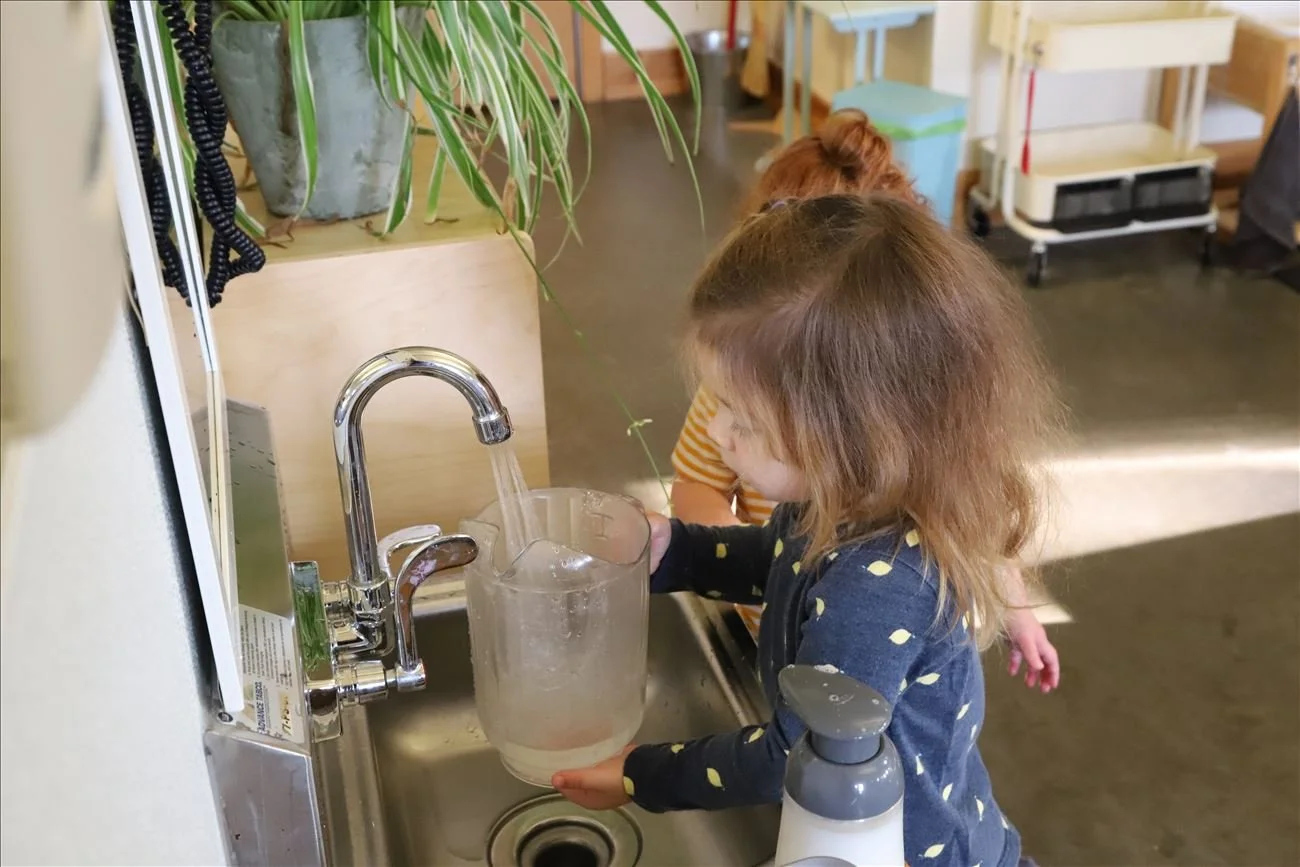
Fostering Independence
In a Montessori environment, the goal for children at any age is independence. Dr. Maria Montessori envisioned a world where we live in harmony and are mutually reliant on one another. Still, she recognized that this is only possible when individuals are able to satisfy their own needs first.
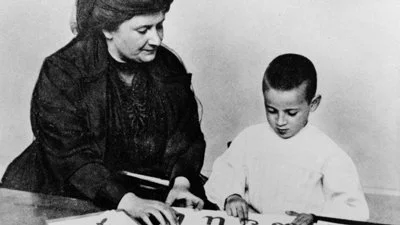
Human Needs and Tendencies
We know Dr. Montessori was a scientist, she observed children and made groundbreaking observations about the way they learn. Perhaps, more admirable is the way she connected childhood to being human. She made it possible for adults to see children as extensions of themselves, working towards the same goals and deserving of the same treatment.