
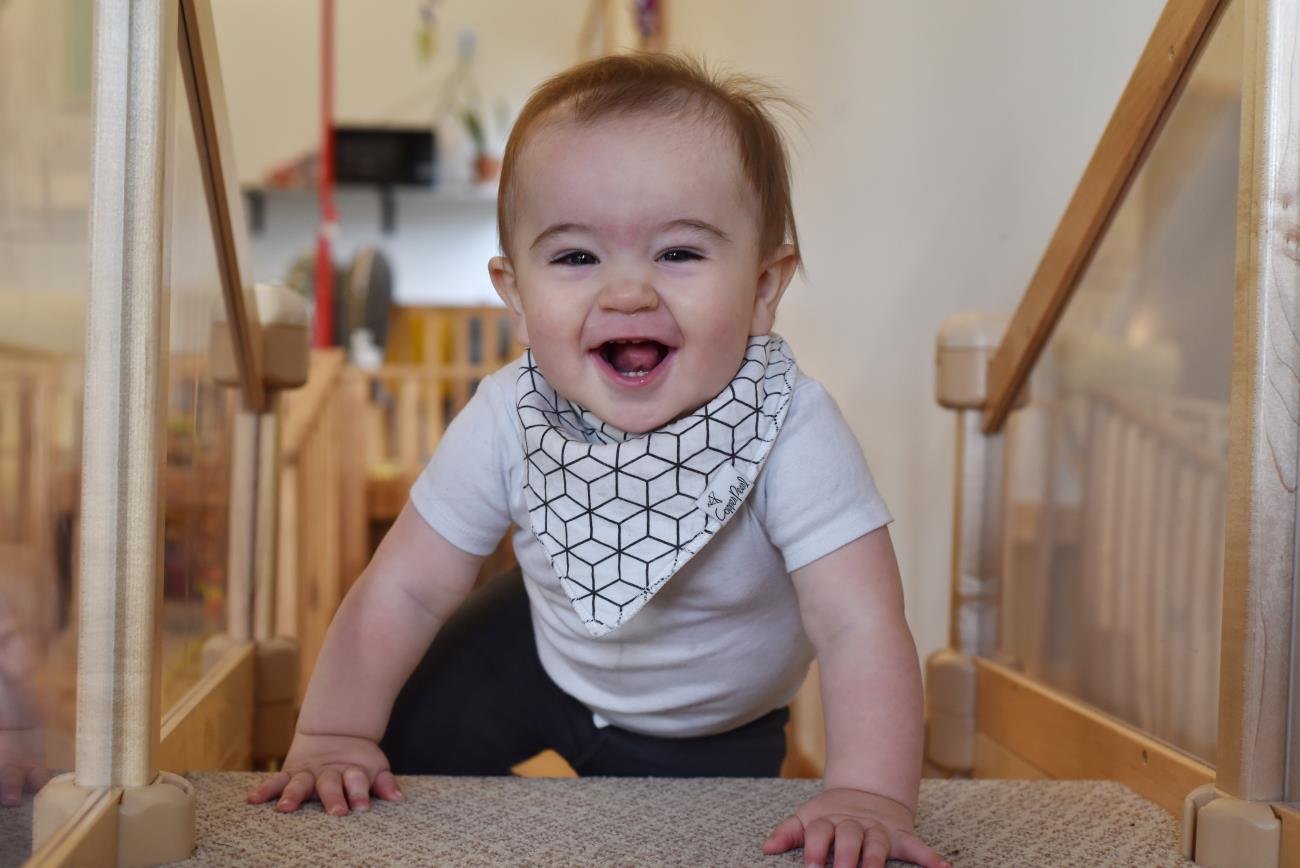
Believing in the Child
The role of the adult is not to pave a pathway for the child, but to make sure that the child has what they need to forge their own way. The greatest way for us to support children is to treat them with constant love, trust, and respect. It is so important that each child feels loved just as they are.
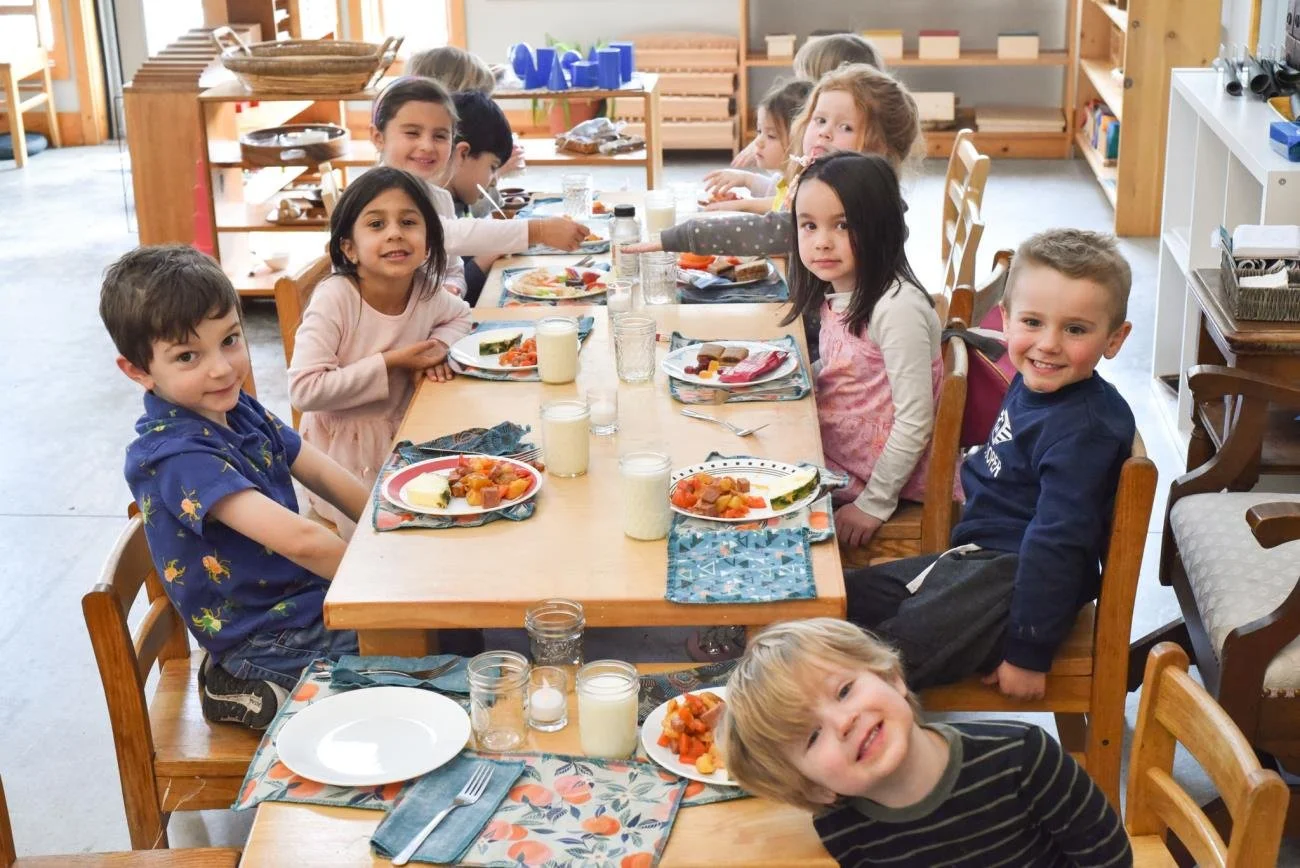
Food Feelings, Choices, and Stigmas
We had a lot of talk in the classroom about candy and treats upon our return from the Easter weekend. I thought this would be a great time to open a discussion about how we handle the variety of foods we make available to children. There is a shifting trend, particularly in the parenting arena, where we are asked to stop placing foods into a hierarchy.
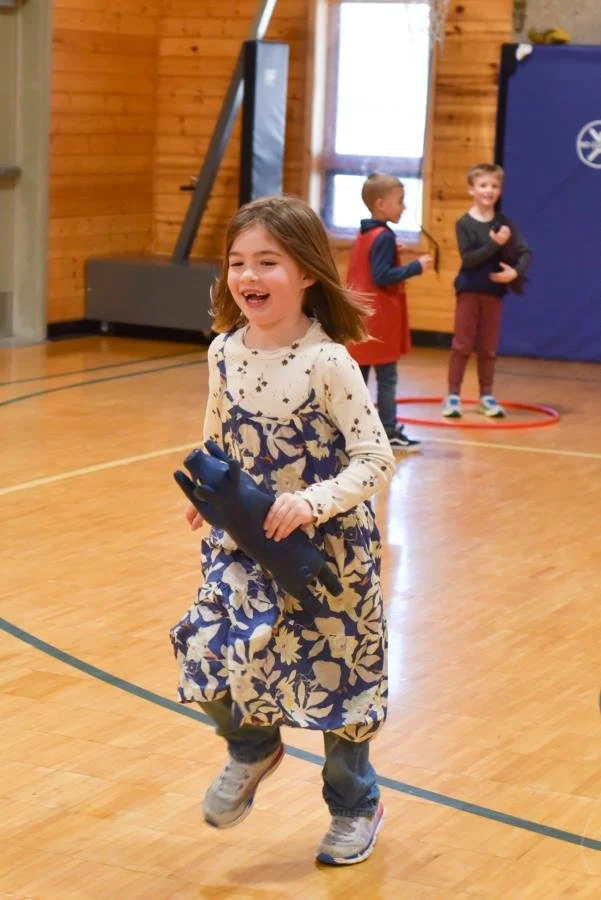
Movement and Mindfulness
Maria Montessori said, “Play is the work of the child”. When children are allowed to learn through play they can satisfy their curiosity about the world, learn, and have fun all at the same time.
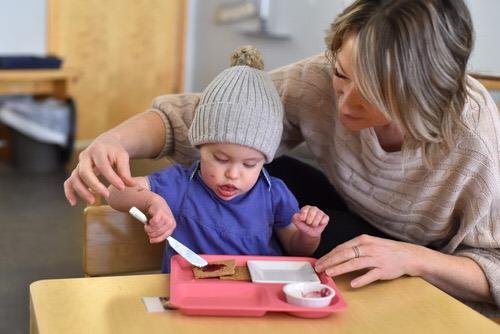
A Path Toward Independence
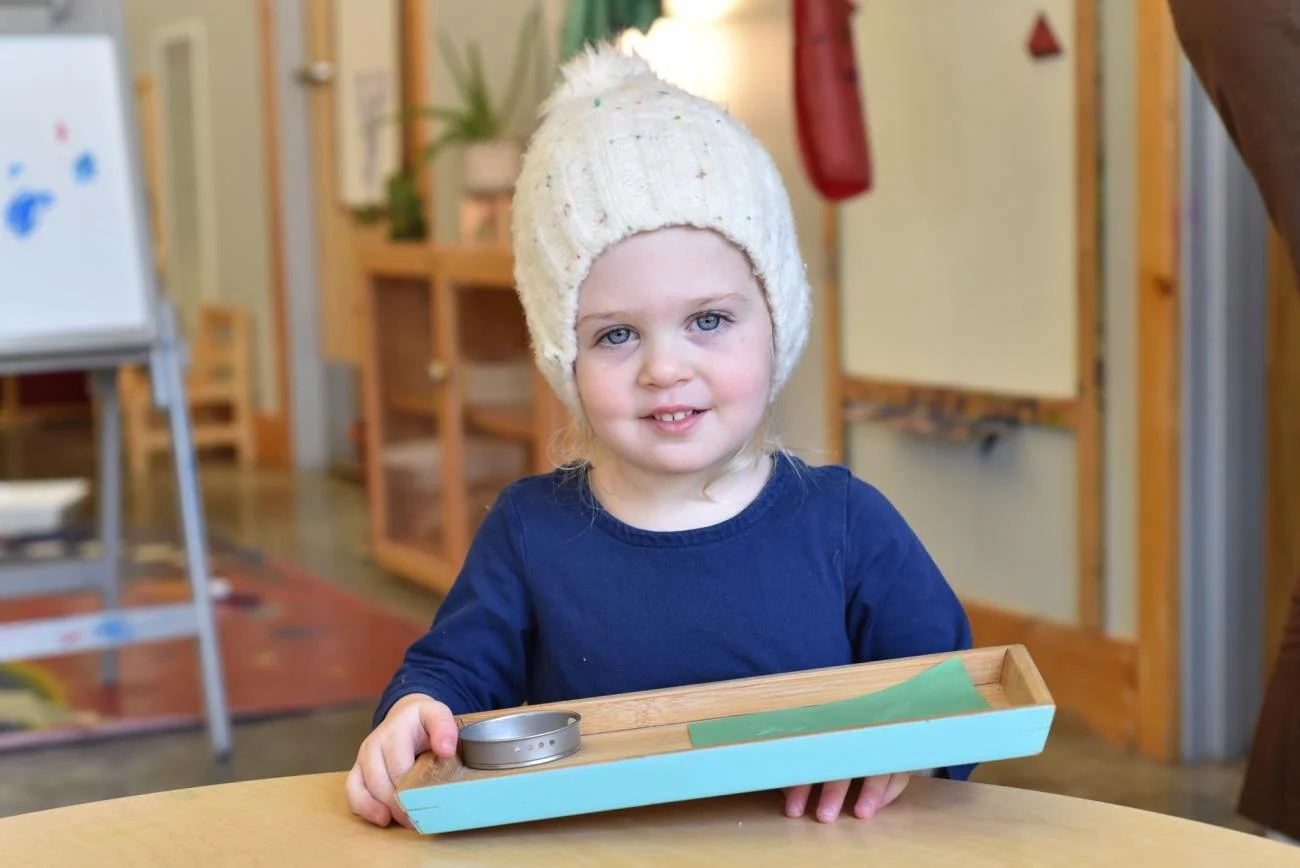
“Help me to do it myself” is a well-known Montessori expression referring to a core component of the philosophy, encouraging and nurturing independence.
Consistency of Expectations
It sometimes feels uncomfortable for adults to set up limits and discipline the child. We all carry baggage from our childhood when it comes to memories of being disciplined. The word “discipline” brings negative feelings, and as a result we are sometimes reluctant to set limits to a child's actions, worrying that it may squish their personality. As a result we end up negotiating endlessly with a child who quickly learns that all limits are negotiable.
Diversity, Equity, Inclusion, and Belonging at the Children's House
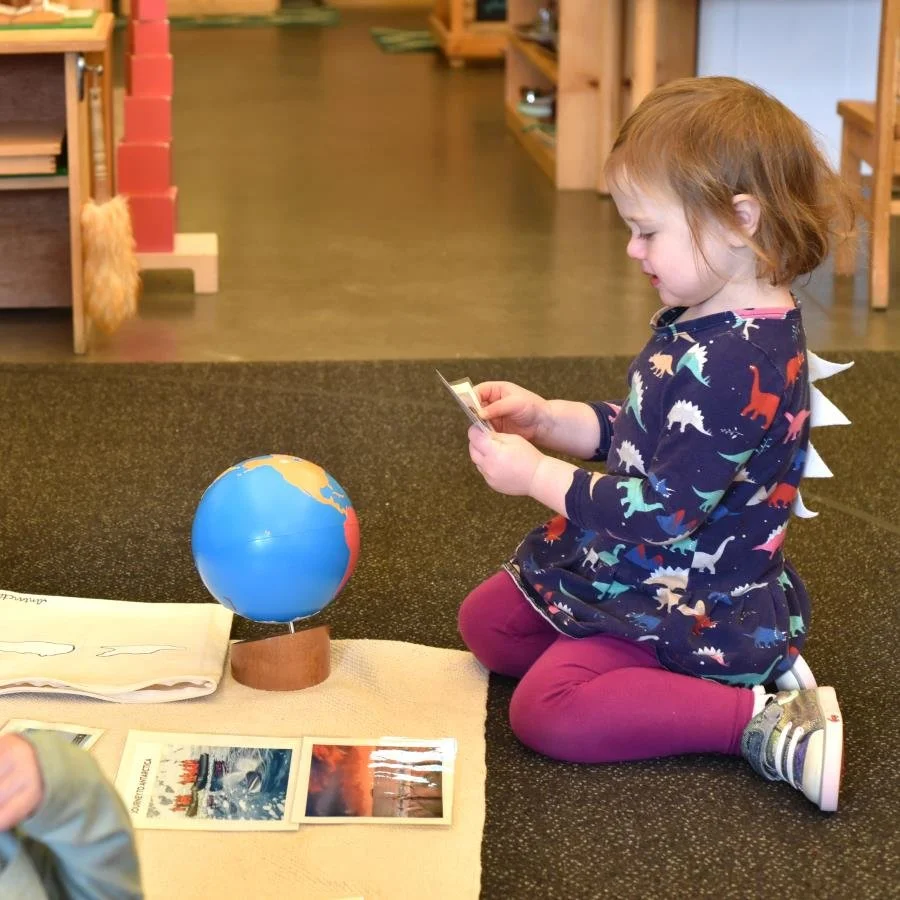
Dr. Maria Montessori believed in the value and worth of every child from the beginning of developing her pedagogical model for education. In Montessori schools, community is based on the assumption that every human being has value, gifts, and contributions to make. Classrooms are carefully prepared to promote inclusion, collaboration, valuing the perspective of others, and fostering a strong sense of self-worth.
Montessori Junior High: an Education for the Future
A parent of a current student recently asked us: “If you had to describe Compass Junior High in ten words or less, what would you say?” This question got us thinking about all the things that make Compass unique – and there are a lot of them.
Cosmic Education
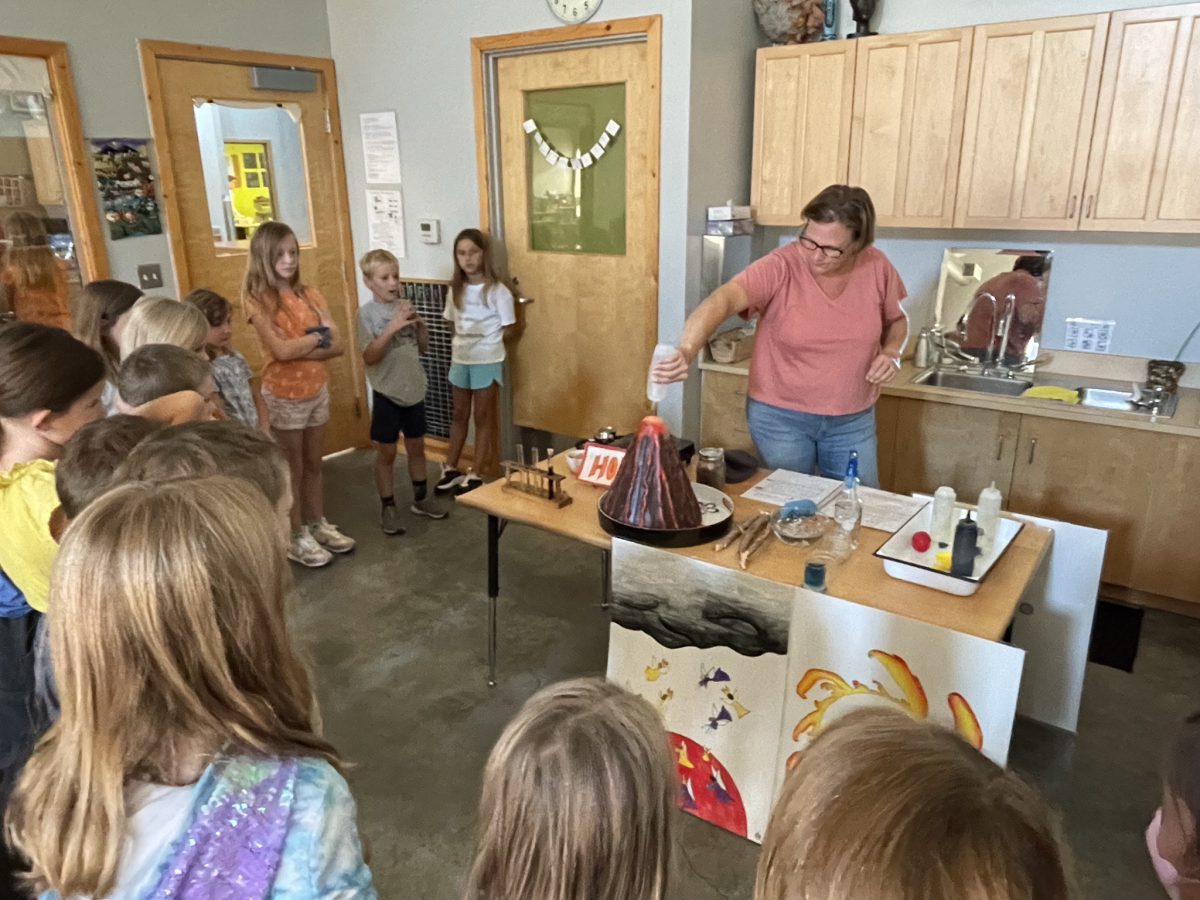
Dr. Maria Montessori’s development of Cosmic Education came out of her observation of children. She recognized the characteristics of elementary children by how they interacted with one another and listened to the questions children asked. Cosmic Education begins with the presentation of the first great story, which tells the story of the universe, and hopefully gives the children a sense of awe, wonder, and connection.
The Art of Observation
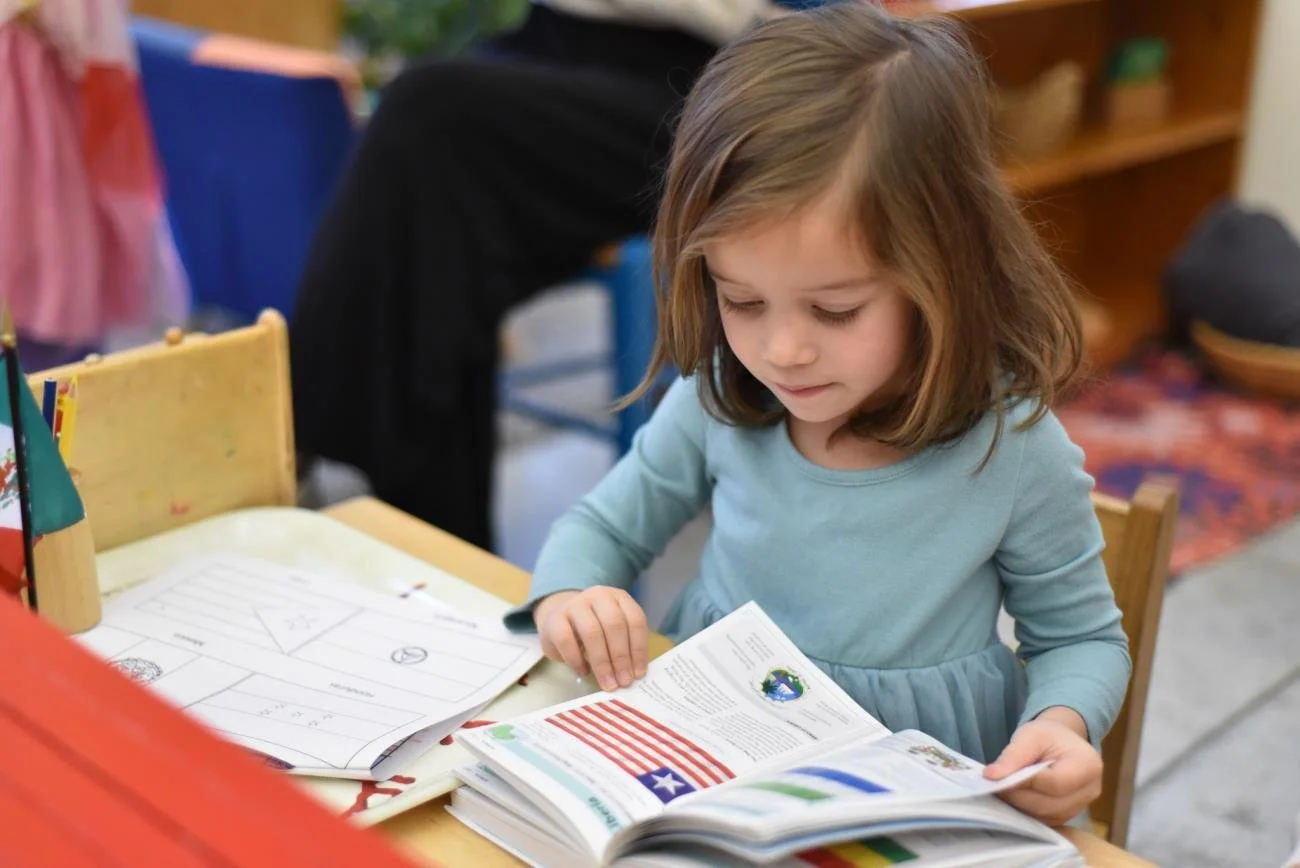
The Montessori Method would not exist without Dr. Montessori’s careful and scientific observation of children. Although the first Montessori environment was not designed for an educational experiment, the children revealed new characteristics of human development that were previously unknown. Dr. Montessori observed that children are far more capable than adults often assume, and they have inner needs that must be satisfied in order to continue developing in an optimal way.
Raising Generous, Community-Minded Children
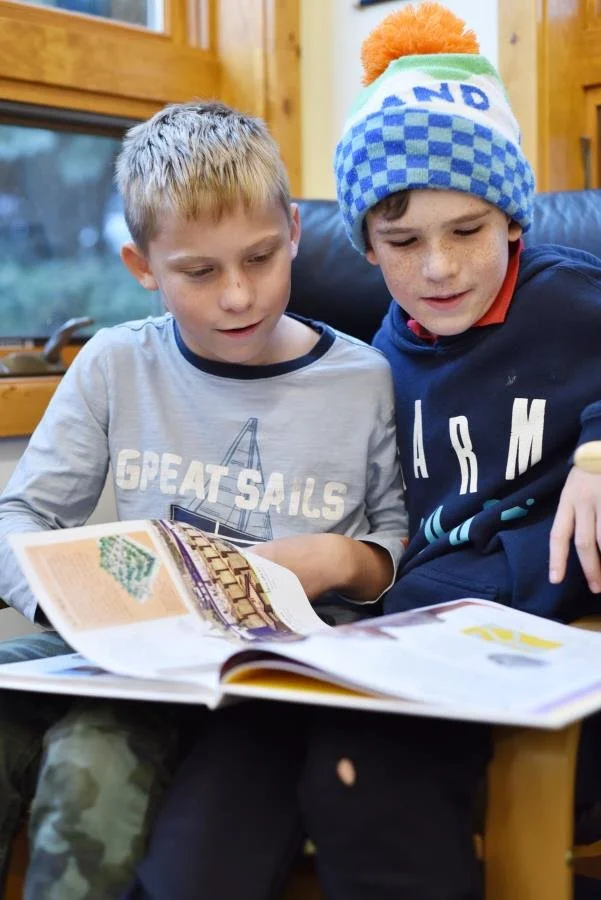
In Montessori classrooms we talk about how we are a community and what that word means. We collaborate, learn to communicate and solve conflicts by listening, and get to know each other individually. We celebrate our uniqueness and allow each other to be ourselves. We talk about the need to help and support each other.
Fanning the Flames of Intrinsic Motivation
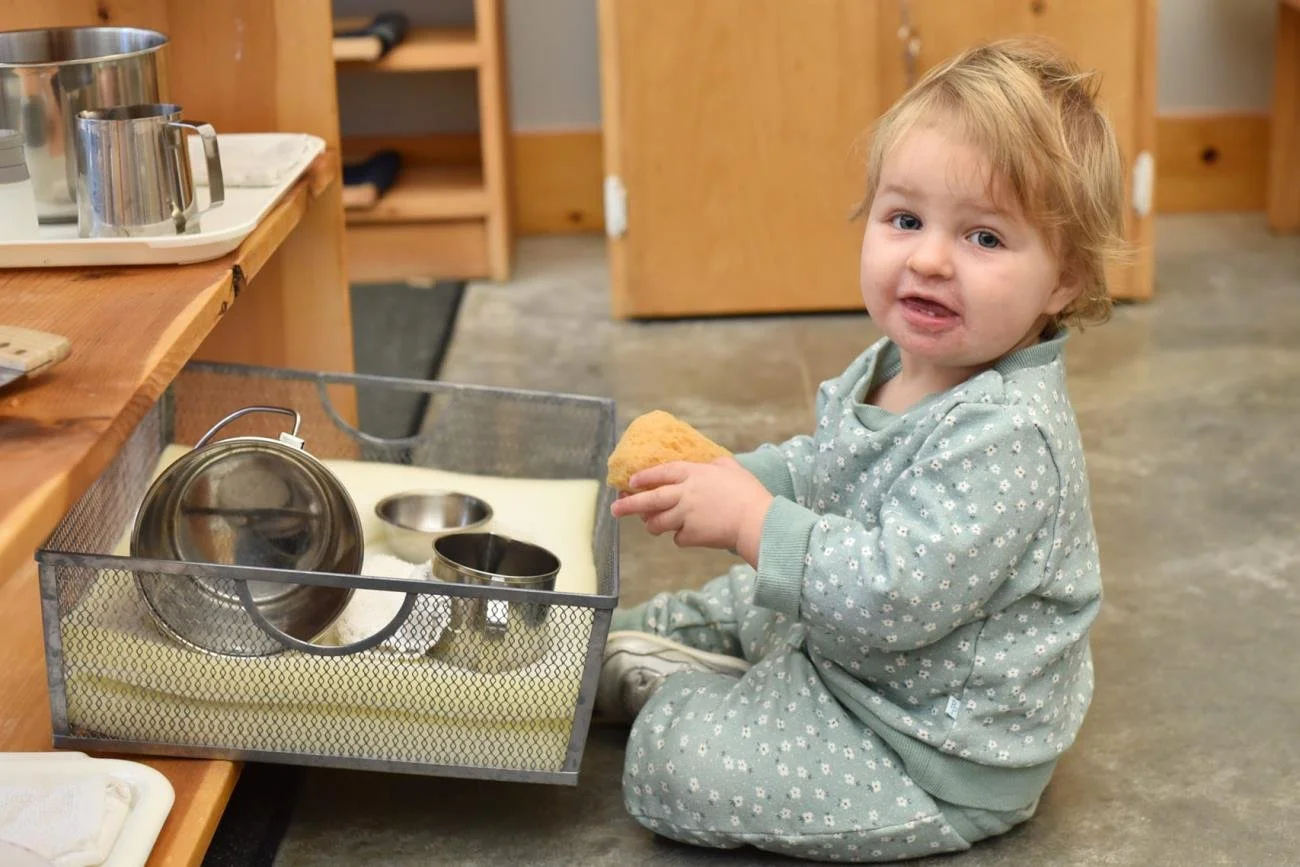
A few years ago I developed an interest in woodworking. I purchased some hand carving tools and an instruction book on how to use them. I watched a lot of YouTube videos on the subject and joined a few woodworking groups on social media. Eventually, I was able to carve a very rugged cooking spoon. Not yet satisfied, I took a class on how to use machinery for woodworking. In doing so, I built a very rudimentary step stool.
The Sensitive Periods
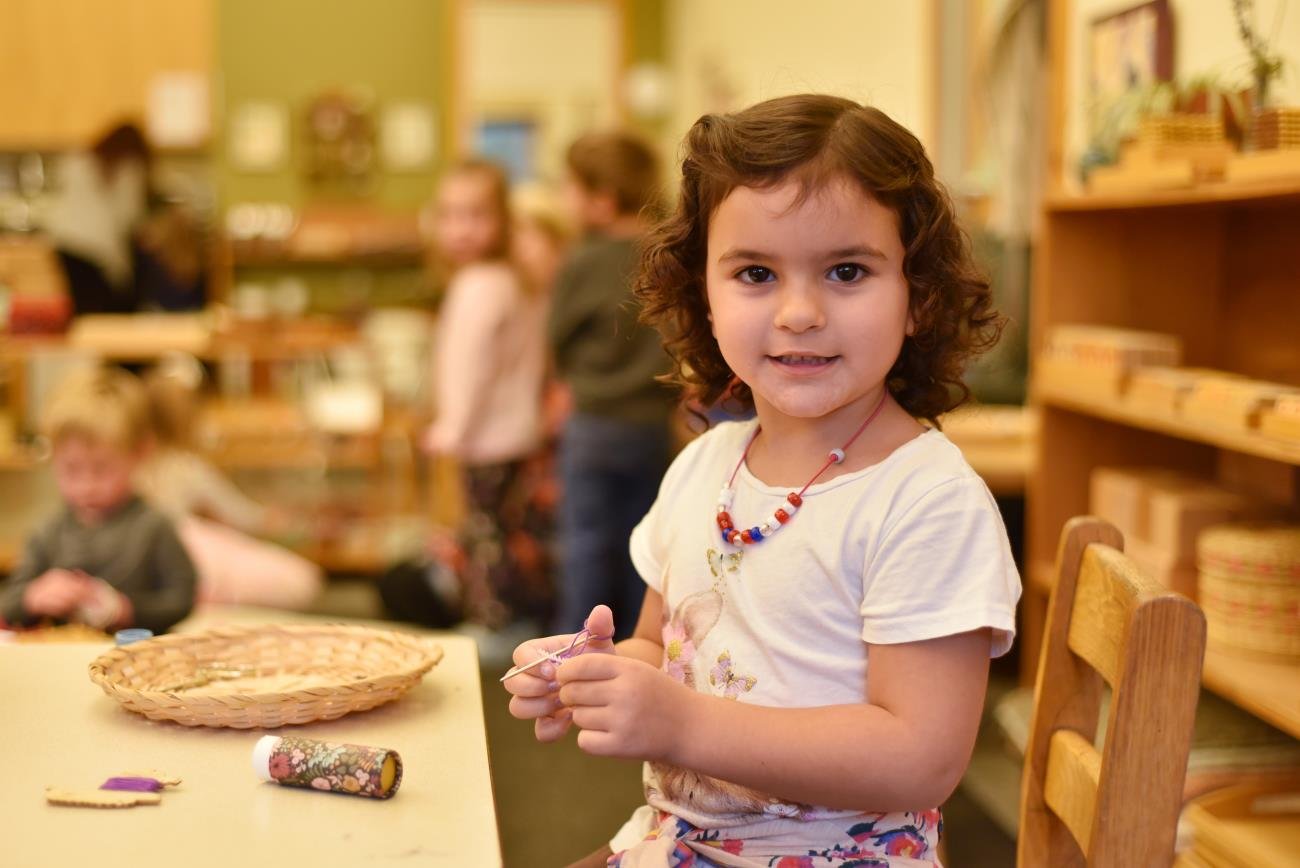
Dr. Maria Montessori observed that children develop at their own pace and according to a series of highly predictable transitory sensitive periods. At each period they are susceptible to aspects of their own environment and acquire distinct characteristics.
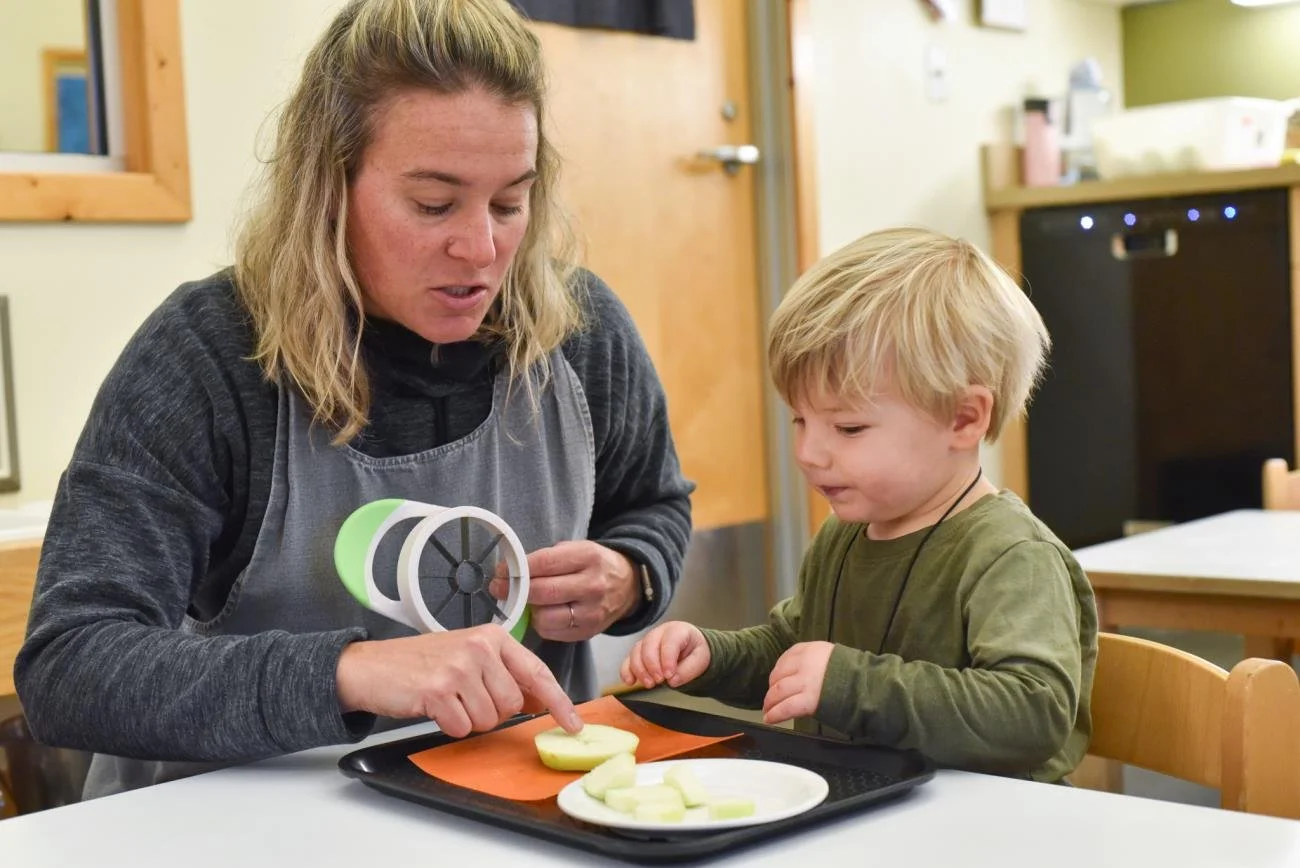
Partnering with Families to Raise Exceptional Learners
hink back to when you first considered enrolling your child at The Children’s House. No matter the reason you chose to be here - and surely, there are a million - you have selected an environment that is not just a beautiful place for your child to spend their days; you have also joined a loving, supportive school community. As I welcome new families into the Young Children’s Community, I share with them that the community within our four walls will become your child’s new home away from home.
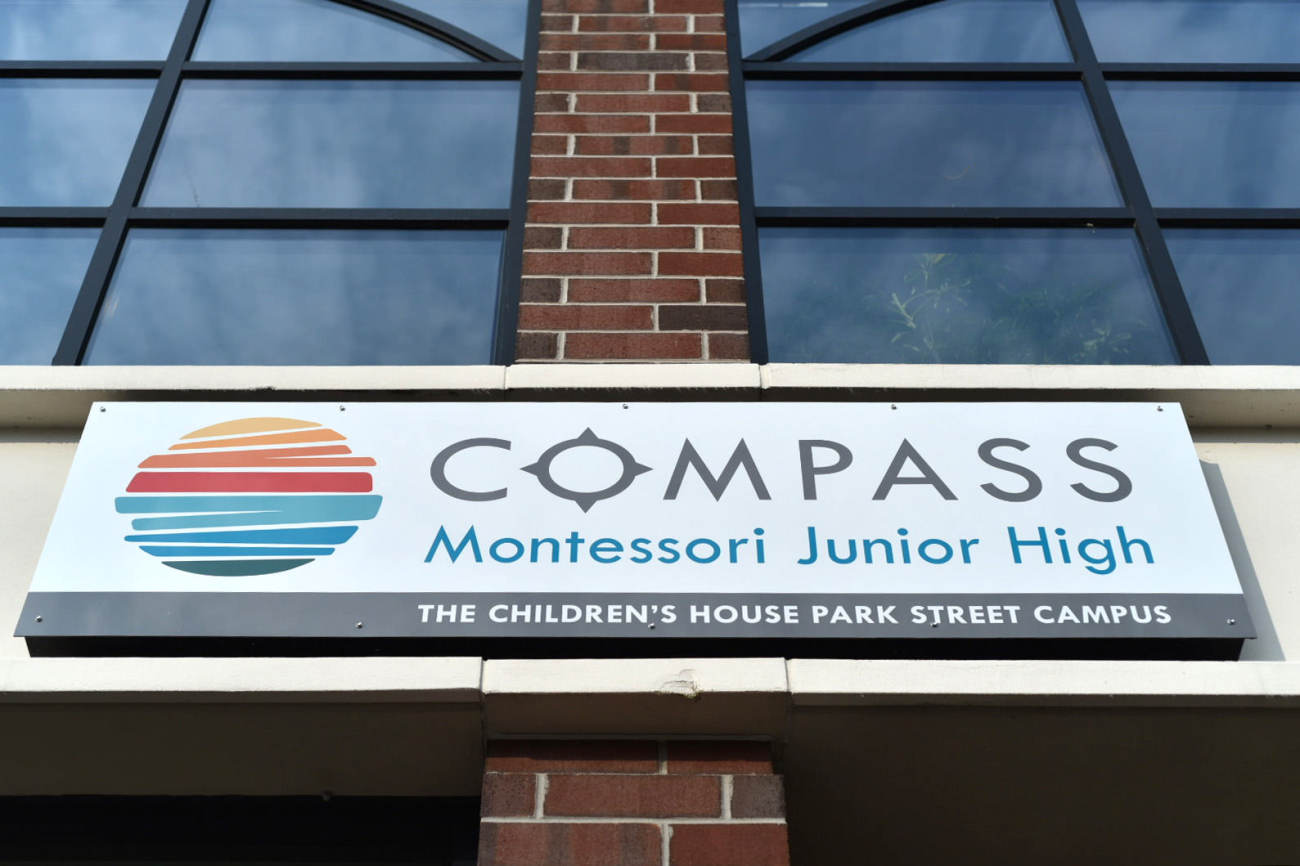
New Name Announced for Downtown Junior High: Compass Montessori Junior High
The Children’s House, an independent Montessori school, has renamed its junior high program. It is now named Compass Montessori Junior High and is located at 101 N. Park St.
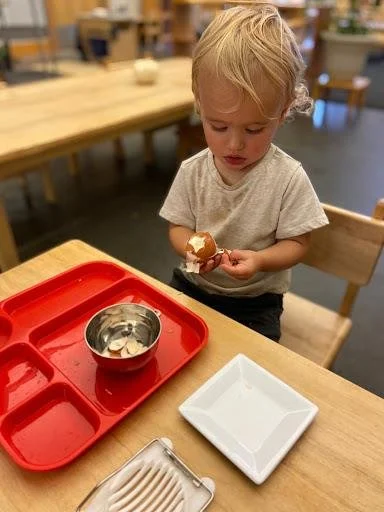
Young Children in the Kitchen
Every aspect of the curriculum of the Young Children’s Community culminates within Food Preparation. There are big movements like carrying bowls to and from tables and dish carts. There are small movements like peeling the rind off of a clementine or holding a knife to spread jam on a slice of toast. There is so much language around smells and tastes as well as all the verbs that go along with preparing food.
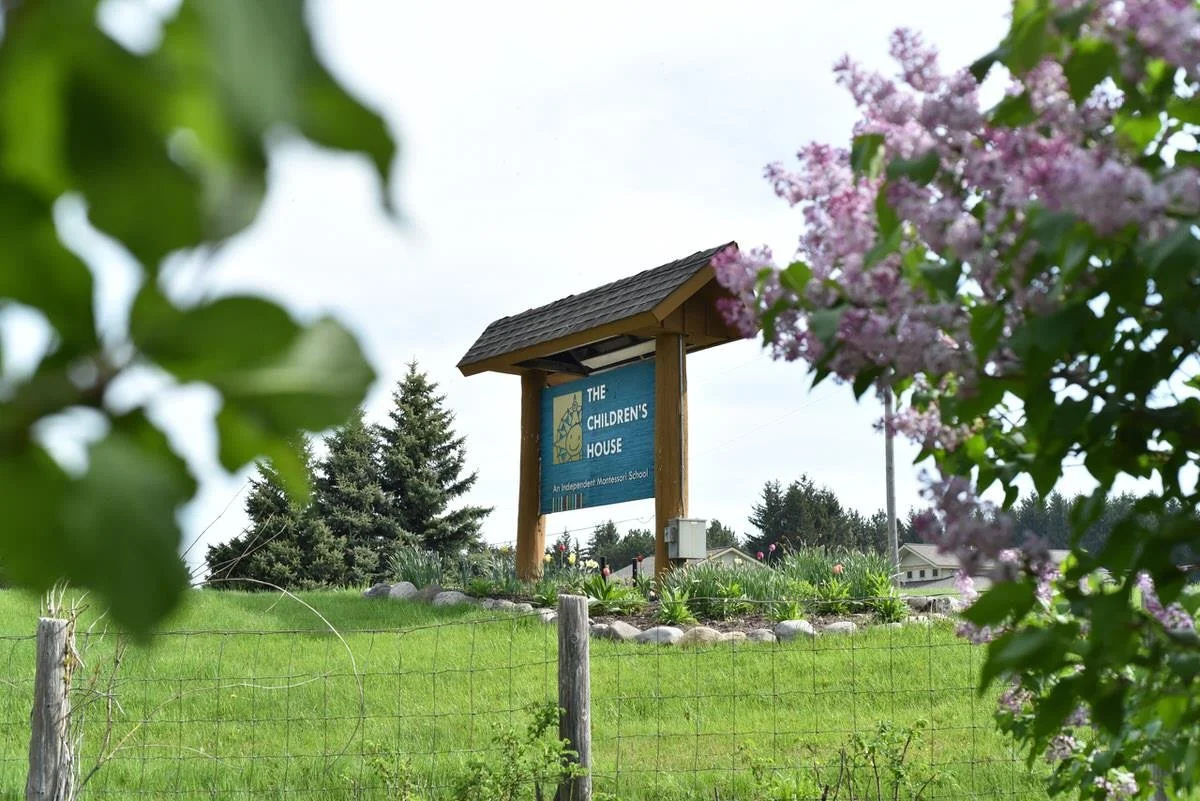
Being a Green School and What That Means for You
From Cosmic education in the Elementary to the “erdkinder” or “earth child” of Junior High, Dr. Montessori envisioned an education that demonstrated the interconnectedness and interdependence of humans among each other and with their environment. We are small yet significant parts of a vast universe. Our acts or inactions affect the whole.

The More You Know
TCH is a community not only for our 260 learners, but for families and caregivers as well. Over the 38-year history of our school, we have been dedicated to creating partnerships with families in support of our students. An important aspect of our partnership are the opportunities for learning that we provide for the parents and caregivers in our school community -- a year-long calendar of offerings in family education, discussion groups, and webinars with the experts.
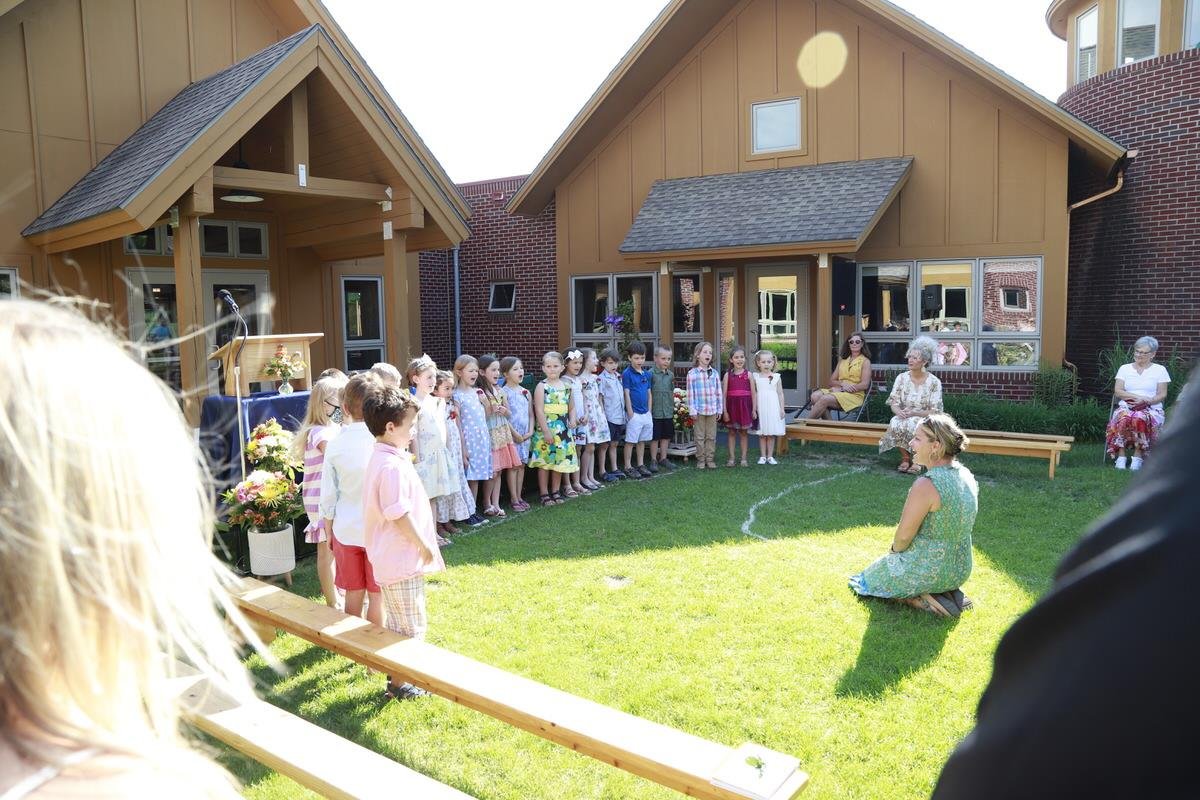
Traditions and Celebrations
The Children’s House was founded in 1984 in a small farmhouse in Sutton’s Bay. In the early years, the school consisted of one Toddler community and one Primary classroom. When the children completed their Kindergarten year, they moved on to different schools for elementary. During this time, traditions were created that have continued to be celebrated throughout these past 38 years.
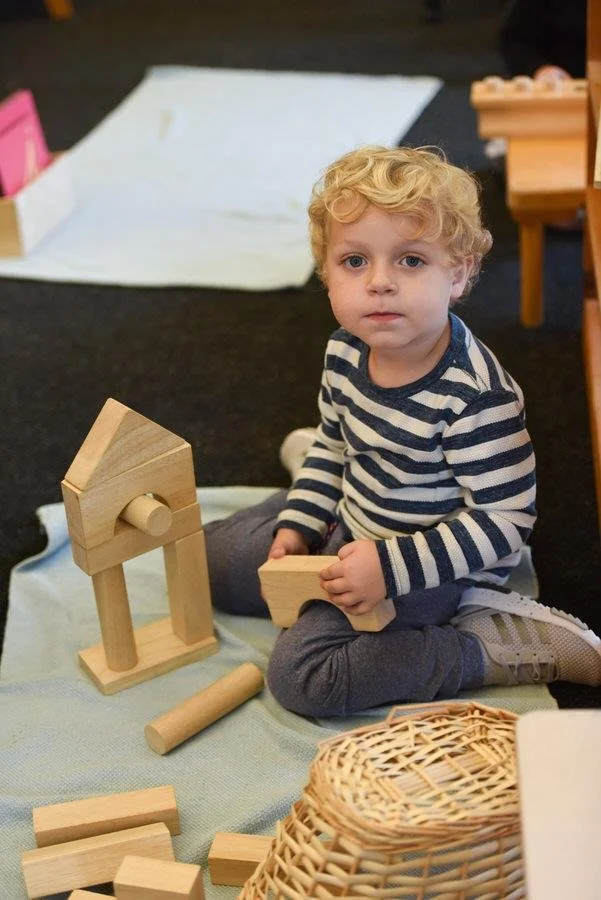
The Language of Encouragement
We often hear the terms “praise” and “encouragement” in a wide variety of school settings. Praise is typically defined as expressing approval or admiration whereas encouragement is a more supportive action that points out facts without tying them to an evaluation of one’s work. In a Montessori classroom setting, we provide encouragement by noticing. This may be as simple as “You spent the whole morning on your cursive handwriting,” or something more complex such as, “It felt helpful when you cared for our community by setting the lunch table.”
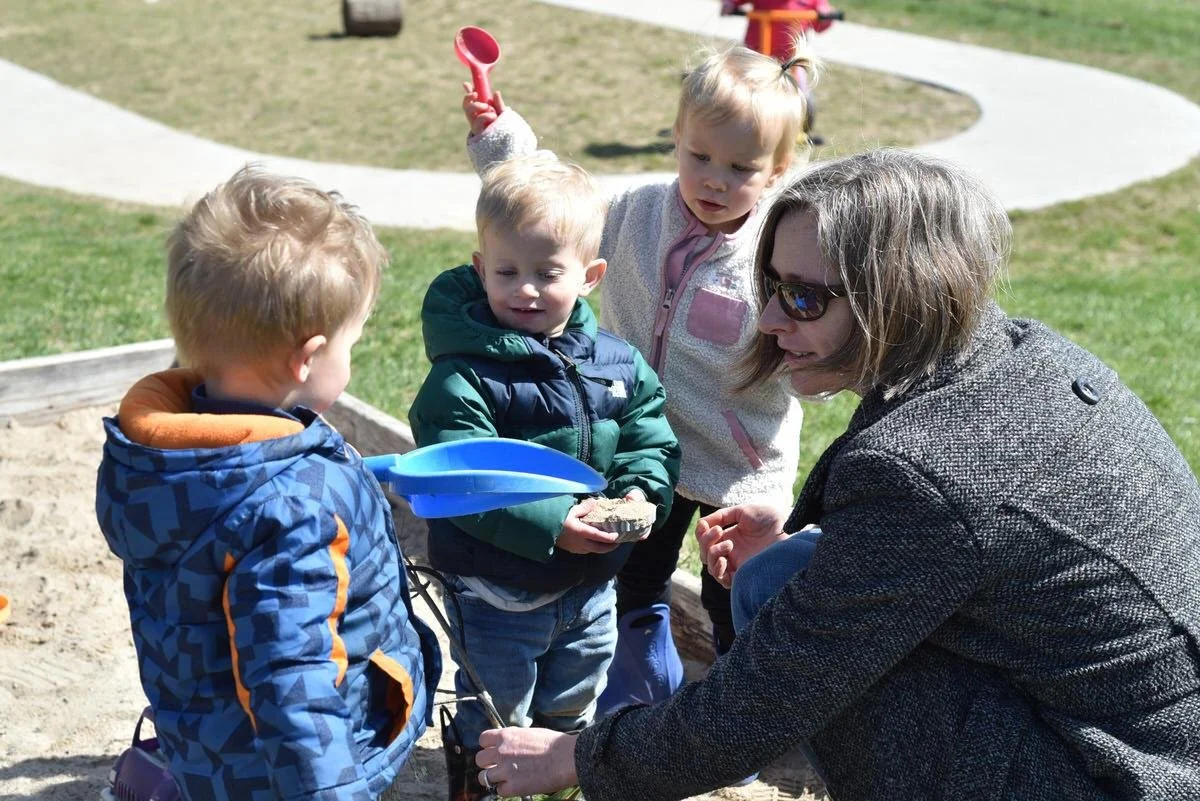
Freedom and Limits
As a parent of a child attending a Montessori school, you have heard the phrase “freedom and limits” many times during conversations with your child’s guide. What does it really mean? What is freedom and why do I need to apply any limitation to my child’s actions?