
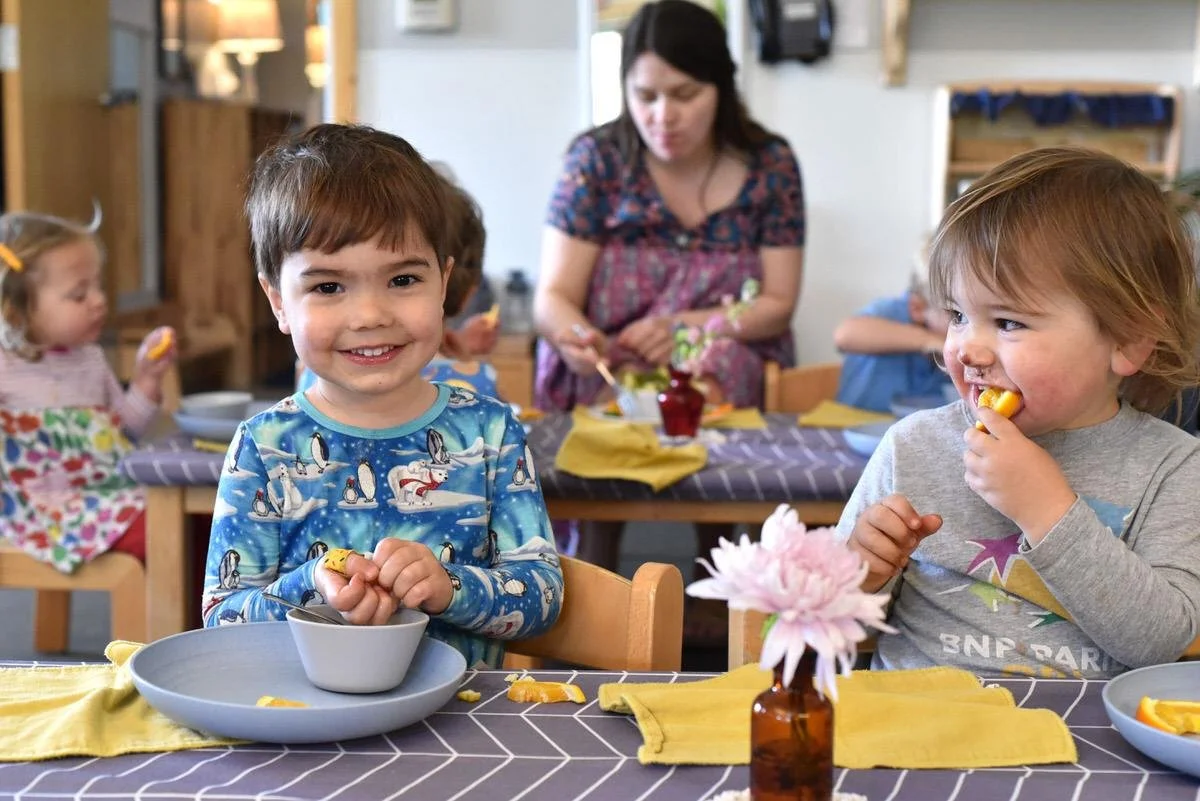
Fostering a Positive Relationship with Mealtimes
If you have spent any time with small children, you have likely experienced a not-so-pleasant mealtime. Perhaps your child refused to eat, threw food, or completely melted down at the table. Mealtimes can be stressful and overwhelming. While I don’t expect this blog post to eliminate power struggles at the table, I do think there are a few things to implement that can support your child’s relationship with food and improve your family’s experience around mealtimes.
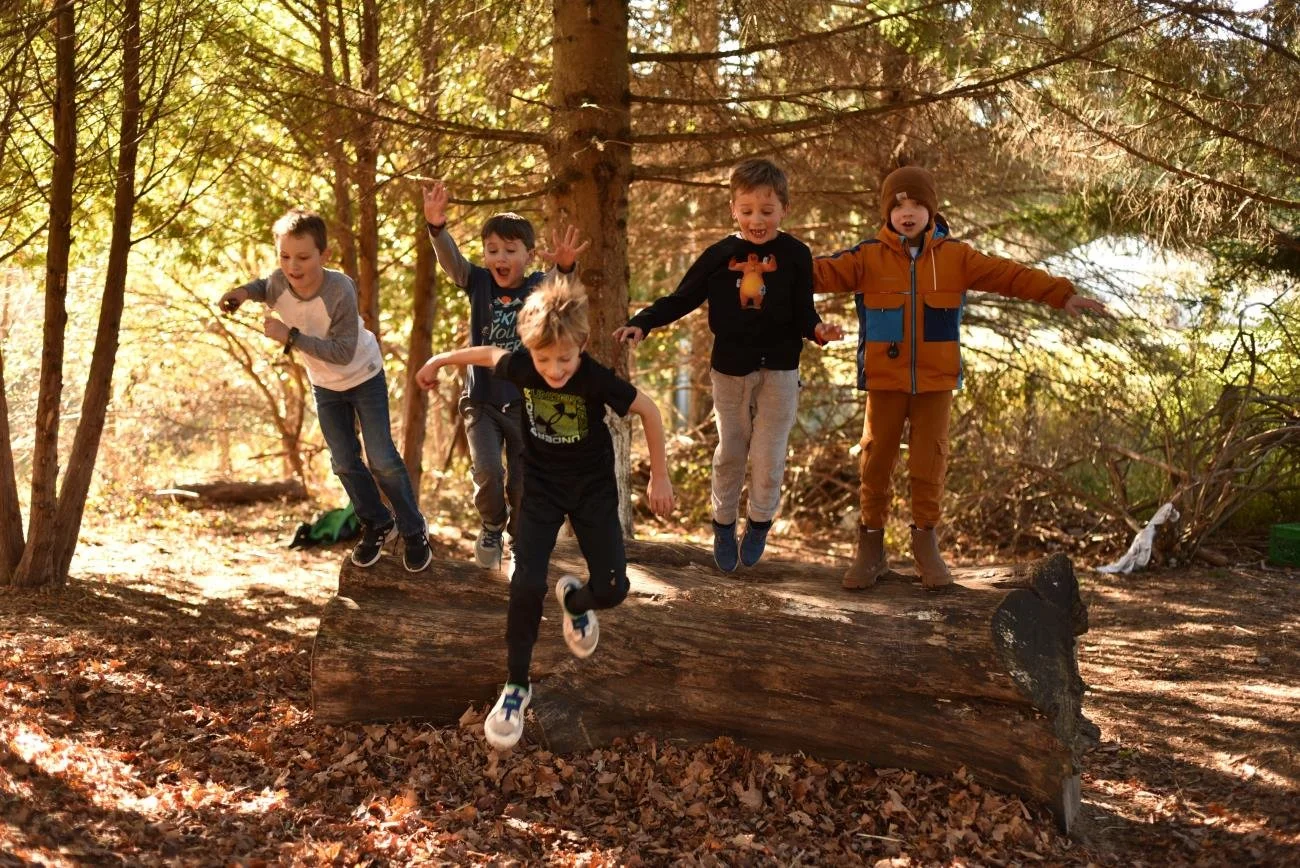
Putting The Brakes on Screen Time
A few months back, Alison Breithaupt wrote a blog post on The Evolution of Guiding, in which she shared her observations of children, throughout her career. At one point, Alison discussed the effects of technology on our children and how important it is for children to make sense of their worlds through real-life experiences and limiting access to screens. Does the mere mention of this cause you some anxiety, stress, and worry? Well, I am here to say I am right there with you! This blog post is an honest recount of our family’s journey through excessive screen time, a diagnosis of ADHD, and the shift to a screen-free childhood.
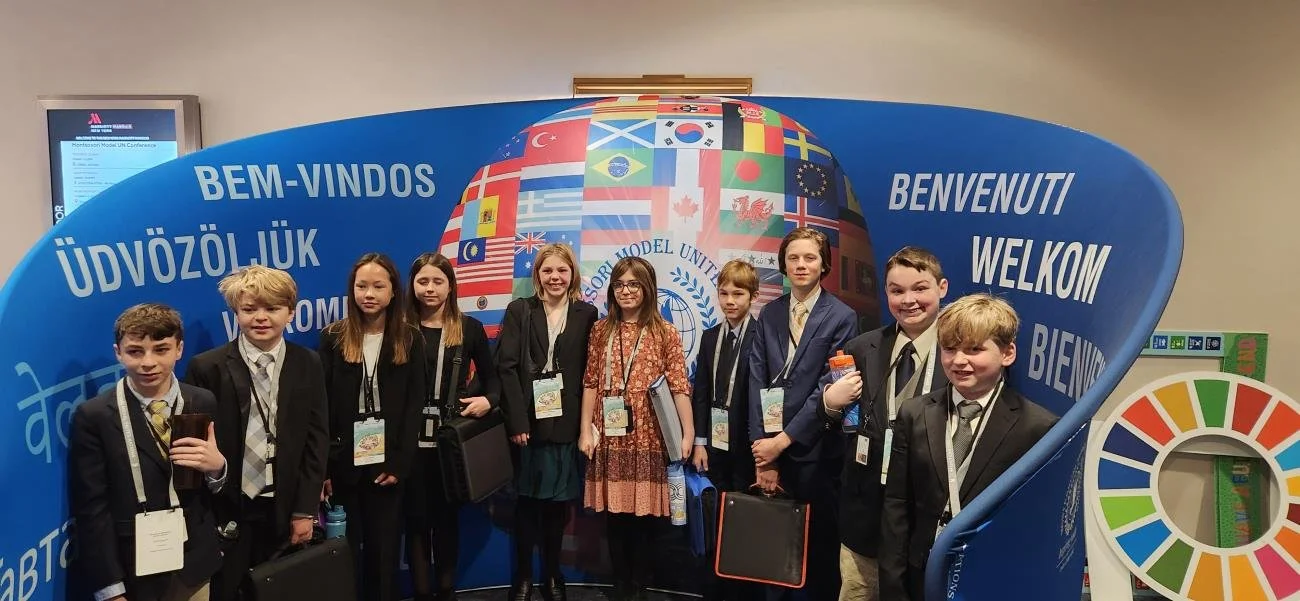
Peacemakers of Our Future
Dr. Maria Montessori addressed the United Nations Educational, Scientific and Cultural Organization (UNESCO) in 1950. She stated, "It is the young people, the children, upon whom we may base our hopes of building a better world since they can give us more than we have today, and more than we, at one time had, but have since lost.”
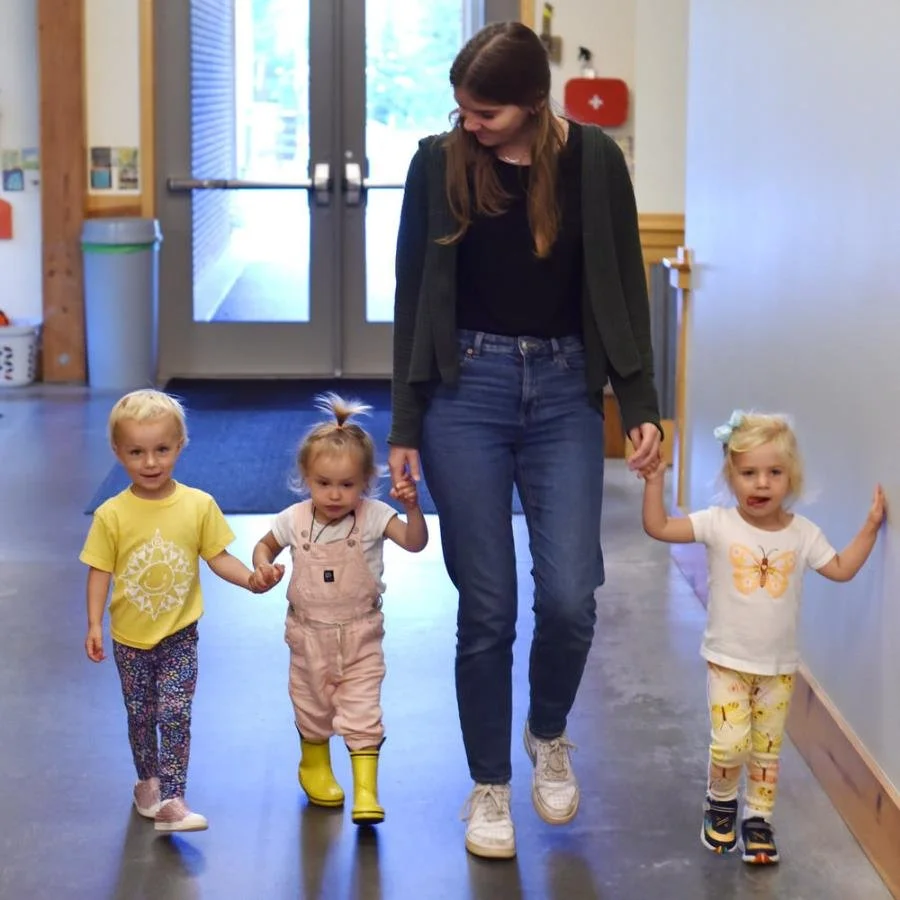
I've Got The Power
Power struggles between children and caregivers are a common part of a toddler’s development. Early on they develop a strong sense of order, which helps them make sense of their world. They observe how things are to be done and this becomes their perceived reality. However, this reality does not always align with the adult's reality and often a power struggle ensues.
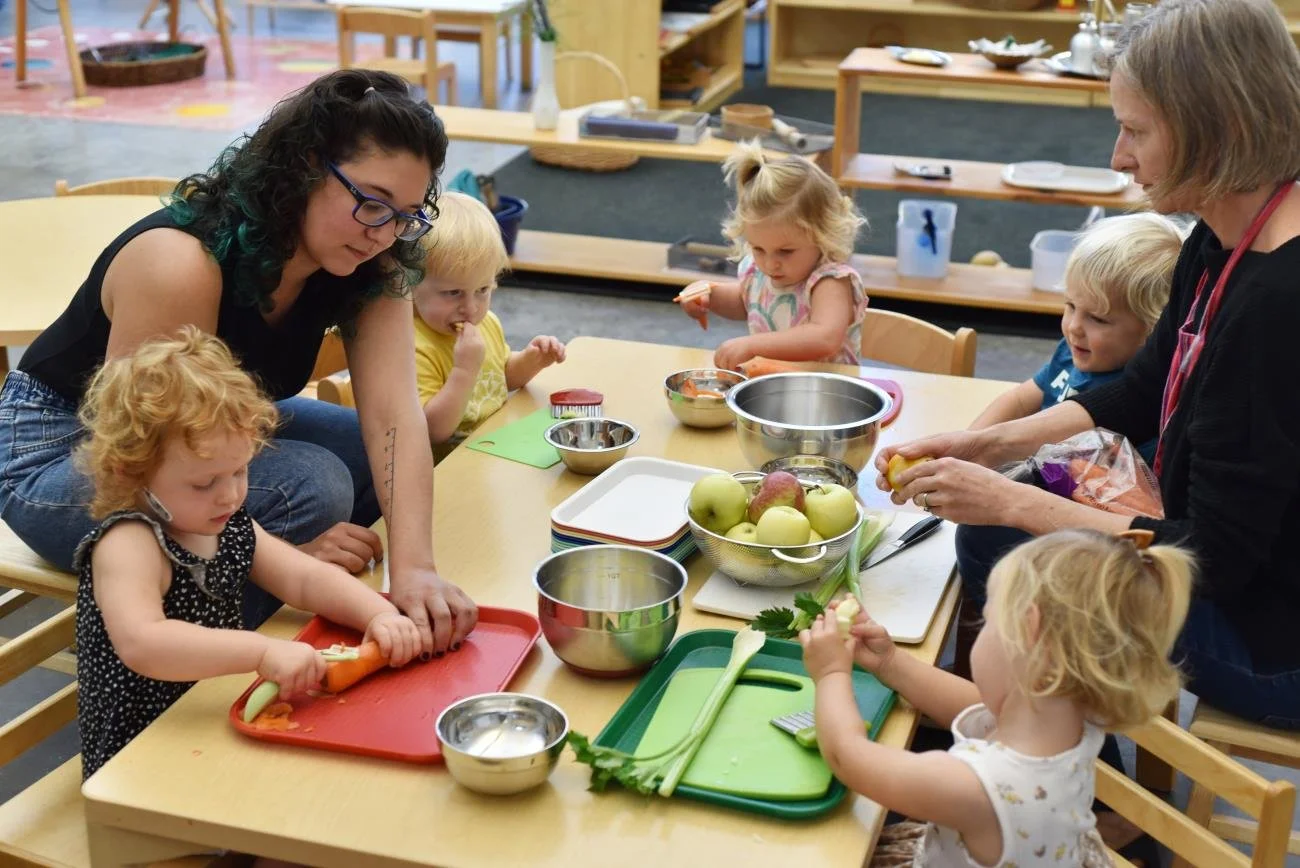
Cooking with Young Children and Tools of the Trade
Preparing food with children is my favorite activity in the classroom. Seeing their enthusiasm about making food, tasting it, and eating the finished product is very rewarding.
Why is teaching children about preparing food so important?
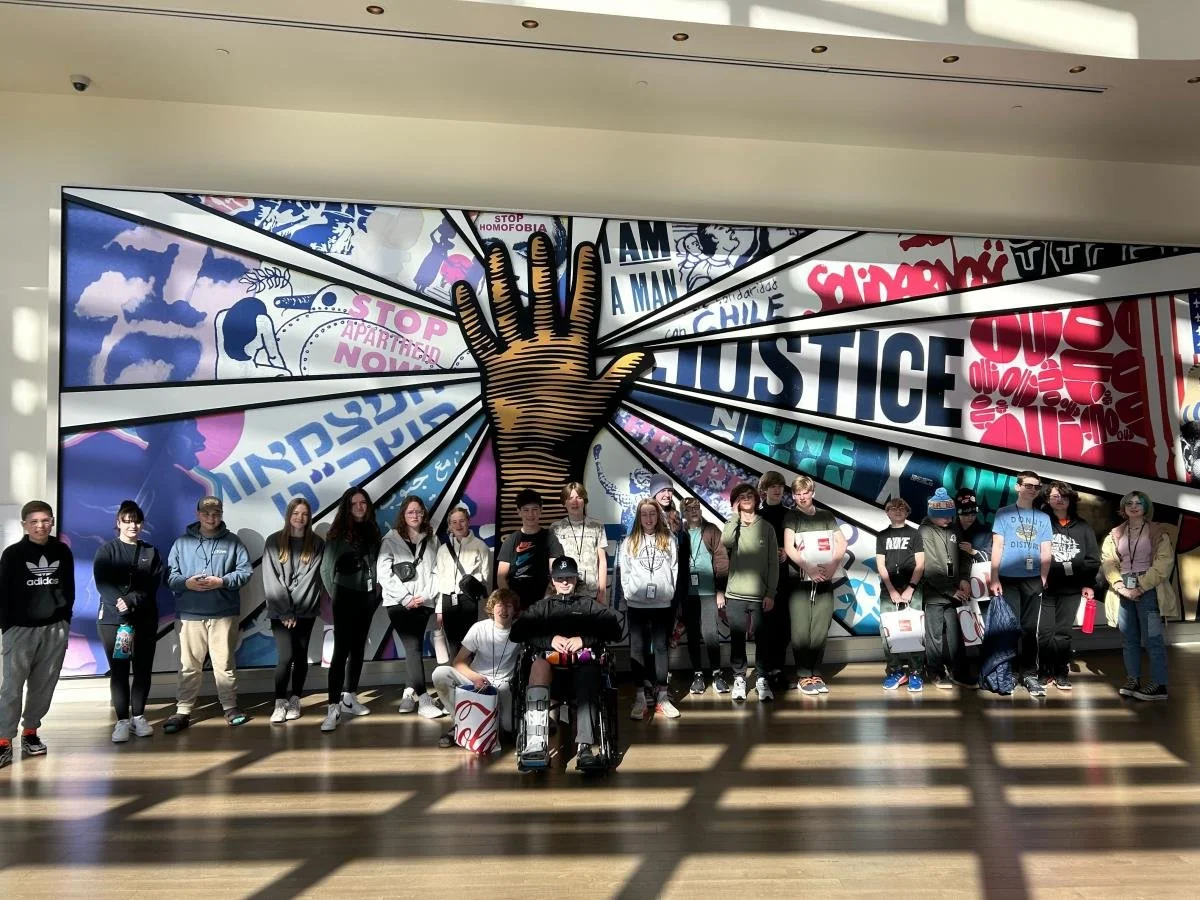
From Slavery to Civil Rights: A Trip to the South
Last week marks the third time we have traveled to Georgia and Alabama for our “Civil War to Civil Rights” Workshop. Each visit is a unique, one-time experience that is shaped by geography, location hours, restaurant hours, and special events in the area, not to mention the personalities and interests of twenty-three young people.
Accreditation of an Independent School
In June 2022, The Children’s House became an accredited member of the Independent Schools Association of the Central States (ISACS). Obtaining membership was a lengthy process in which every staff person and many other members of the community participated. Membership in ISACS is not a once-and-done process but enters the school into a continual cycle of accreditation and improvement. There are many reasons why being an accredited member of ISACS is valuable to the school community.
The Ideal Montessori Class Size Might Be Larger Than You Think
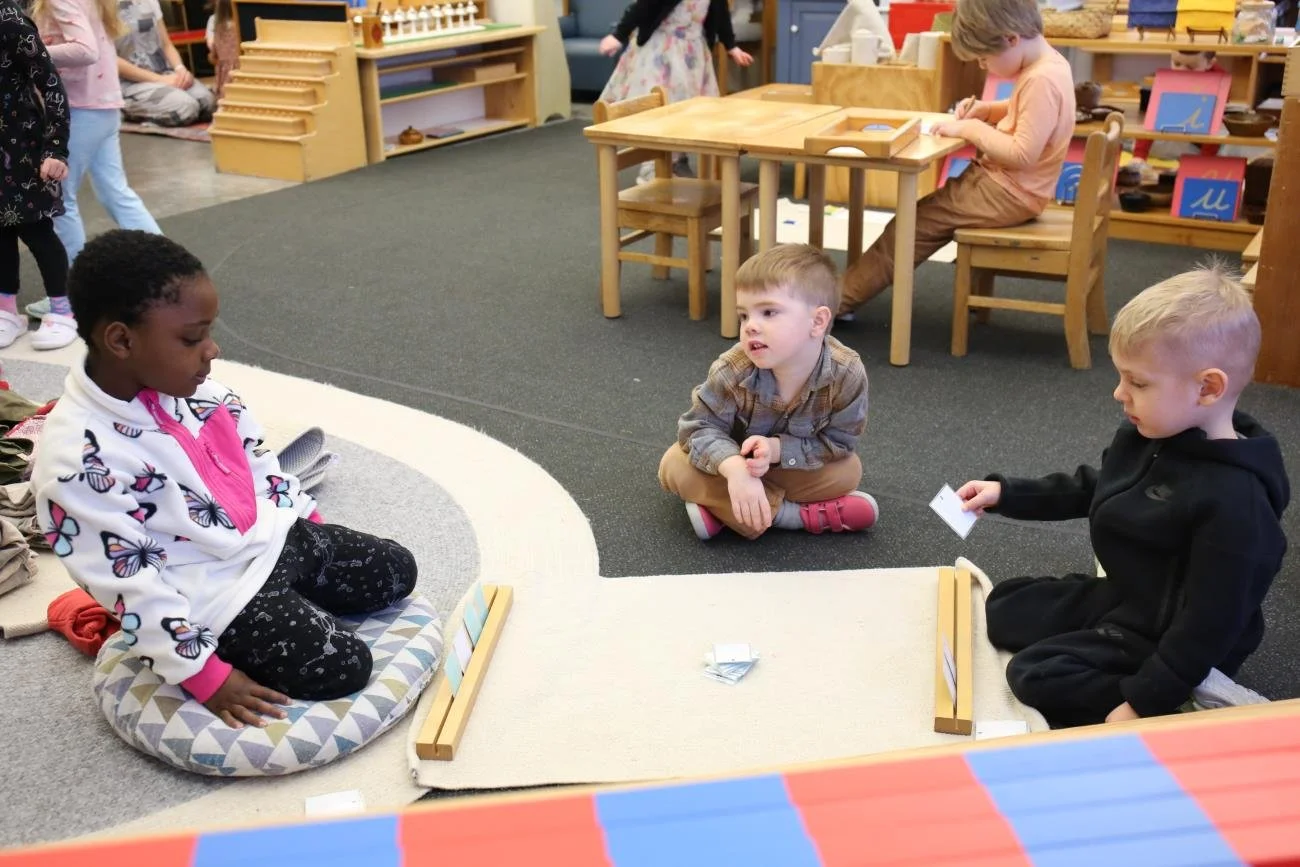
Traditionally, school quality is judged by class size. Many believe a lower teacher-student ratio means more individualized attention and larger class sizes are thought to be a sign of less instructional time. This perception is founded on the idea that children learn more when they are one-on-one with an adult. Traditional schools view teachers as knowledge transmitters and children as empty vessels waiting to be filled. Montessori schools turn this accepted theory on its head.
Incorporating Holidays into the Classroom
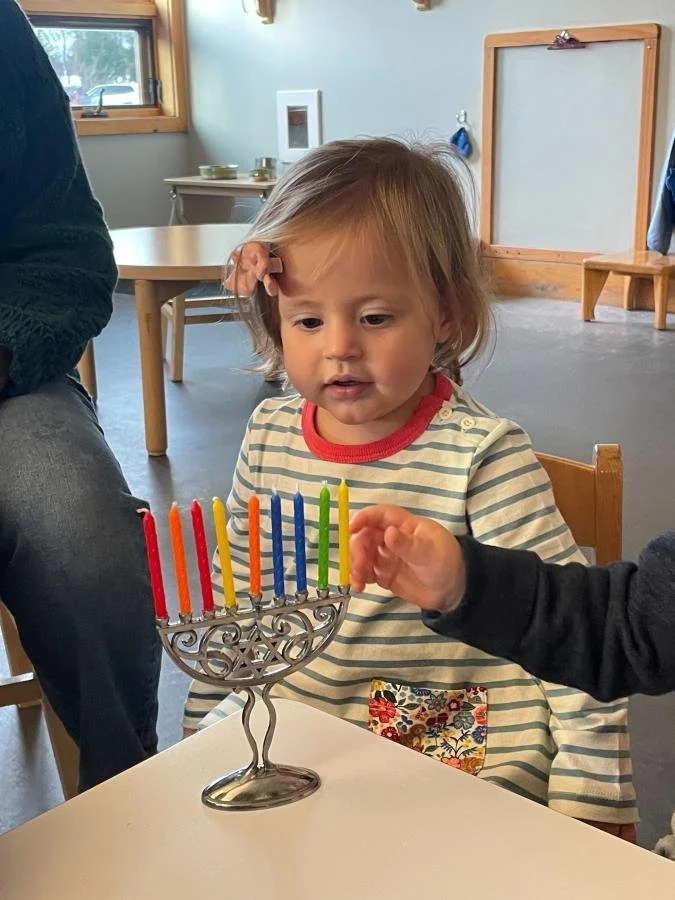
In September of 2020, the staff of The Children’s House was privileged to virtually host Britt Hawthorne for an Introduction to Anti-Bias Education. Every time we have an adult learning opportunity as a staff, I try to make an intentional change to the way that I think about things in my classroom and my worldview in general.
Life-long, Interesting Learners
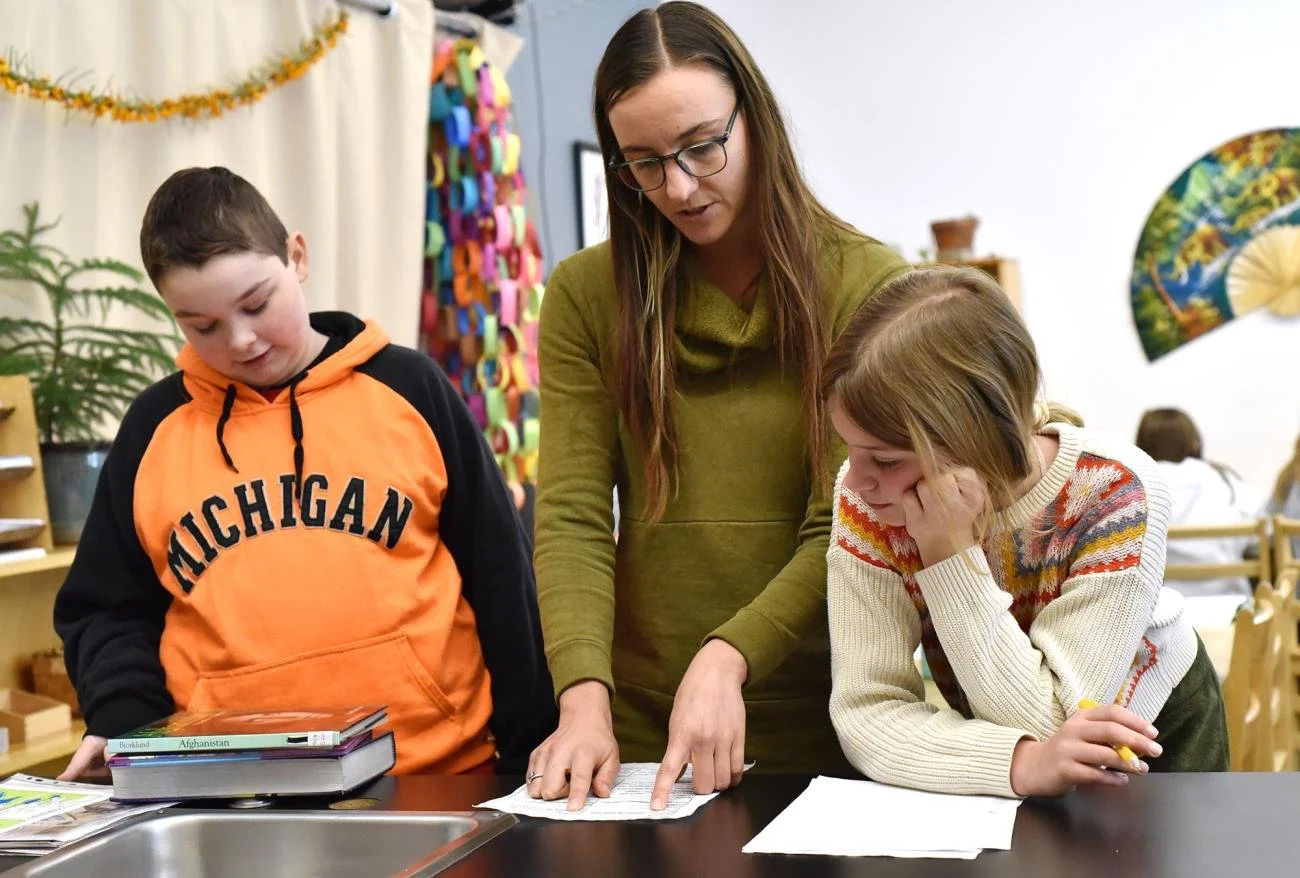
When I started my Elementary Montessori training I remember my trainer boldly telling us (maybe even yelling), "You have to be interesting to the children!" She went on to explain that we needed to have our own interests, lives, wonders, activities, and learning pursuits so that we have stories to share with the learners. Naturally, children wonder about the adults in their lives whether it is their teachers, caretakers, parents, aunts, uncles, etc. We are helping children to become life-long learners, and we need to model this ourselves!
A Glimpse Into the Role of Classroom Support Staff
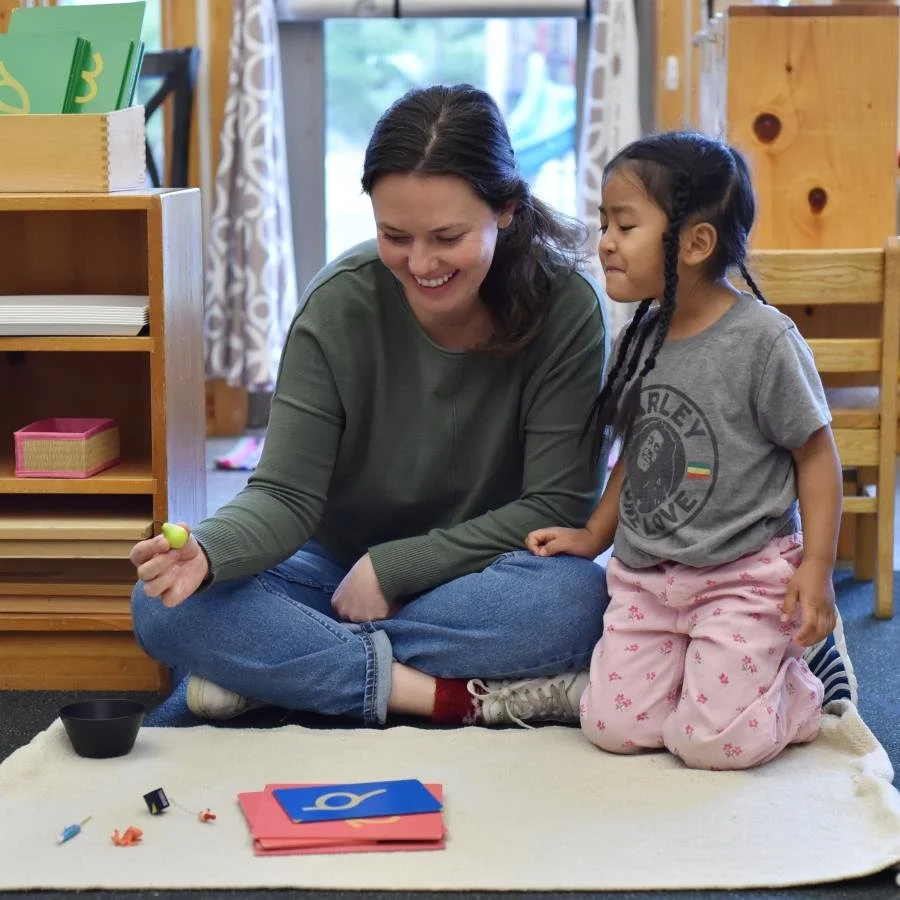
I remember the very first time I stepped into a Montessori Environment. I was touring Intercultural Montessori in Oak Park, IL. I was five months pregnant. The sunlight poured into the East windows, it glistened through plants and the fish tank. Children were walking, playing/working, and speaking Mandarin. They were purposeful and full of concentration. I was like a moth to a flame, I had to know more.
The Evolution of Guiding
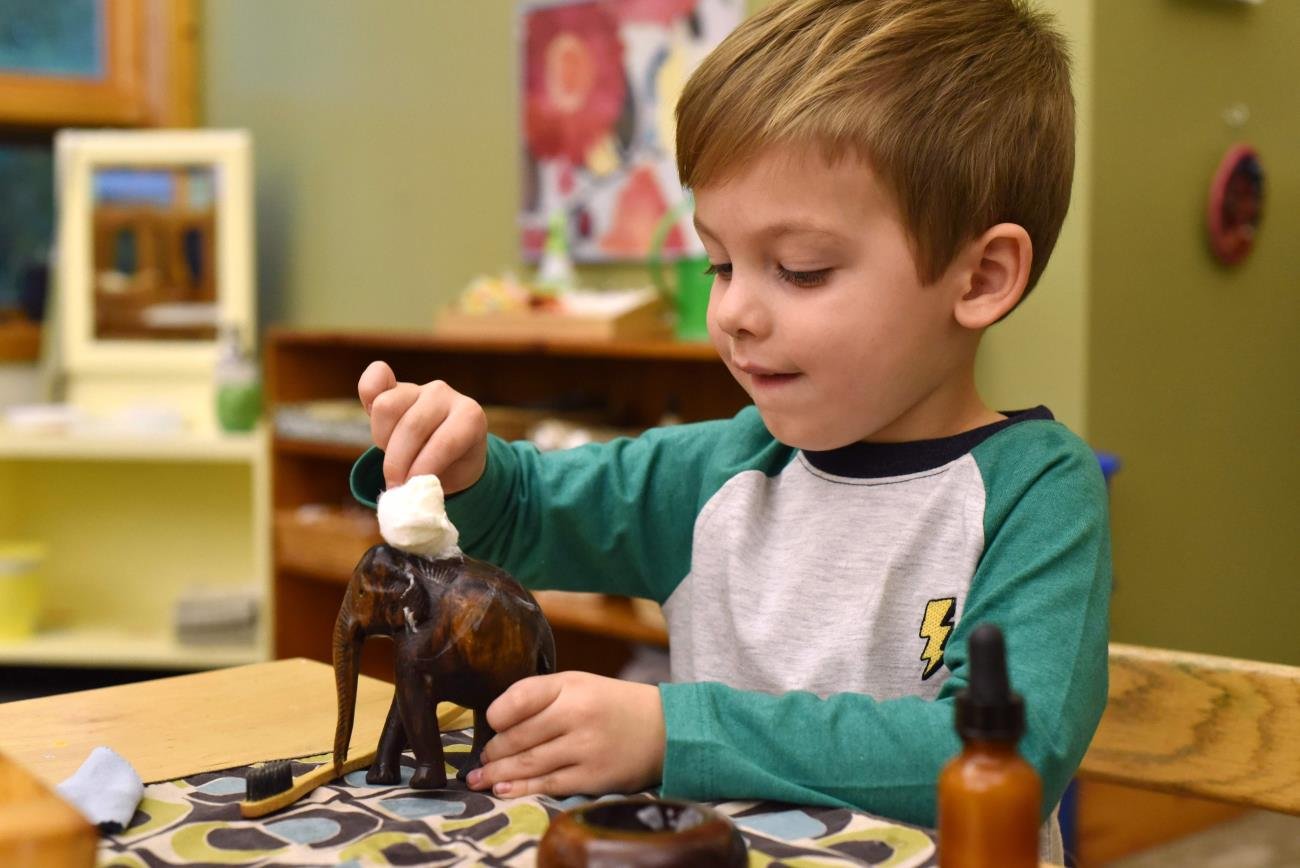
Being an educator for the past 27 years at The Children's House has taught me a lot about children, parents, and the influence of our changing world on education. First, I want to reflect on the positive changes I have witnessed. Parents are much more involved in their child's education. They are taking more of a stand in what they want for their child educationally.
Celebrating the Harvest
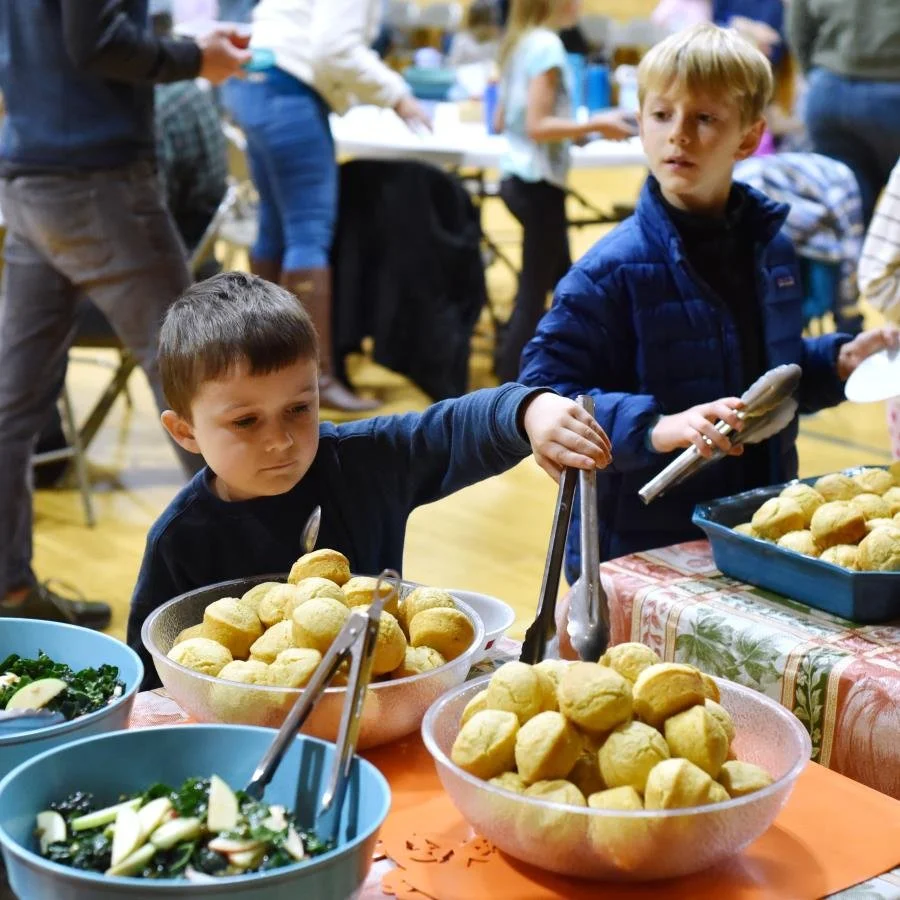
As I settle into my third year at The Children’s House, I finally feel I trust myself to take some of our past traditions and modify them to work with the changes that our school has undergone through the years. The many traditions at our school have grown organically, a mish-mash of cultural interests and the love that our staff feels for the children here. The teachers, staff, and administration are always striving to give the children something delightful and meaningful to participate in. The Fall Festival is one such tradition, handed down to the Kitchen Director through the years as a celebration of our Earth to Table program.
Reading to Learn
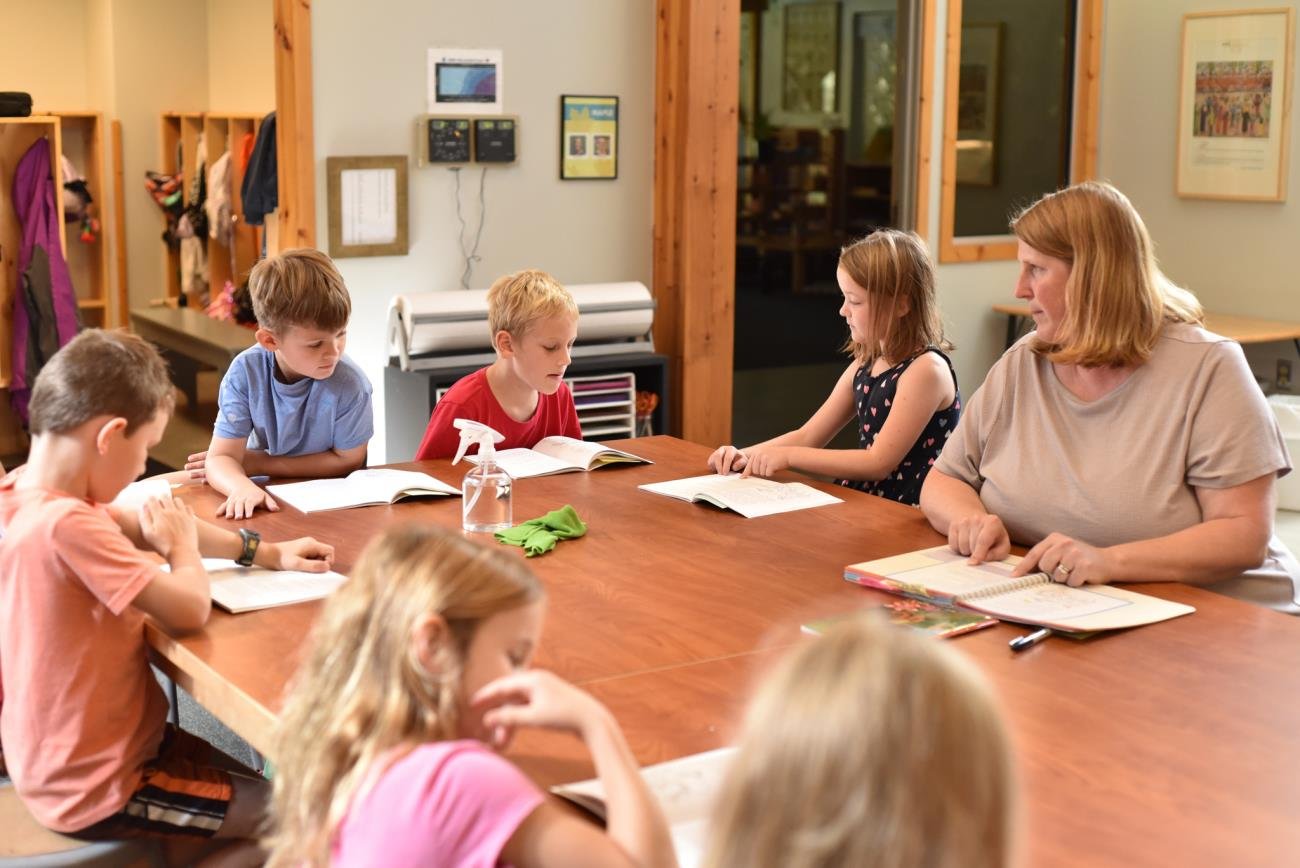
How does the process of learning to read look in a Montessori classroom? Montessori has what can be called a balanced literacy approach to language. This means that there are both spoken and written components that come together in a variety of ways, over time, and in all areas of our school.
Teens; a Reprise of the Toddler Years
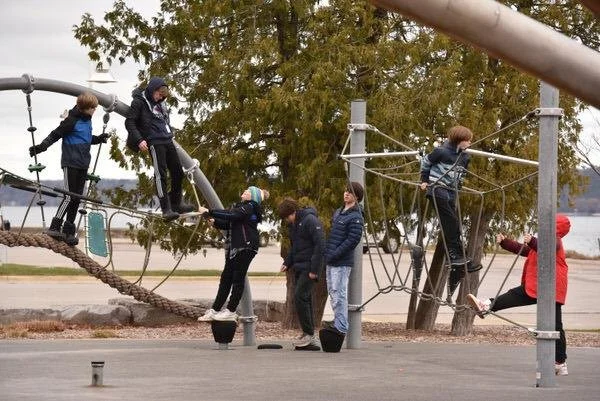
Toddlers and Teens exhibit similar behaviors externally because they are coping with similar conditions internally. Both ages are experiencing intense growth, physically, emotionally, and intellectually. Their minds and bodies are exhausted. Even though both require more sleep to combat the increase in energy expenditure, getting sleep during regular sleep hours can often be a struggle.
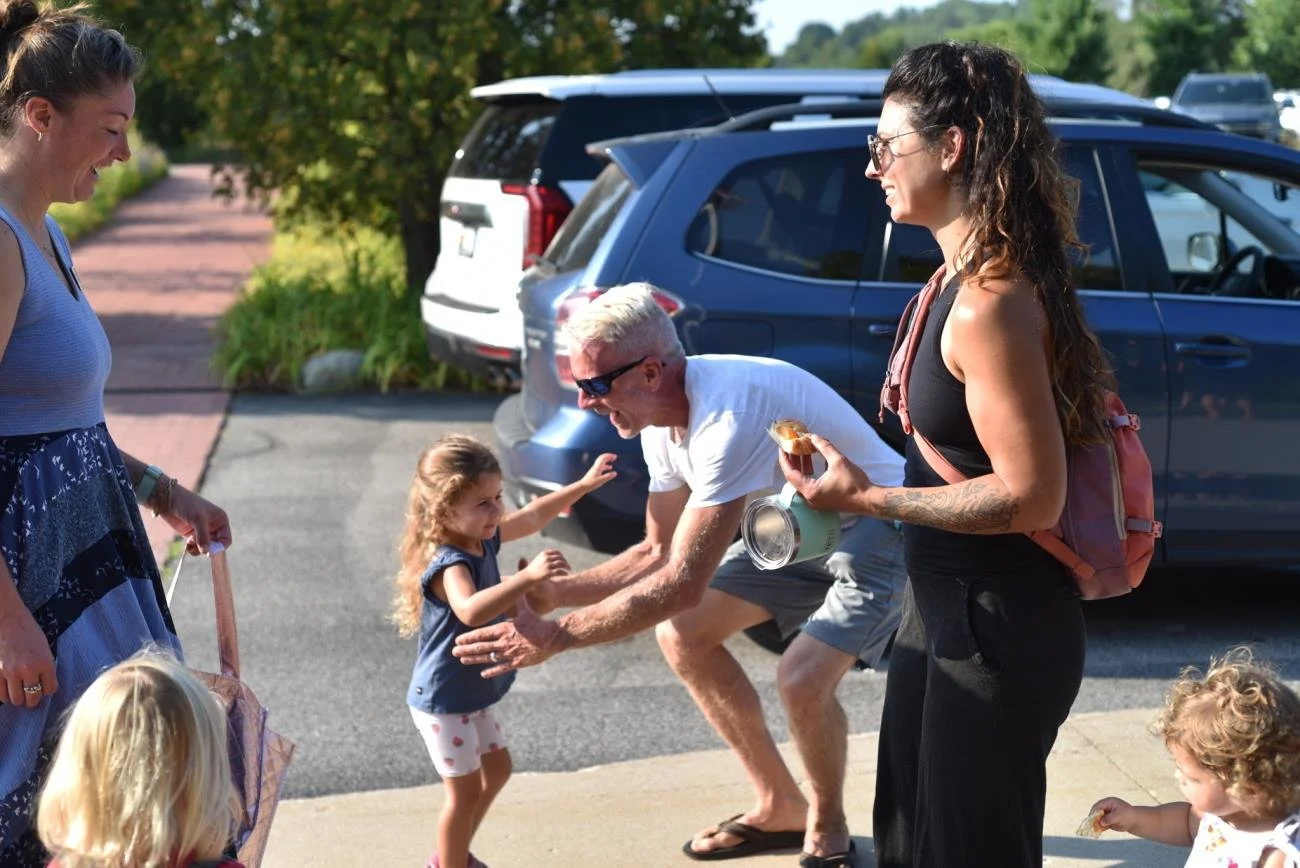
The Value of Strong School/Family Partnerships
Coming back to school each fall provides a wonderful opportunity for our learners to return to their Montessori prepared environments to connect with one another, the teaching staff, and the work that inspires them to challenge themselves. It is also a vital time for the school and parents to establish a parent-school partnership in support of an optimal educational experience for the children.
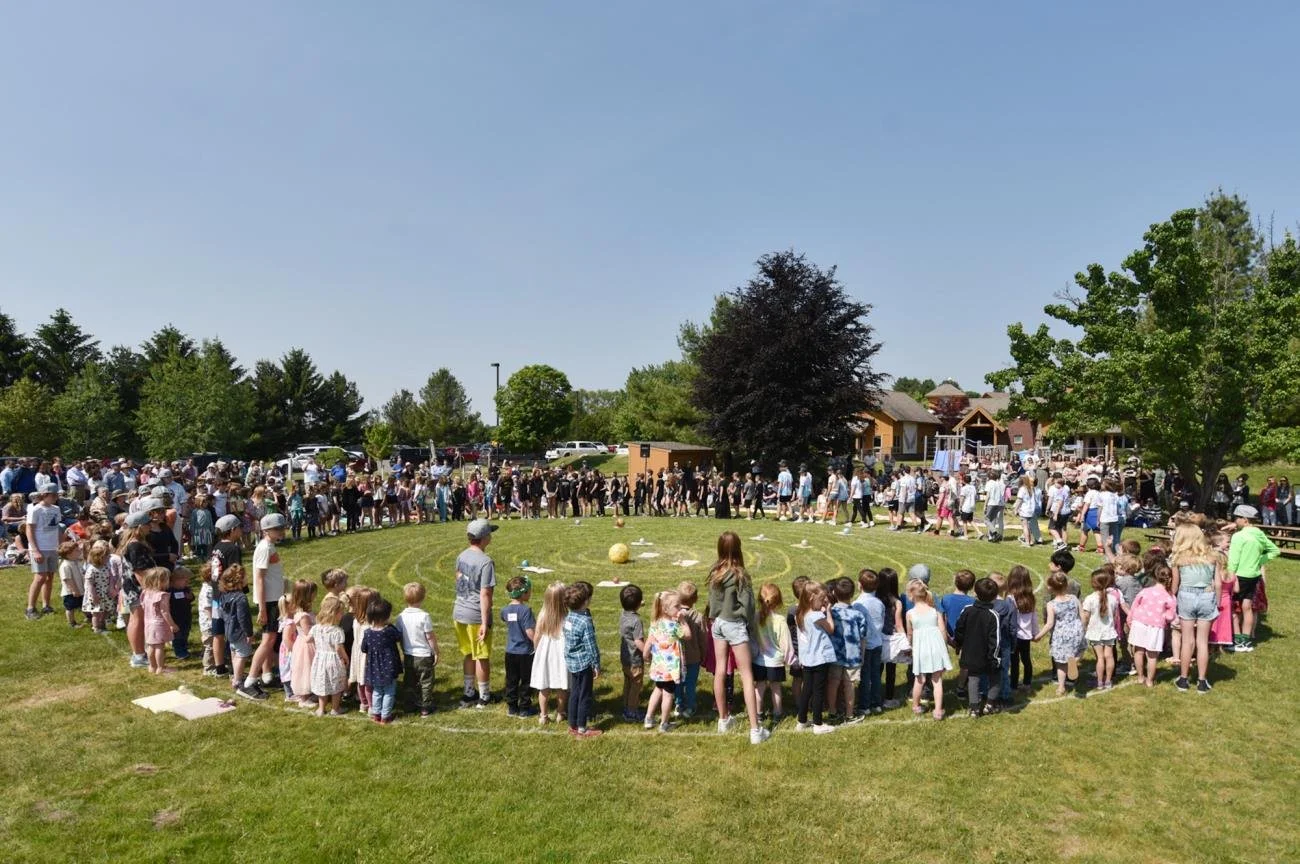
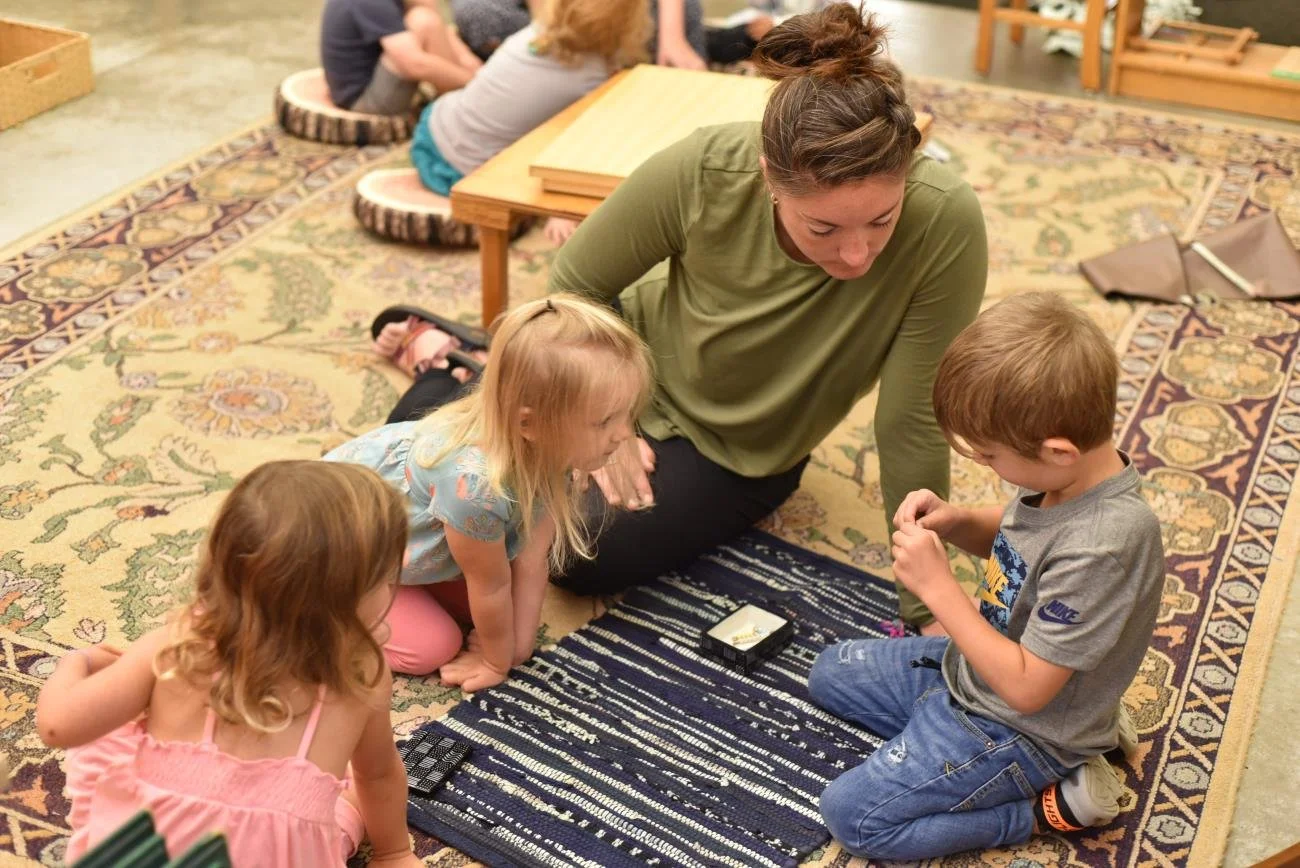
Becoming a Montessori Guide
Becoming a Montessori Guide at any age-group level is a rather significant undertaking in one’s life. Prior to working at the Children’s House, I was a professional athlete. I was fortunate in that my dedication, work ethic, and accountability as a teammate took me all over the world. I am speaking honestly when I share that training to become a Montessori Guide was the hardest thing I have ever done. It is also my greatest accomplishment.
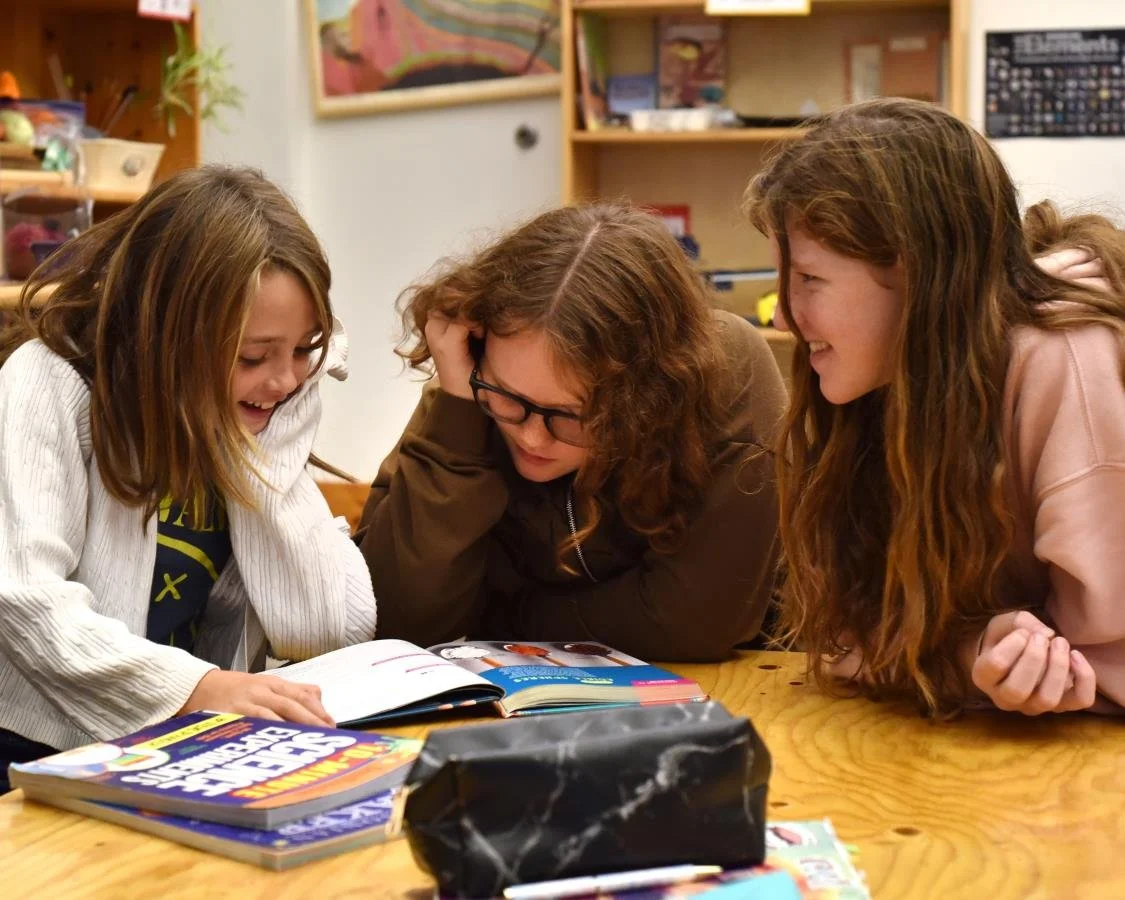
Learning Through Joyful Discovery
As Montessori teachers, we are trained to anchor our service to the child in the foundational principle that education should be an “aid to life.” To achieve this lofty, yet practical goal, we strive to foster the development of lifelong learners through the joyful discovery of specific skills and concepts, the wonders of the expanding world around them, and what matters to them and what type of person they want to be.