
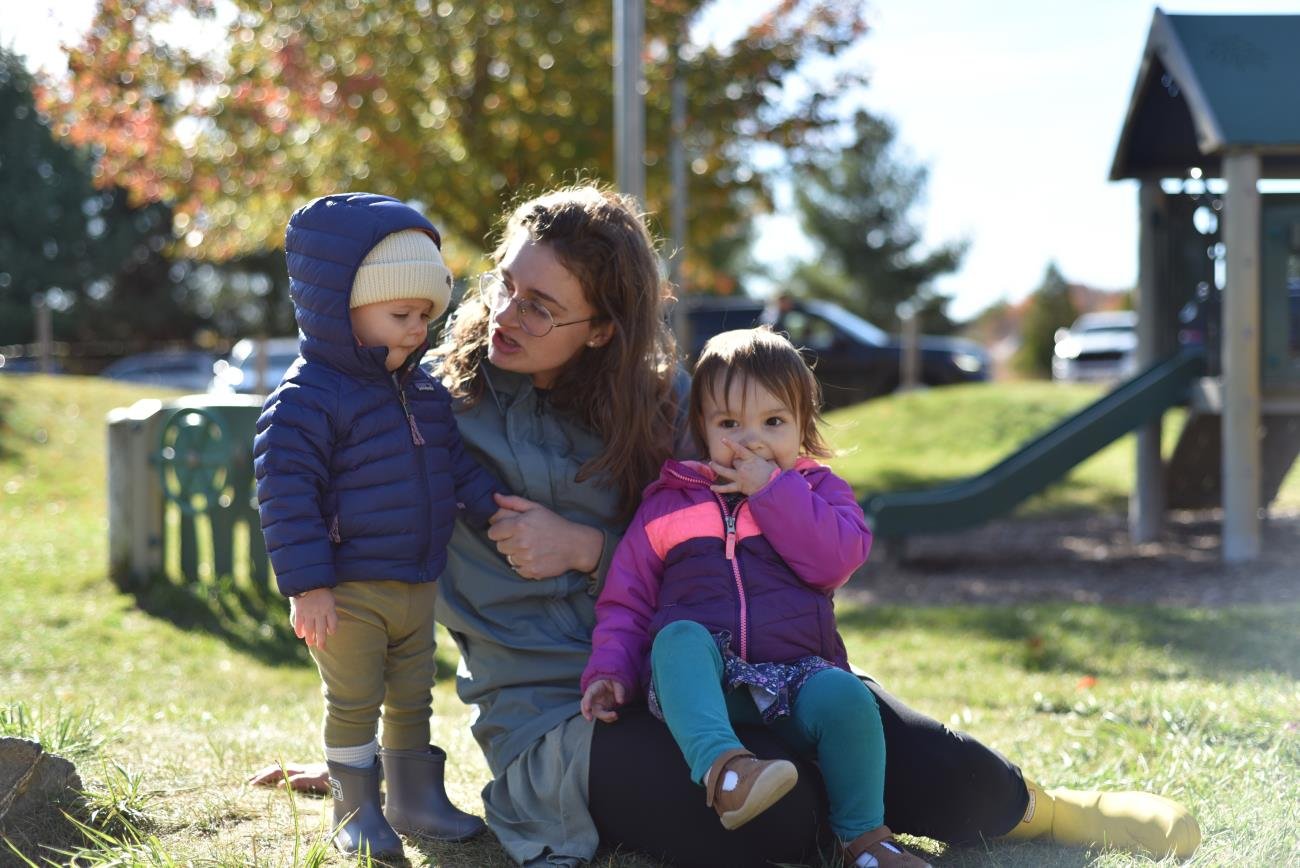
Slowing Down with Toddlers
Toddlers are curious, willing, and loving. They are strong-willed, know what they want, and are very driven to achieve it. They test and push the boundaries. They give the best hugs. They are painfully honest, have big feelings, and have many opinions about life. They are my favorite people!
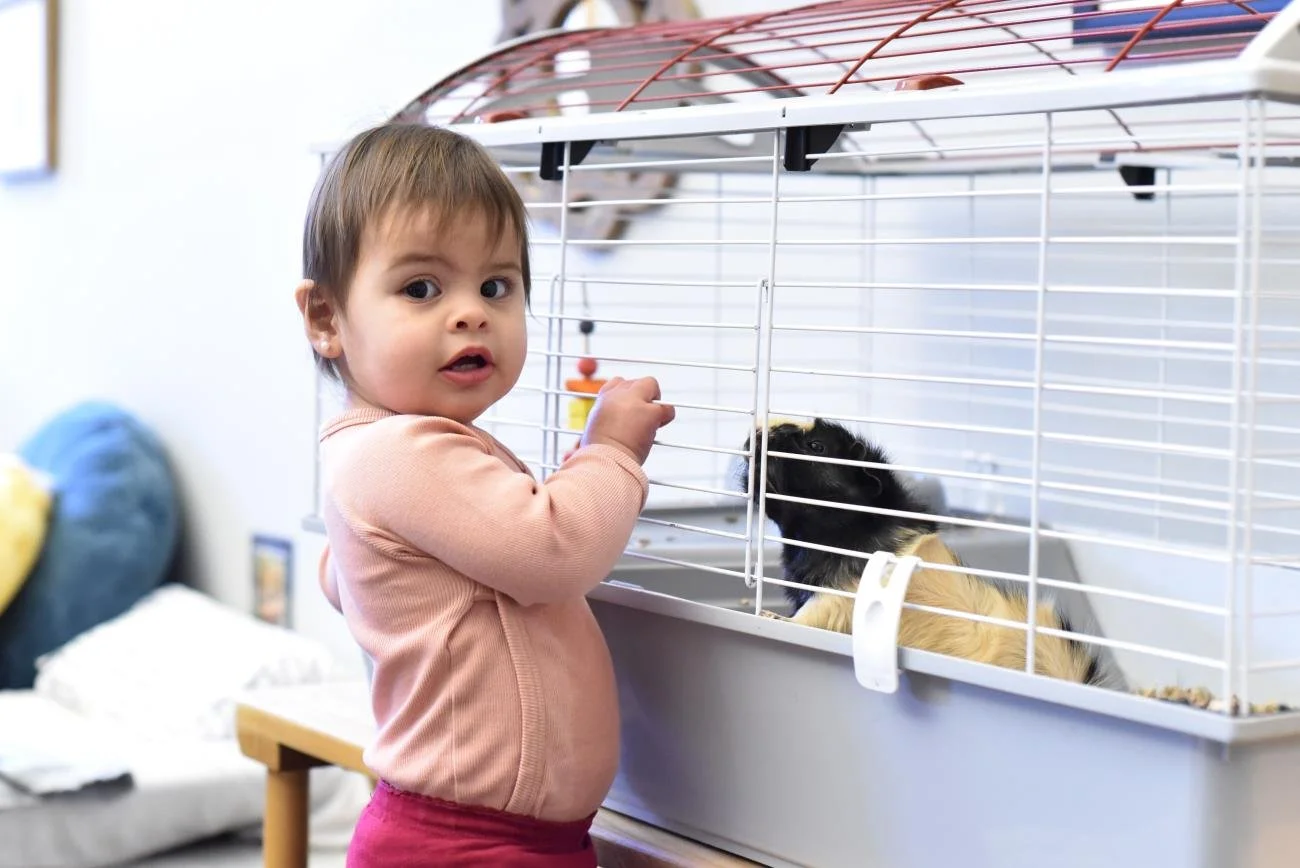
The Role of Classroom Pets in the Montessori Classroom
The Montessori philosophy uses classroom pets to connect students to the natural world and creates interconnections with all living things. The philosophy involves teaching empathy, compassion, practical life skills, observation, and curiosity. There are many ways in which a pet in the classroom fosters these teachings.
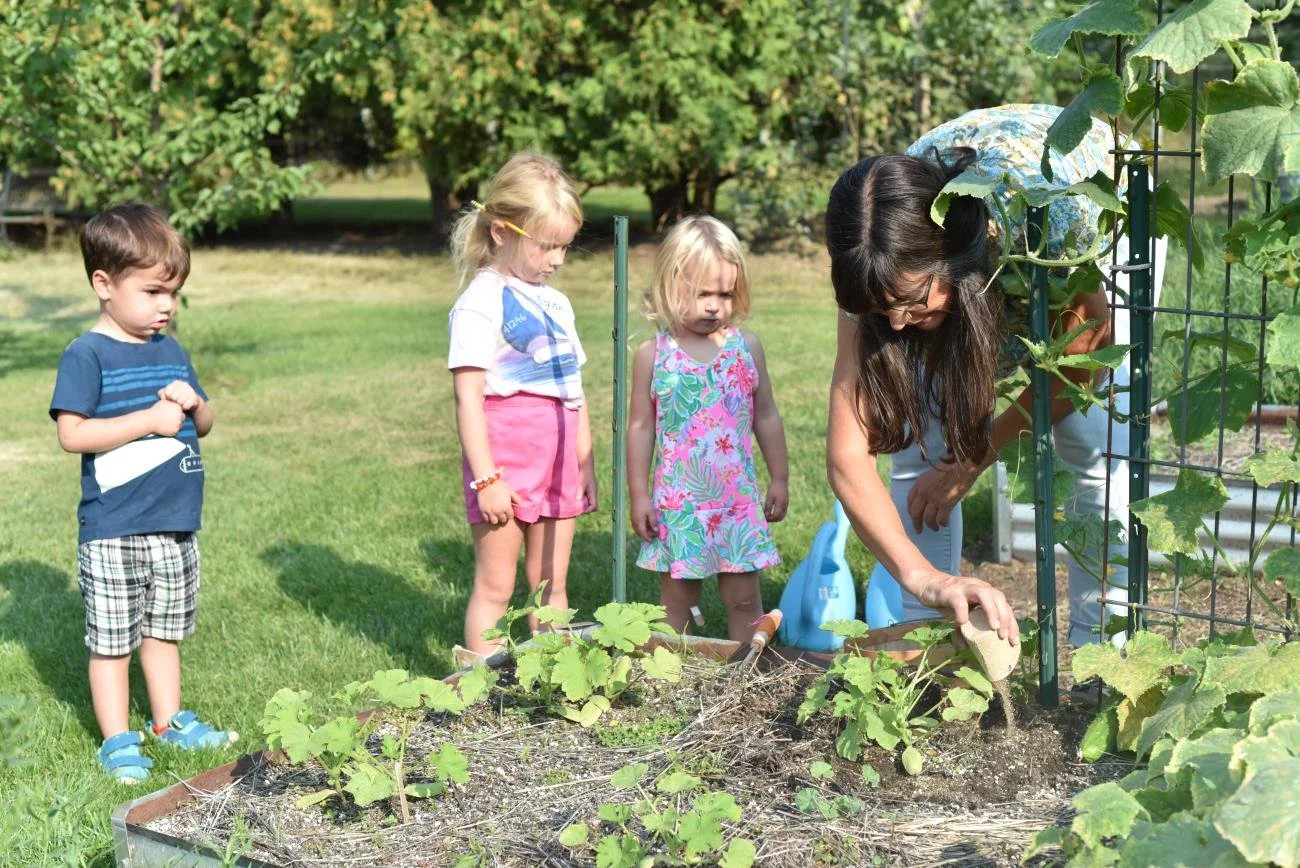
From the Garden to the Kitchen: How growing food helps us reach our full potential
I recently had a parent ask me about our food program; the “why” behind what we do. I found myself desperate to tell her about what we do now, what we want to do in the future, and most of all, the reason we have a food program in the first place. Since I live daily with the thoughts of how to make our food program better, more local, more delicious, and more of an experience that inspires our learners…
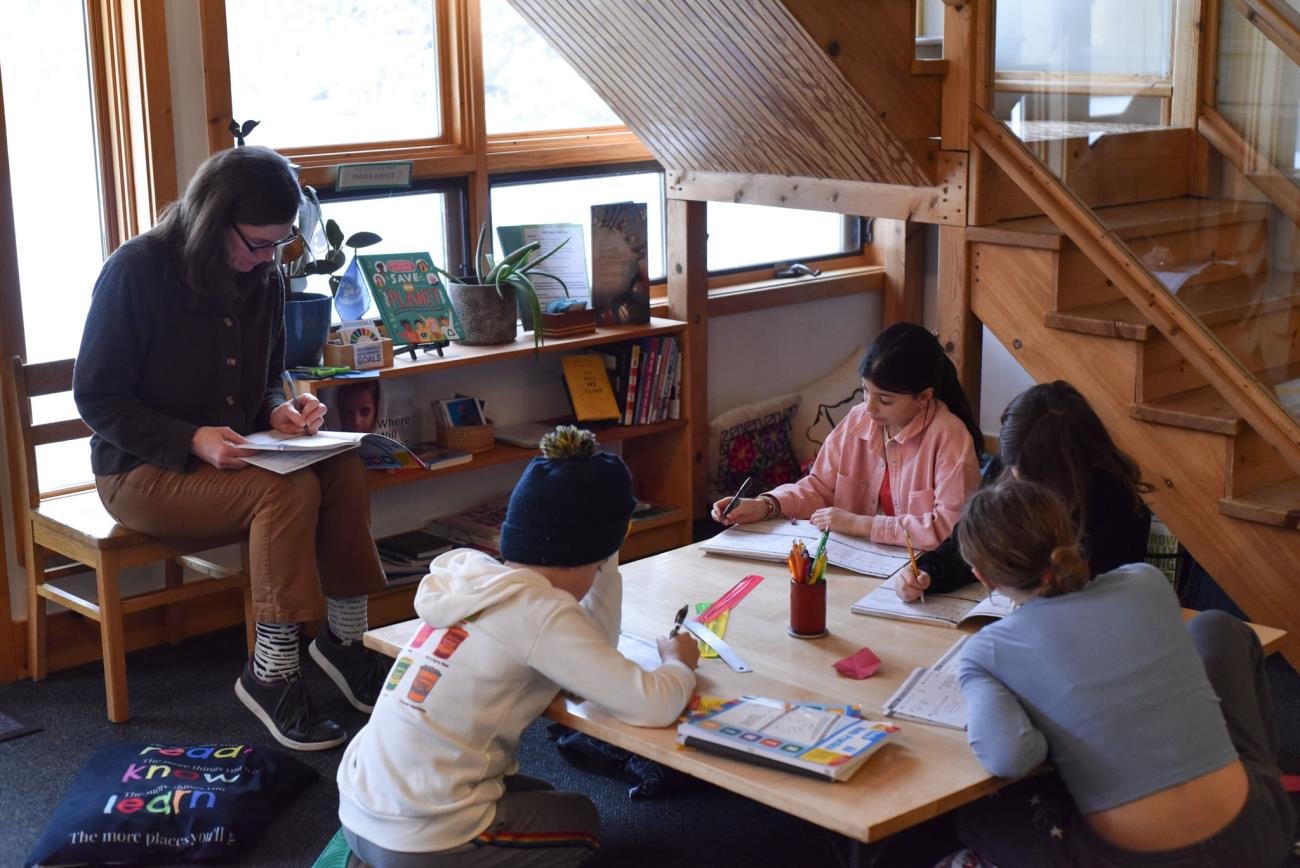
A Montessori Approach to Discipline
When sharing with friends or relatives that your child attends a Montessori school, you may have fielded the question, “They get to do whatever they want, don’t they?” This misperception of the concept of freedom with responsibility also invokes a more traditional definition and expectation of what discipline looks like at school.

Applied Technology Trip to South Florida
During the workshop, Applied Technology, we got the opportunity to travel to Pigeon Key and South Florida. The project we had to complete was fully submerging our team's ROV underwater and “flying” to the other side of the dock. The seven teams raced to see who could achieve the mission the fastest.
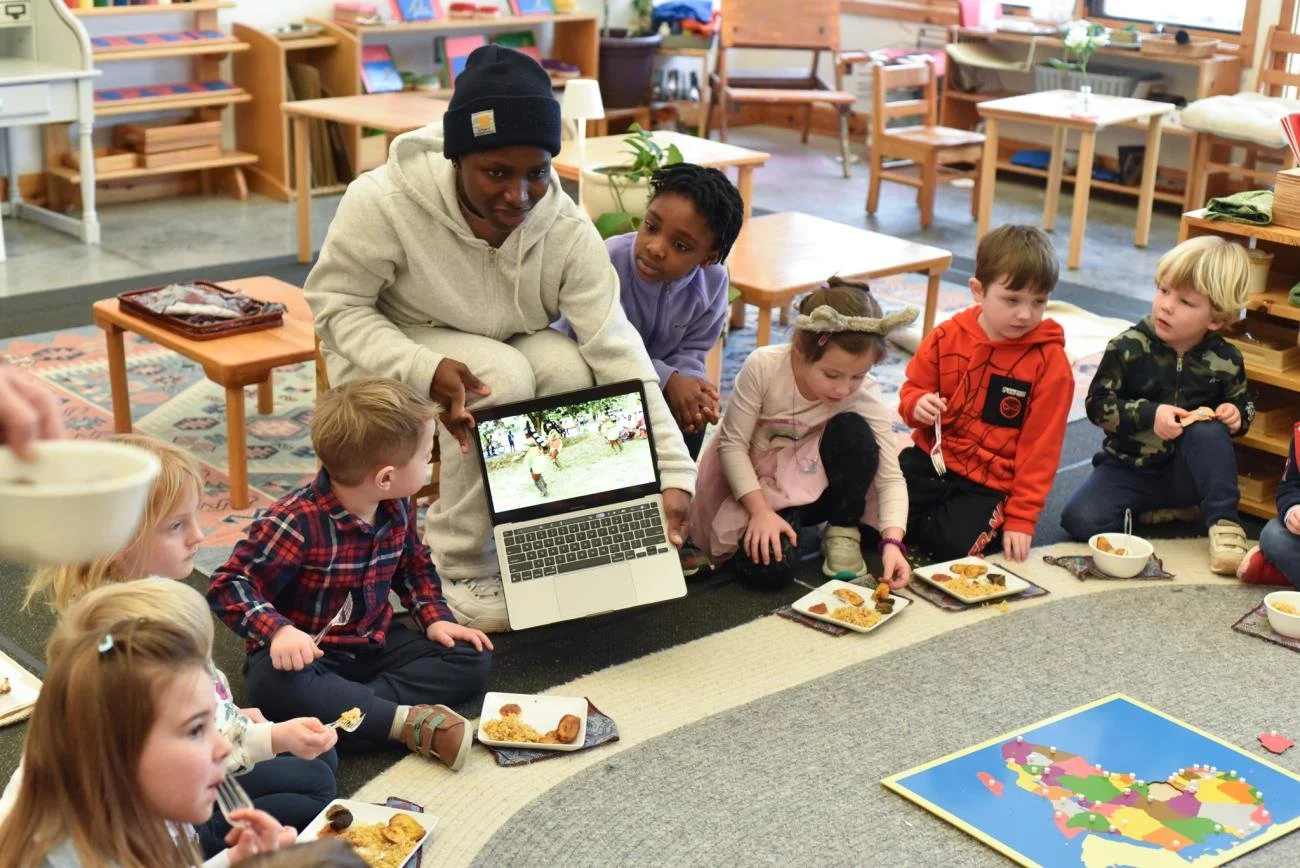
Incorporating Diversity into the Montessori Classroom
“The needs of mankind are universal. Our means of meeting them create the richness and diversity of the planet. The Montessori child should come to relish the texture of that diversity”
- Maria Montessori
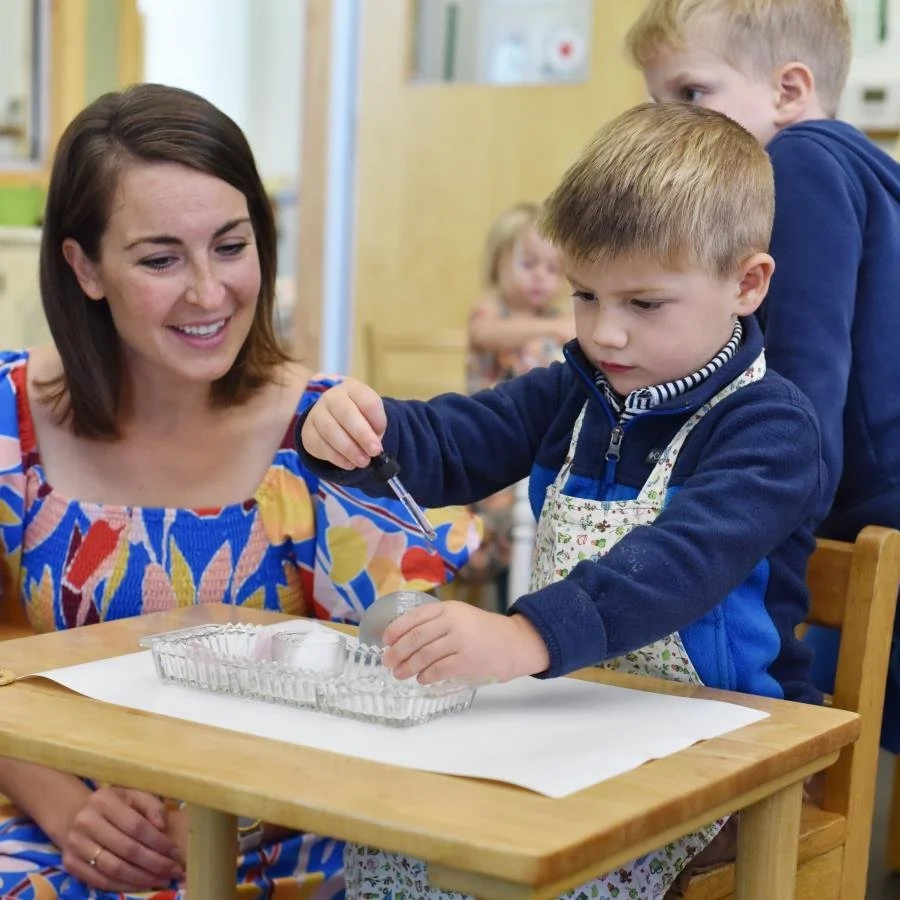
The Role of the Adult in a Montessori Classroom
Rather than seeing children as empty vessels, Montessori teachers see a bundle of potential just waiting to be realized. With this, the focus is on discovering these hidden potentials in children and supporting their development. This happens most effectively when children are actively engaged in their learning process.
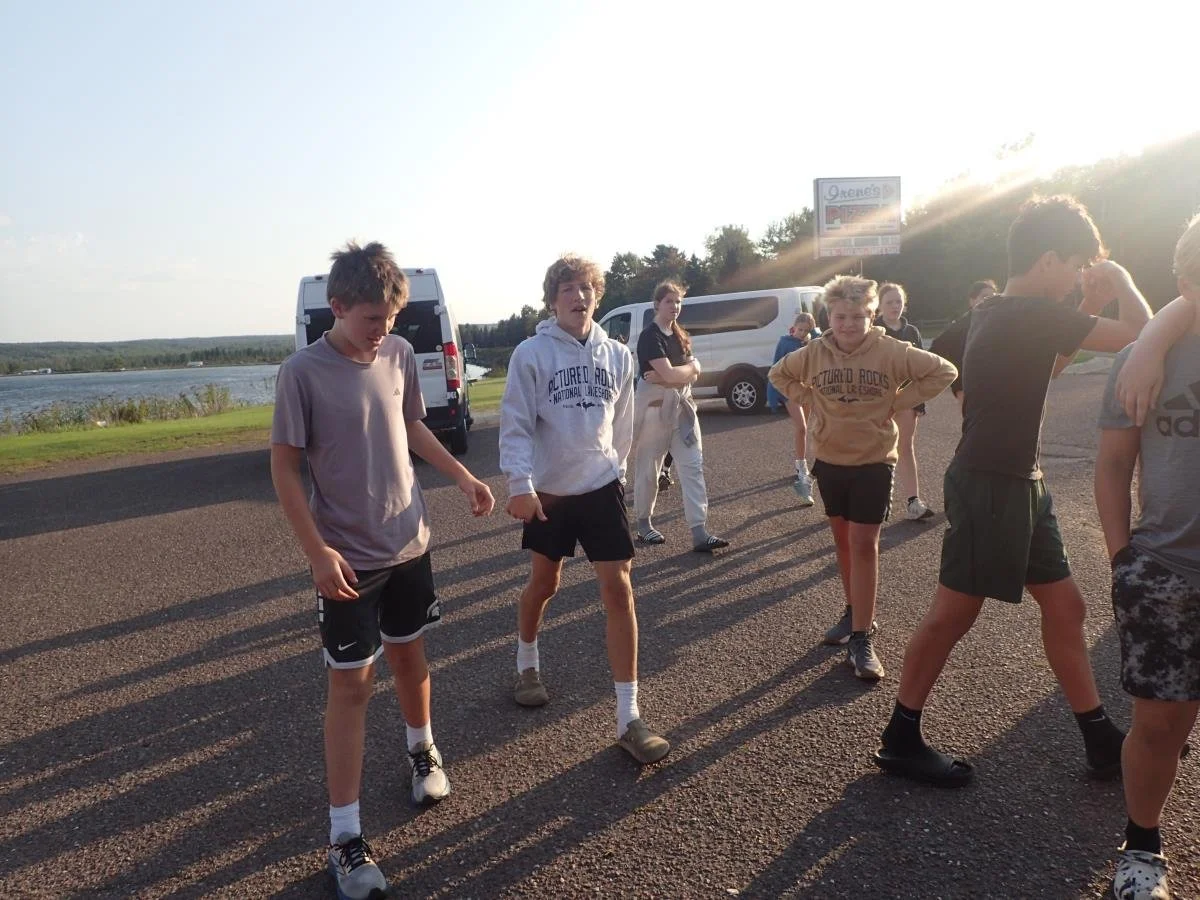
Autonomy Education
Having recently watched the new Bob Dylan biopic, A Complete Unknown, my mind is highly attuned to the realities of being a young person in a rapidly changing world. I left the movie deep in thought, thinking back at how I felt when I was first introduced to “The Times They Are A-Changin” when I was exactly the same age as my students at Compass Montessori Jr. High. Not unlike the early 1960s, the world today, and thus teenagers today, are experiencing massive cultural and technological transformations.
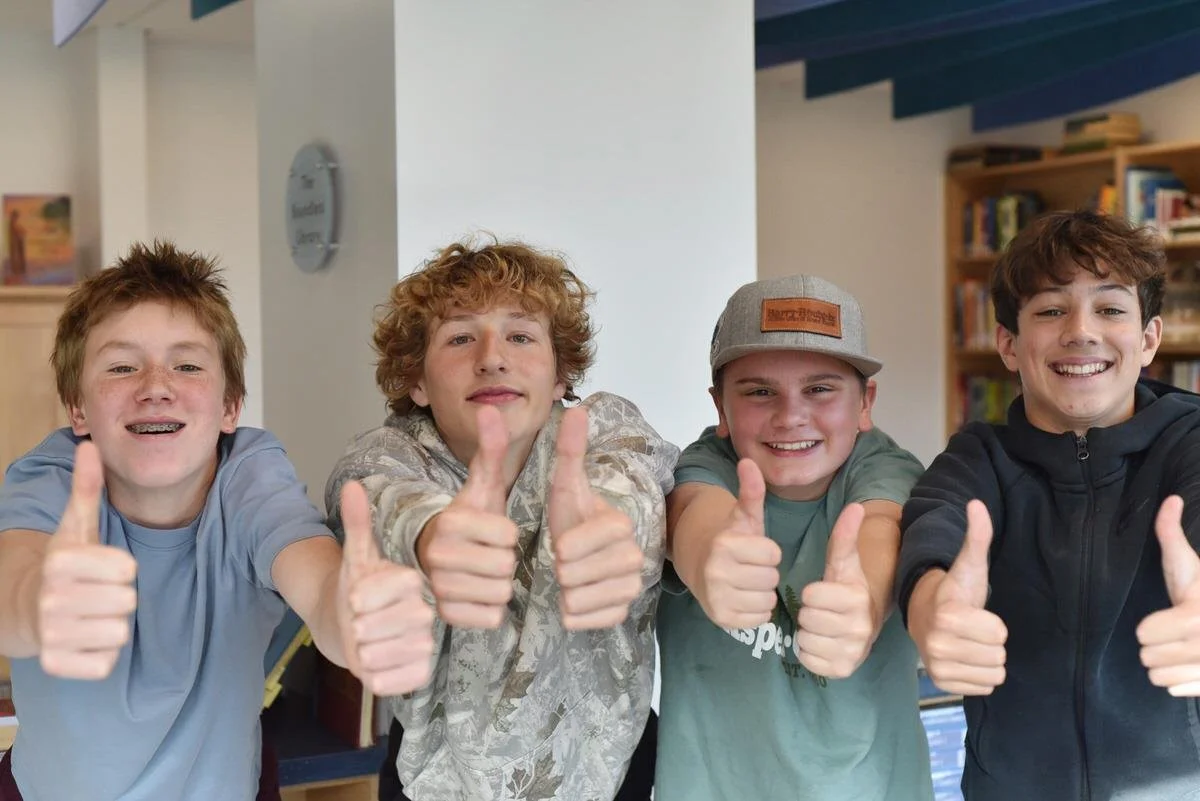
Connecting with your Adolescent
If you’re the parent of an emerging adolescent, you don’t need to be reminded that they are experiencing the first waves of a fundamental shift. They are Montessori’s “social newborn”, working out who and how to be in the society they have inherited. Their brain is undergoing a flood of changes, all of which influence decision making.
The Power of Social Stories
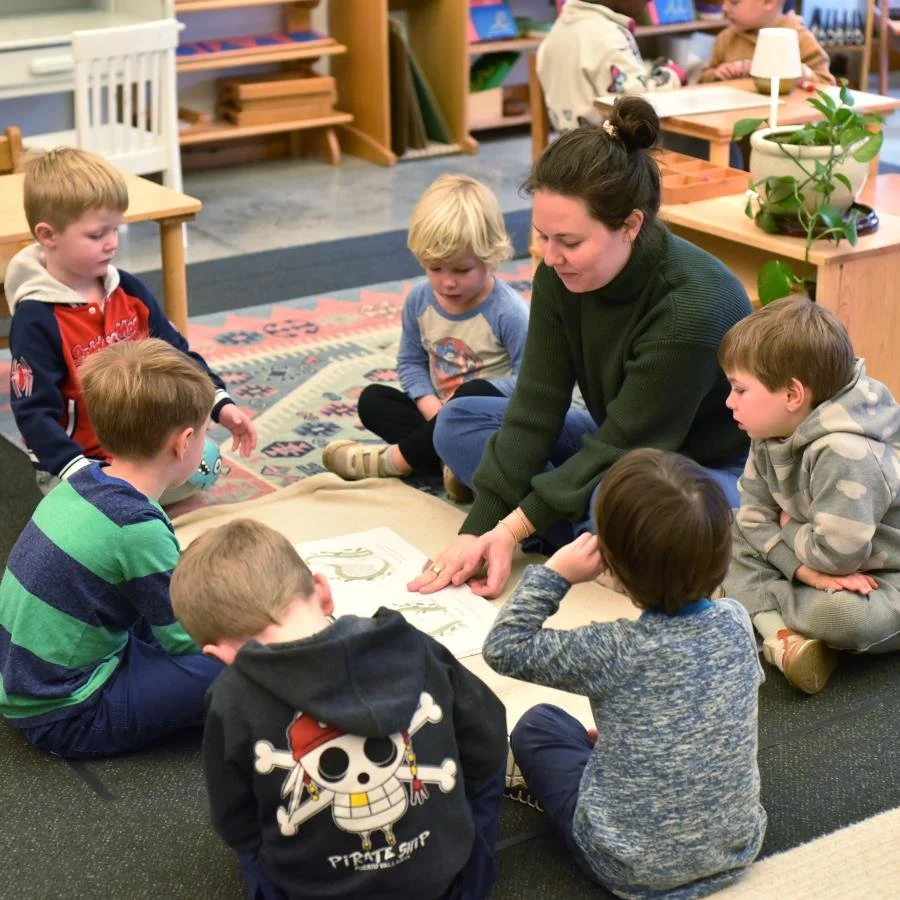
Can you think of a time when your child was in a full-blown state of dysregulation? Have you ever found yourself trying to reason with them in that moment and then become frazzled yourself because they are not open to hearing you? Research today tells us that when any human is experiencing this level of heightened emotion, parts of the brain responsible for reasoning become inaccessible.
Detroit trip 2024!
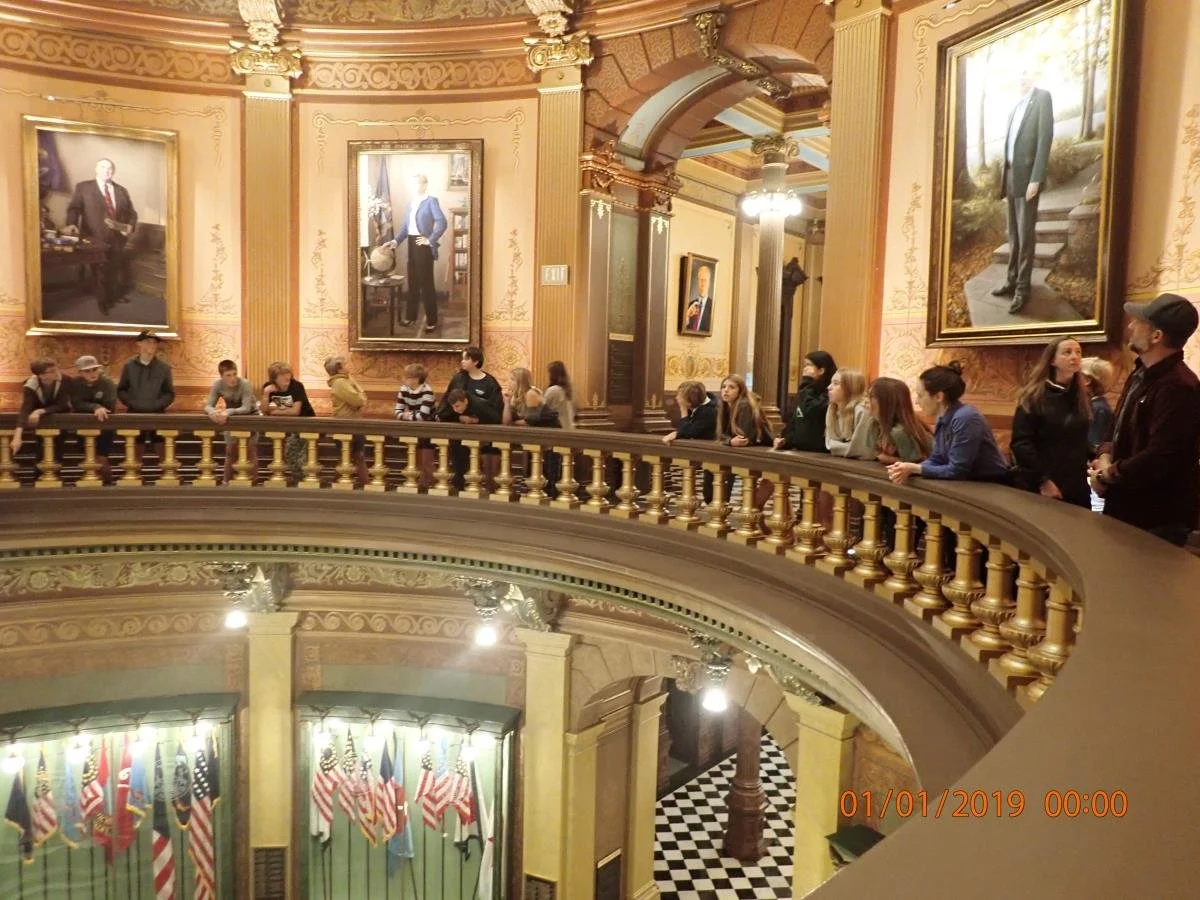
On Tuesday, October 22nd our class took our annual trip to Detroit. We stayed in Hostel Detroit for the week. The first day consisted of visiting The Detroit Institute of Arts and getting groceries at Meijer. The Detroit Institute of Arts came with many cool experiences. We split into van groups to tour the museum with our guides.
Harmony in the Home
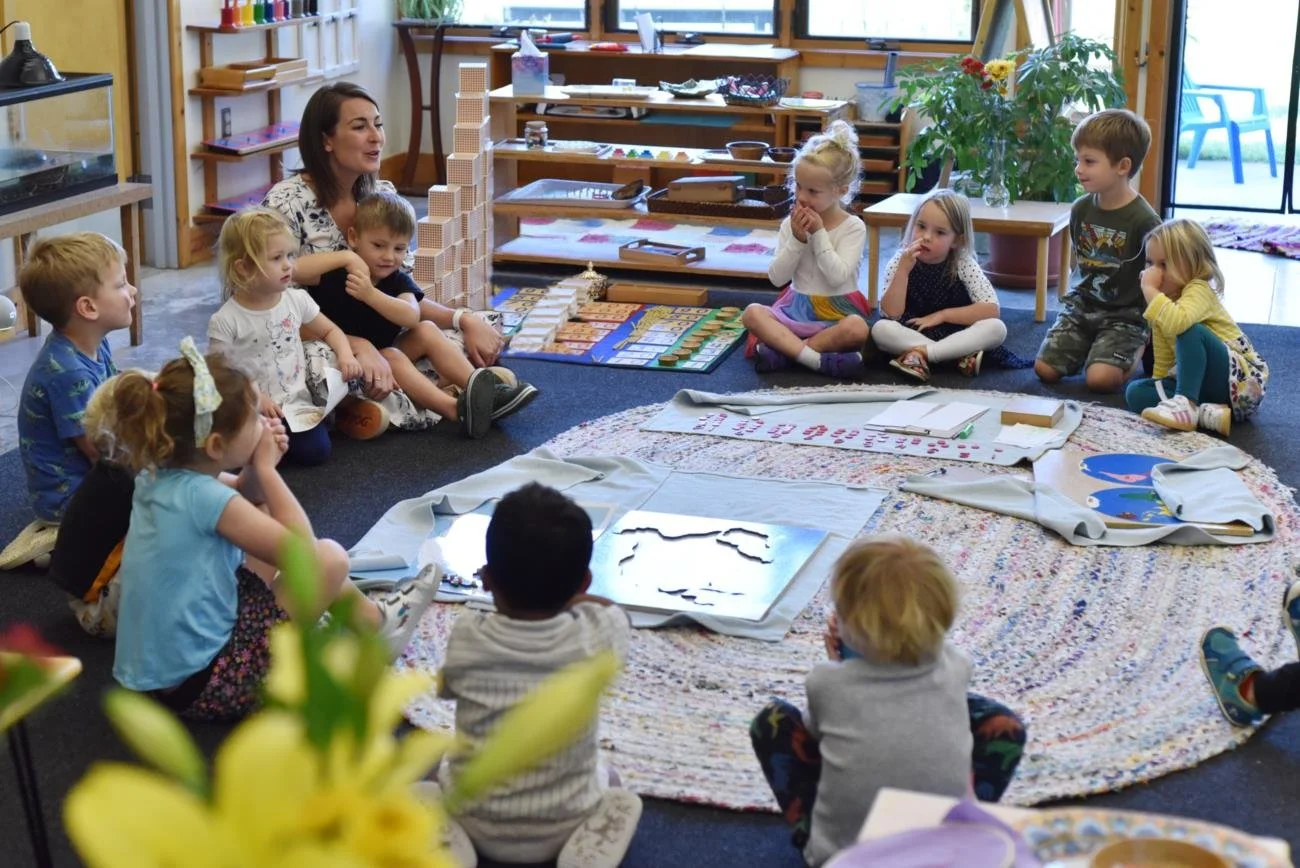
The topic of this blog is about ‘doing’ Montessori at home and it seems an impossible feat we set before you if all of a sudden the materials – the legacy of Dr. Montessori herself – are now off limits. What if I shared that another harmonious trilogy can be created within the context of your family?
Practical Life at Home
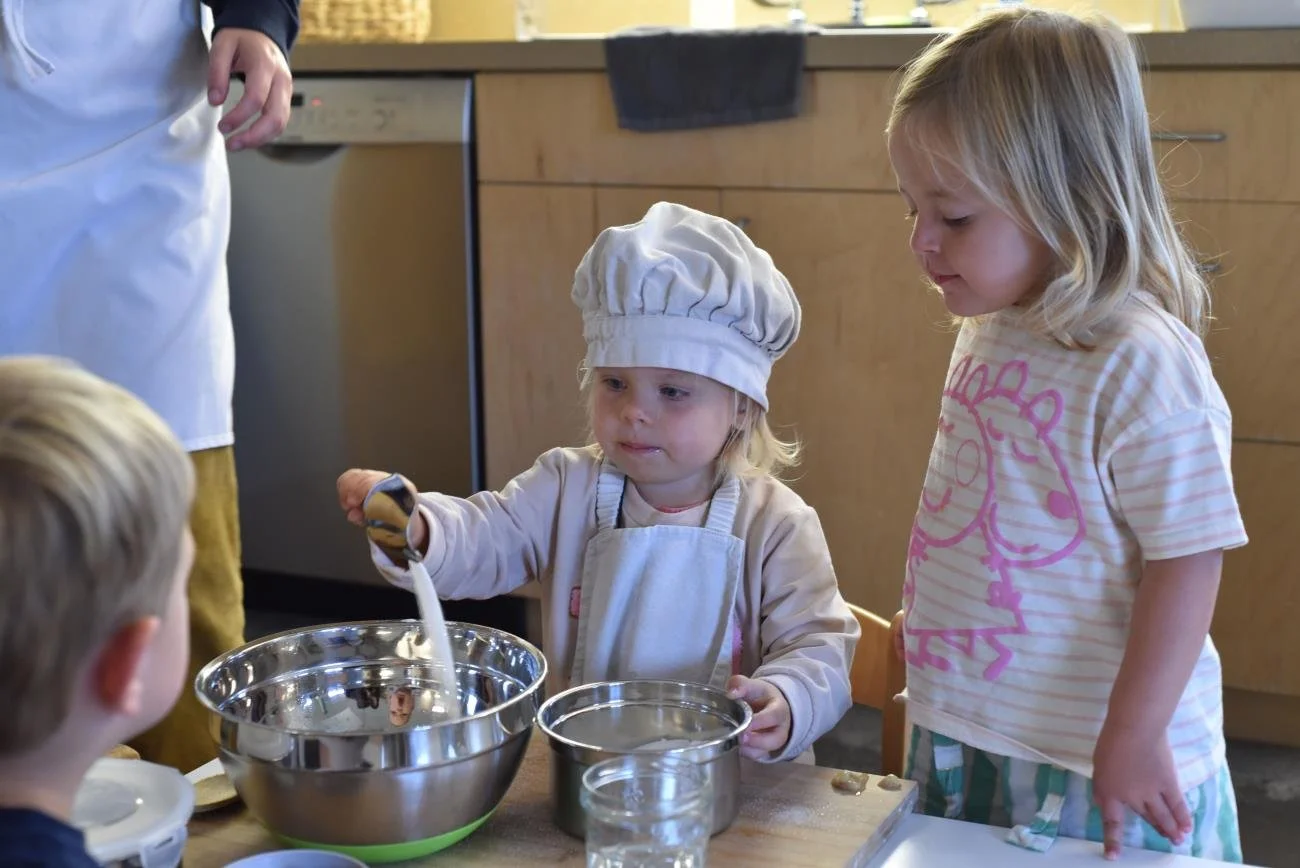
If you look to social media for ideas about Montessori for very young children, you will likely see lots of stuff. There are several materials in our classrooms that would be excellent in a home as well, but I would argue the best way to do Montessori at home is to include your child in as many aspects of daily life as you can.
Northern Michigan Experience
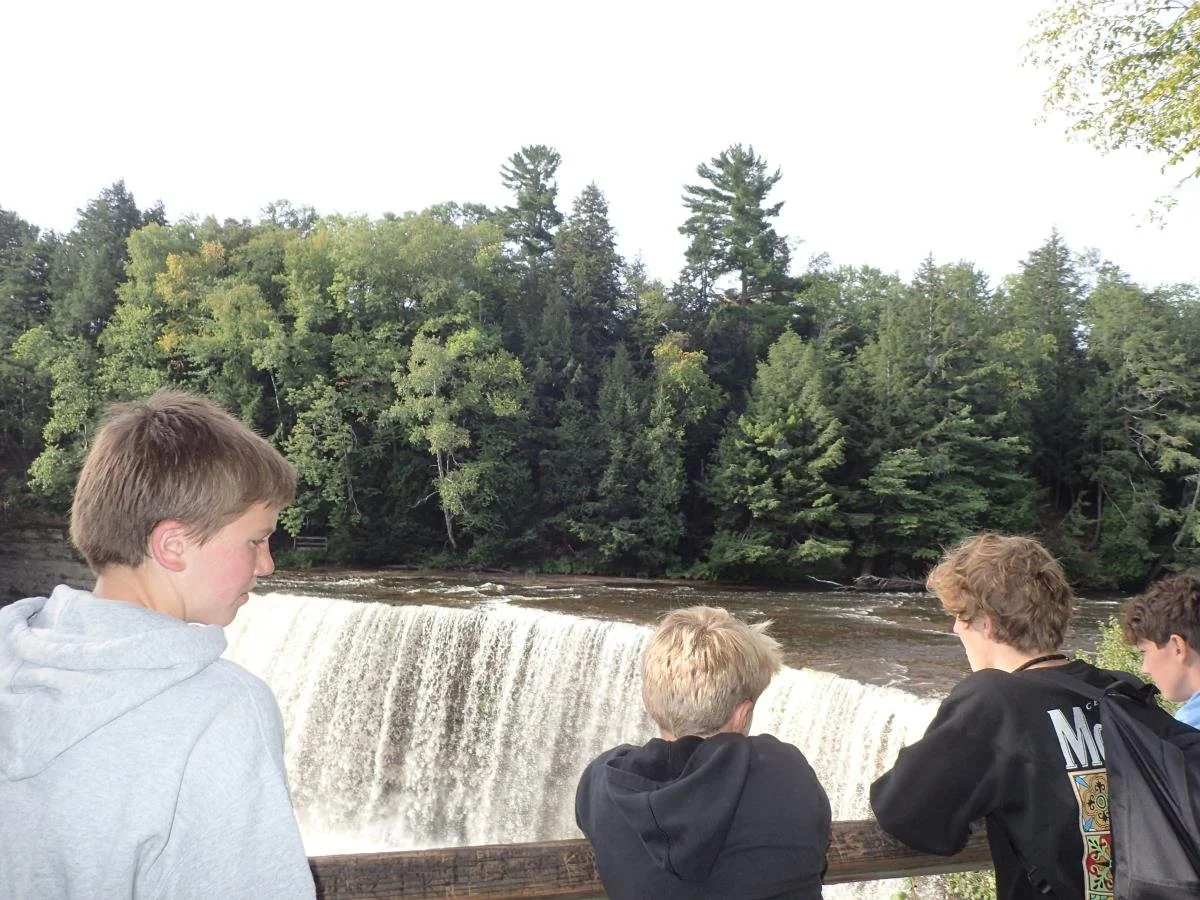
In the second week of school, our class took a trip to the Michigan Upper Peninsula. First, we visited Fort Michilimackinac. Fort Michilimackinac is a military outpost located in Mackinaw City. After, we visited the famous Soo Locks Boat tour. The Soo locks use gravity to move water in and out of lock chambers, allowing boats to travel through the Great Lakes.
Harbor Springs Trip
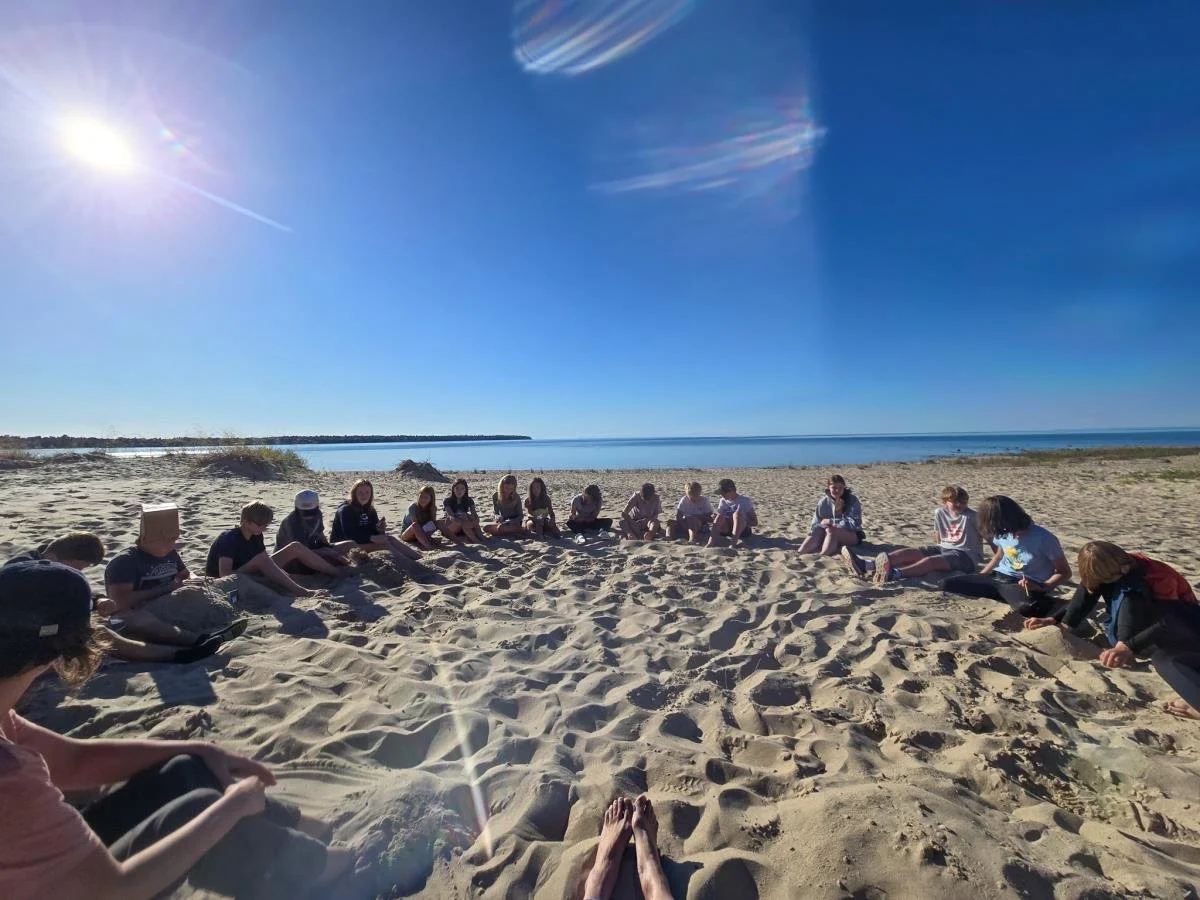
Our class traveled to Harbor Springs to learn about the Anishinaabe and their incredible and inspiring history. Eric Hemenway was kind enough to teach us about his culture and the history of Holy Childhood, a Native American boarding school. We stayed at Wilderness State Park for the night and enjoyed Odawa classics that consist of wild rice, squash, and for a main, delicious fish.
Orienting the Compass
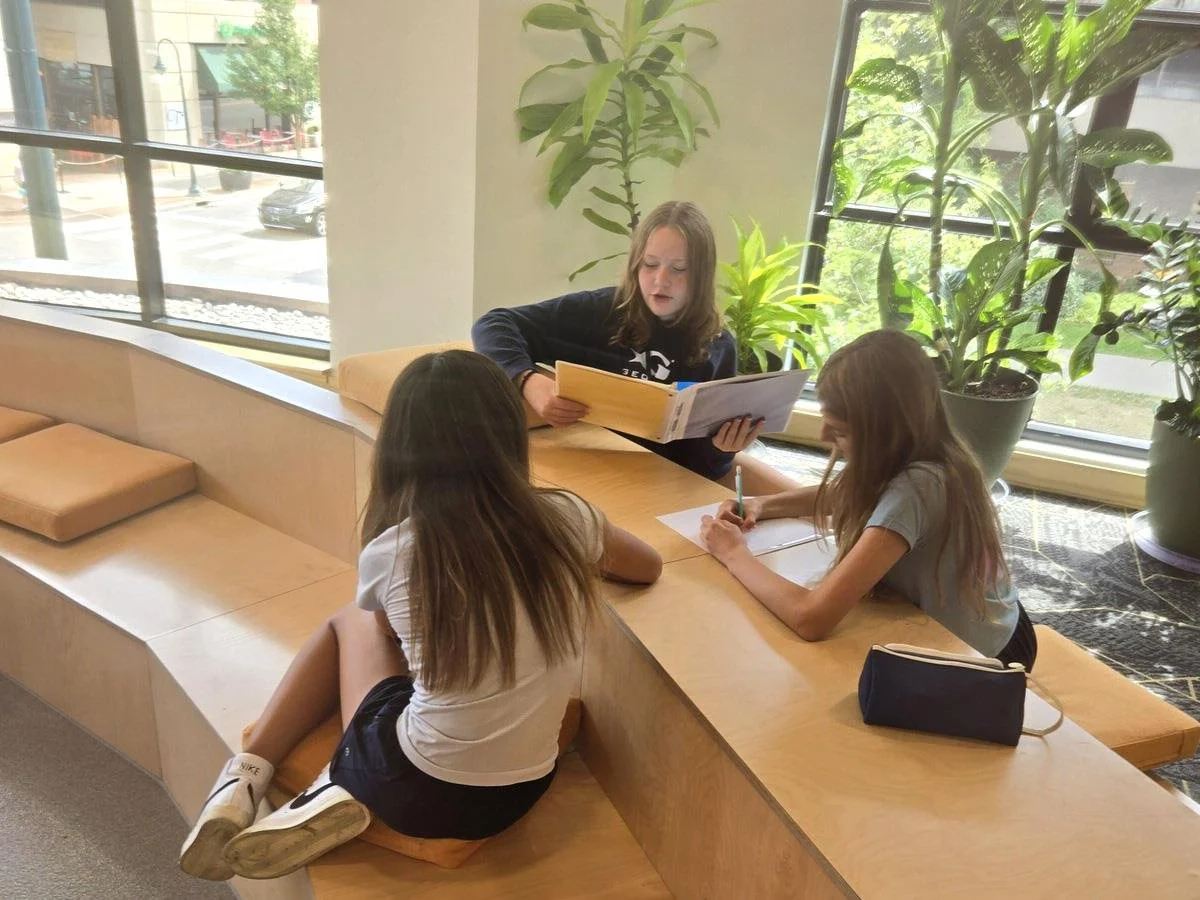
Every year the intention of September is to orient new members to our community, challenge our returning 8th years with increased responsibility, and then unite the two groups into one. Week one begins with a staggered start with the 8th years arriving first to discuss their vision for classroom roles and responsibilities.
How to Talk to Your Children About School
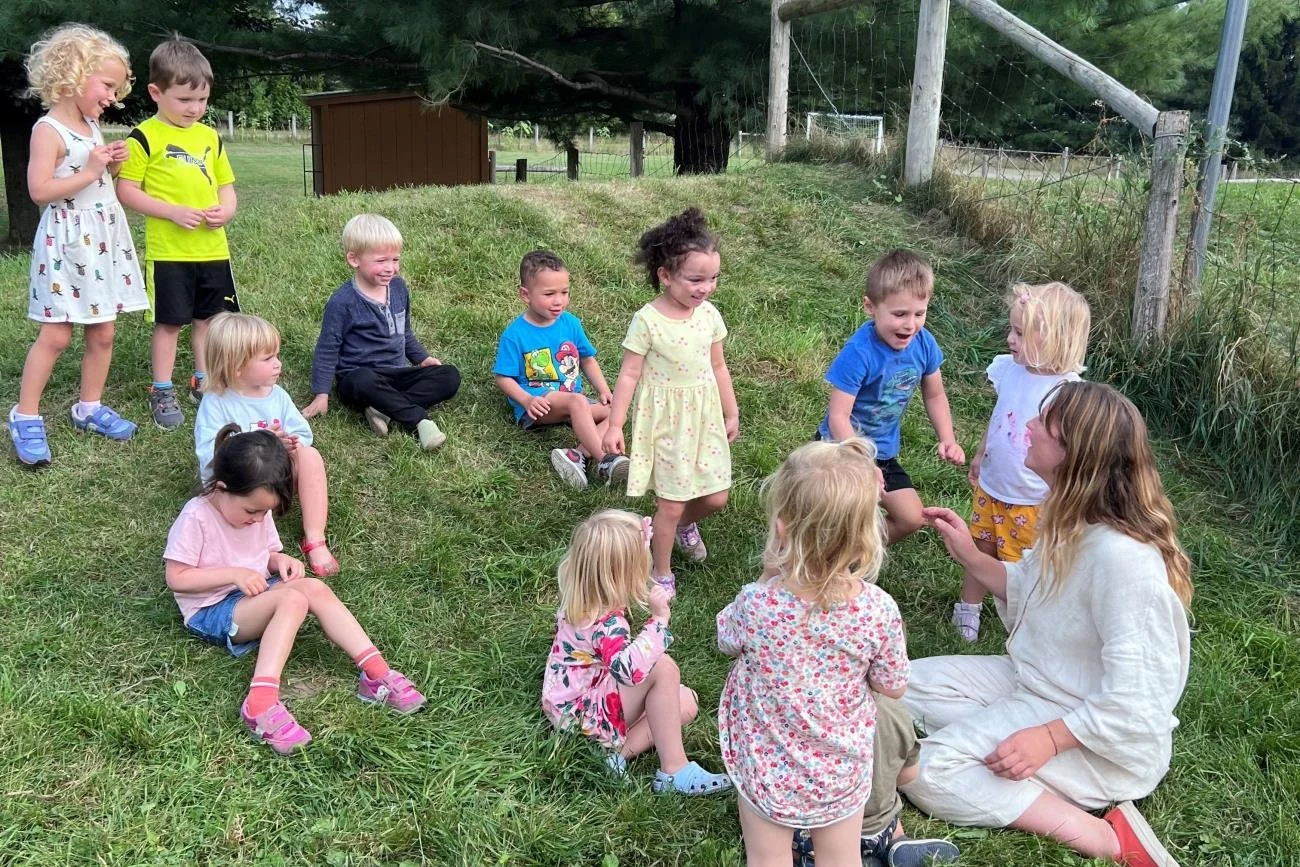
One of the wonderful things about sending your children to school is that they get to experience a whole world outside of their lives at home. They are experiencing what it’s like to be a part of their school’s community, make friends, connect with the adults, and change and grow as individuals. As parents, we understand the importance of our children having these experiences on their own, but we also want to know about what goes on during their time away from us.
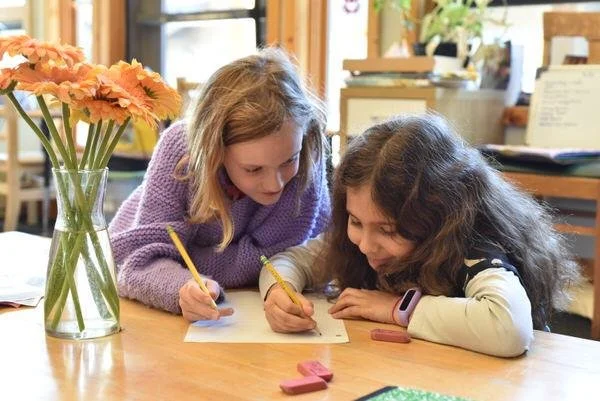
Social and Emotional Learning
As I sat in a Lower Elementary classroom observing during the morning work cycle, three children surrounded a rug working on a math material.
“It is my turn to move the beads on the bead frame,” one student says.
“No you went last time, it’s my turn,” says another.
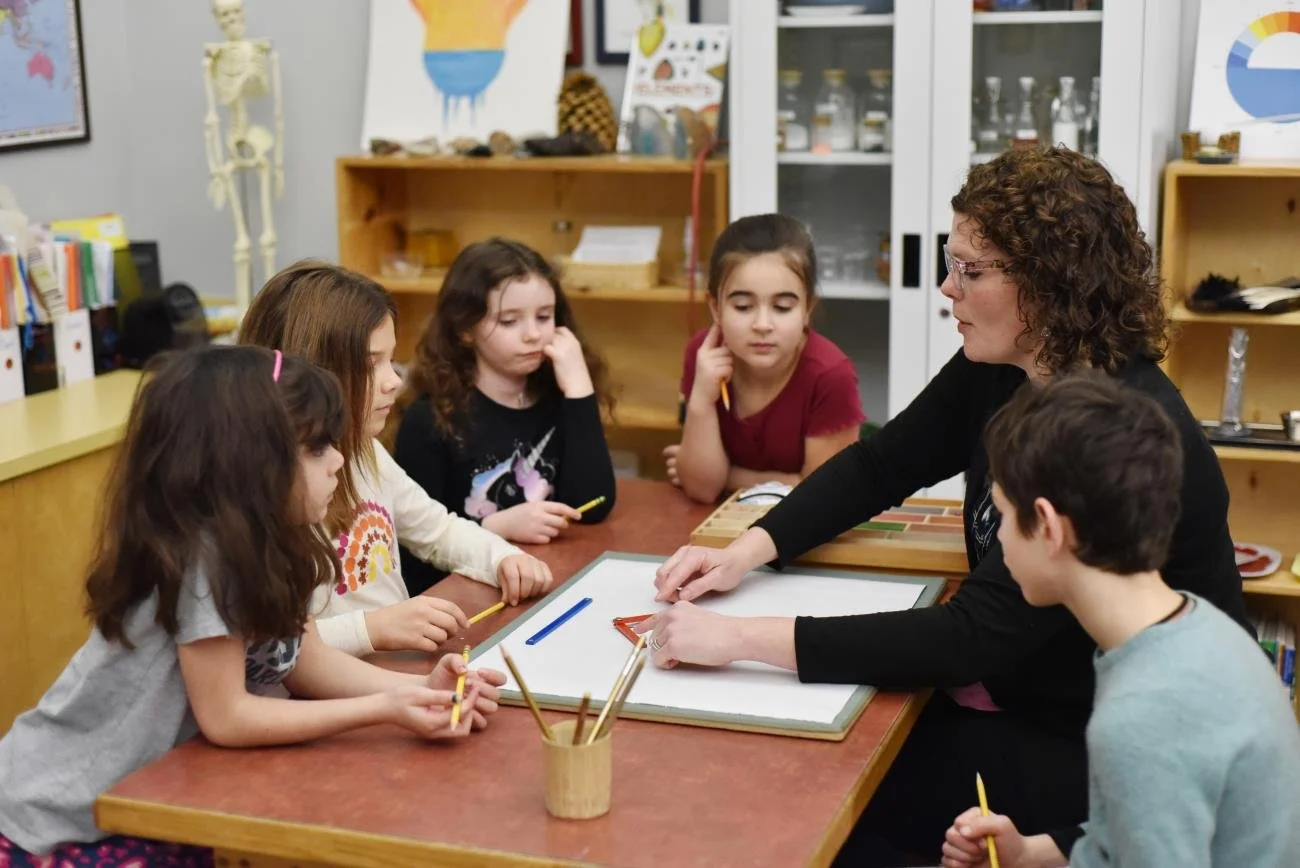
Takeaways from the First Year of Being a Montessori Guide
Every step of my journey to becoming a guide has felt fortuitous, and I attribute much of this to the unwavering support of my colleagues, family, and friends. Their efforts, going above and beyond, have made my training and my first year in the classroom a genuinely enriching experience.
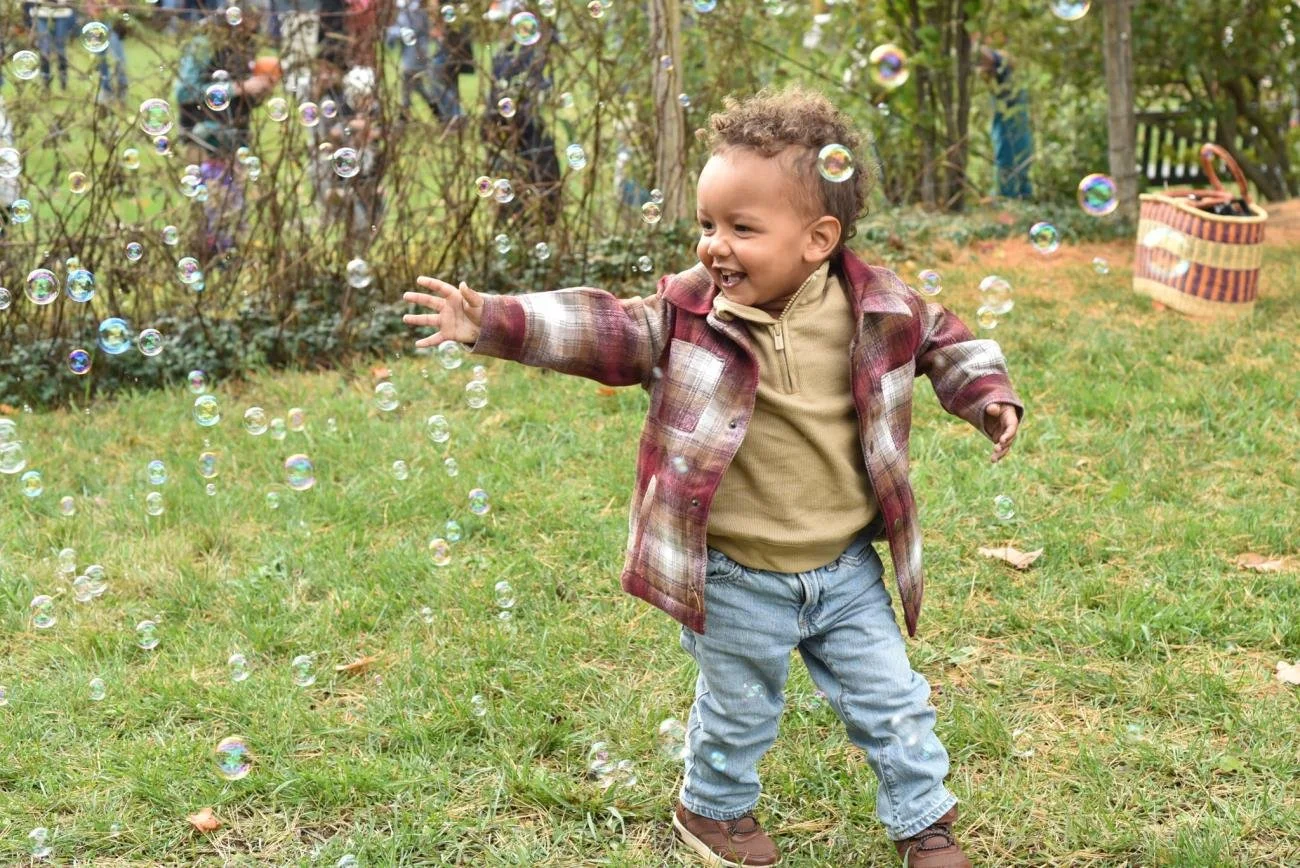
TCH Traditions
As the 40th school year of The Children’s House comes to a close, we prepare to participate in some of the time-tested, community-building, heart-warming traditions that make our school what it is to the children, the families, and those who work in this community of learners. These traditions and others throughout the year enrich all of our lives and create the culture that binds us together from the youngest child in Nido to the graduating 8th year. Sharing our traditions with those who are new to our community helps them obtain a deeper understanding of what matters to us and hopefully connects them to our community on a deeper level.