Openers
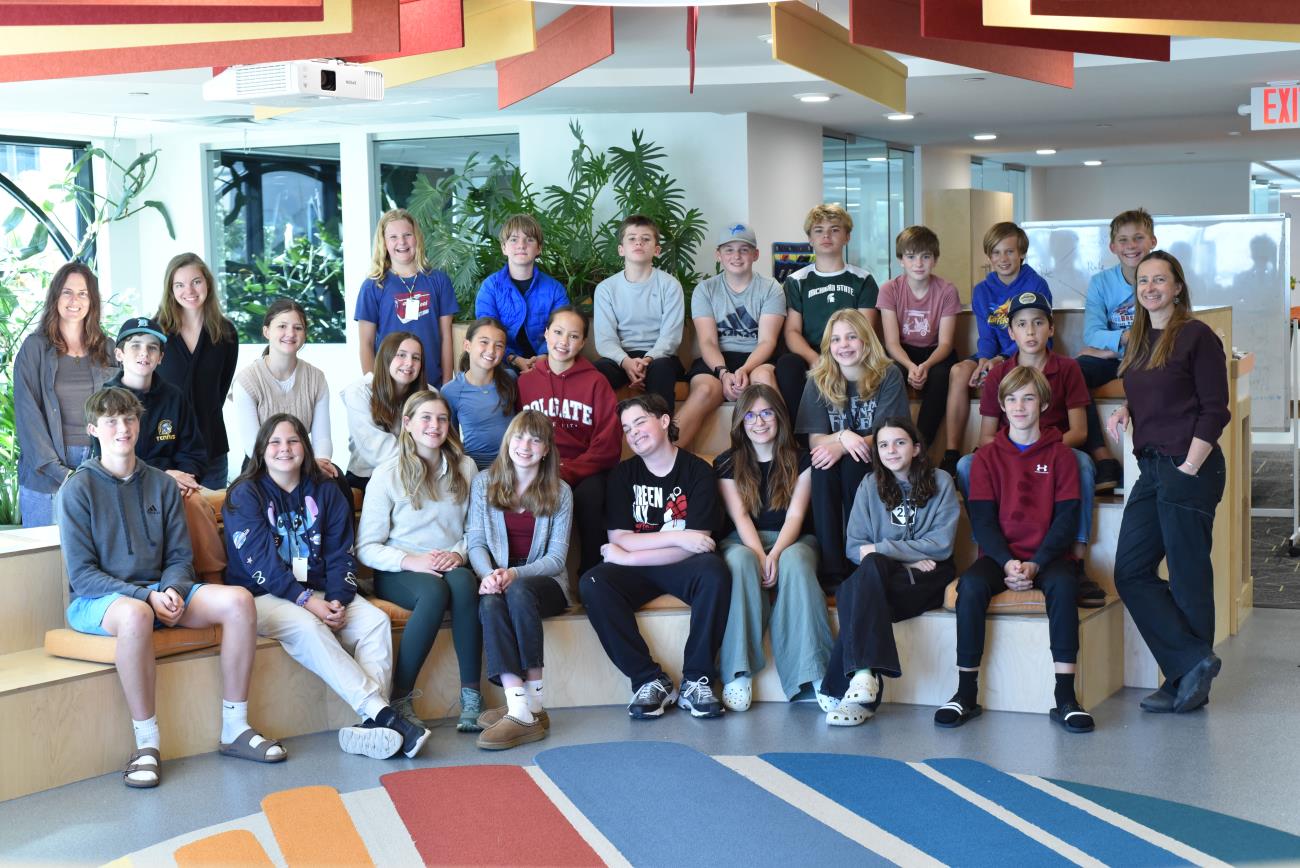
Welcome to Compass! After settling in and preparing for the day ahead, we begin our day with Openers, which are held in the first twenty-five minutes of the morning.
Mondays and Fridays, Student Senate gathers while our “Bookends” silent reading commences. Learners dive into books checked out from our Compass Library, a workshop-related book, or a novel from home. Across the space, Student Senate meets to discuss events, fundraising, the calendar, and other queries, comments, or concerns. The Senate collaborates, distributes tasks among committees, and discusses logistics with peers, administration, and community members.
Tuesdays, Wednesdays, and Thursdays, Openers are collective. Openers span topics such as critical thinking and life skills lessons, workshop-related content, applied math, storytelling, or other creative endeavors. It is a time to analyze, annotate, write, reflect, or read a local newspaper and report back!
Morning Meeting
Shortly thereafter, facilitators prompt the morning meeting. Learners rotate roles as facilitators and contributors throughout the semester, ensuring everyone has a chance to facilitate and share. All learners are encouraged to share input, news, job reports, or positive thoughts in the morning meeting. There are several components of the morning meeting:
- Daily Inspiration (contributors share song, quote, or source of inspiration)
- Agenda > Add-ons
- Community agreement of the week (facilitators choose one community agreement)
- Job Leader reports (progress, news, flagged information, communication)
- Current events (contributors share a current event and its relevance to their life)
- Issues and solutions (opportunity for all be heard, give a reminder/request, offer a solution)
- Compliments, gratitude, apologies, and positive thoughts
Finally, learners organize their daily, monthly, and future logs in their bullet journals. Daily logs keep an open tab on what they are accomplishing throughout the day, what tasks are happening in their lives outside of school, and what work they may be continuing at home. Monthly and future logs hold deadlines and goals.
After checking in with advisors, learners are off to their respective chores and preparing for our first rotation.
Morning Workcycle and Rotations
The 3+ hour Morning work cycle is exactly what it sounds like, a time for work. This work includes, but is not limited to:
- Lessons in ELA and Math
- Workshop lessons (Humanities and Sciences)
- Classroom roles
- Group work
- Snack
- Self Expression
- “Mind up” (Social emotional learning)
- Advisory
Every day, except Tuesday, learners rotate through lessons for math, language arts, and our workshops. Groups are small, ranging from 5-8 students per group. Workshop lessons integrate history, science, language, math, and self-expression through a common theme. We have 5-6 workshops per year, running 4-6 weeks each.
Tuesdays are our days for open workcycle. Learners schedule meetings with their work teams, advisors schedule time with their advisees, and guides also have time to follow up with individuals or small groups on items that require support through “side by side” work. During workcycle you may see a Senate committee working on a fundraising project, or Class Supervisors creating schedules for chores and current events. You may also see a learner having a meeting with a guide, going over edits for writing, or following up on a homework problem for math. Someone may be meeting with Trisha, our Mental Health Consultant; someone may be meeting with their advisor discussing goals; a team may be writing a snack menu for the next week. Art projects, research, writing, planning, collaboration, leading, learning, and creating are only a few of the activities that happen during this time.
Each learner has a role, a set of responsibilities, that they contribute to the community. From food preparation to thank you cards, to managing our schedule and agreements, or planning our trips, each learner is leading, managing, and/or contributing to the work that keeps our classroom running smoothly.
Lunch
Our learners are able to order lunch from a restaurant three times per week: sub sandwiches from Jersey Mikes, pizza from Paesanos, and pho or rice bowls from The Good Bowl.
Cleaning the Classroom
Everyone works together with their Classroom Role group to clean a designated area of the classroom. Each group creates a system to hold themselves accountable for the tasks that need to be accomplished. Navigating the social dynamics that arise from freely organized chore time is an important part of their daily work. Learners decide daily how they will show up for their peers. Our Class Supervisors ensure that the chores are complete before learners return to the circle, ready to head out for the afternoon activity.
Recess or Gym
We rotate through local parks for free outdoor time on recess days. Some enjoy playing volleyball, basketball, and football. Others create games, play with natural elements, and tell stories. Uninterrupted free play continues to be important for adolescents in an increasingly scheduled society. Two days a week, we go to the YMCA to play racquetball and basketball, and practice volleyball skills.
Closing Circle
We gather in the circle one last time for a grounding activity. This often includes reading aloud. It may also be a time for mindfulness, sharing issues and solutions, or updates from a Classroom Role team.
Spanish
Spanish I is a high school course of language fundamentals offered by a Northwest Education Services teacher. Our learners get a chance to practice formal exam taking and navigating the expectations of an additional teacher, while honing their Spanish speaking, reading, and listening skills.
Bullet Journal Checkout
Before learners head out the door, they circle back with their advisor to share the day’s progress and emerging tasks as recorded in their bullet journal.
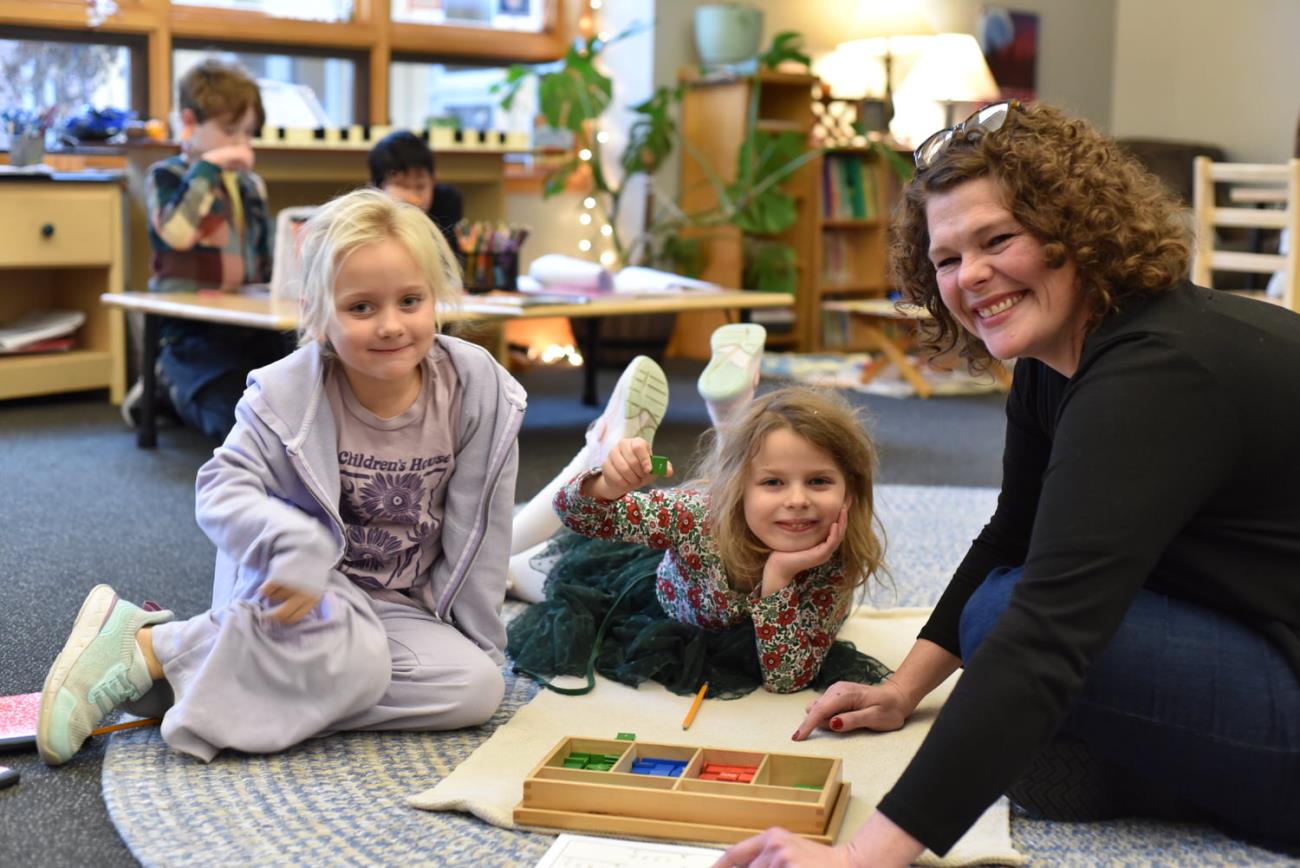
As we closed out 2025, I found myself in a deeply reflective space. Looking back on the year felt natural, but my thoughts quickly moved beyond that and into reflection on my Montessori journey.
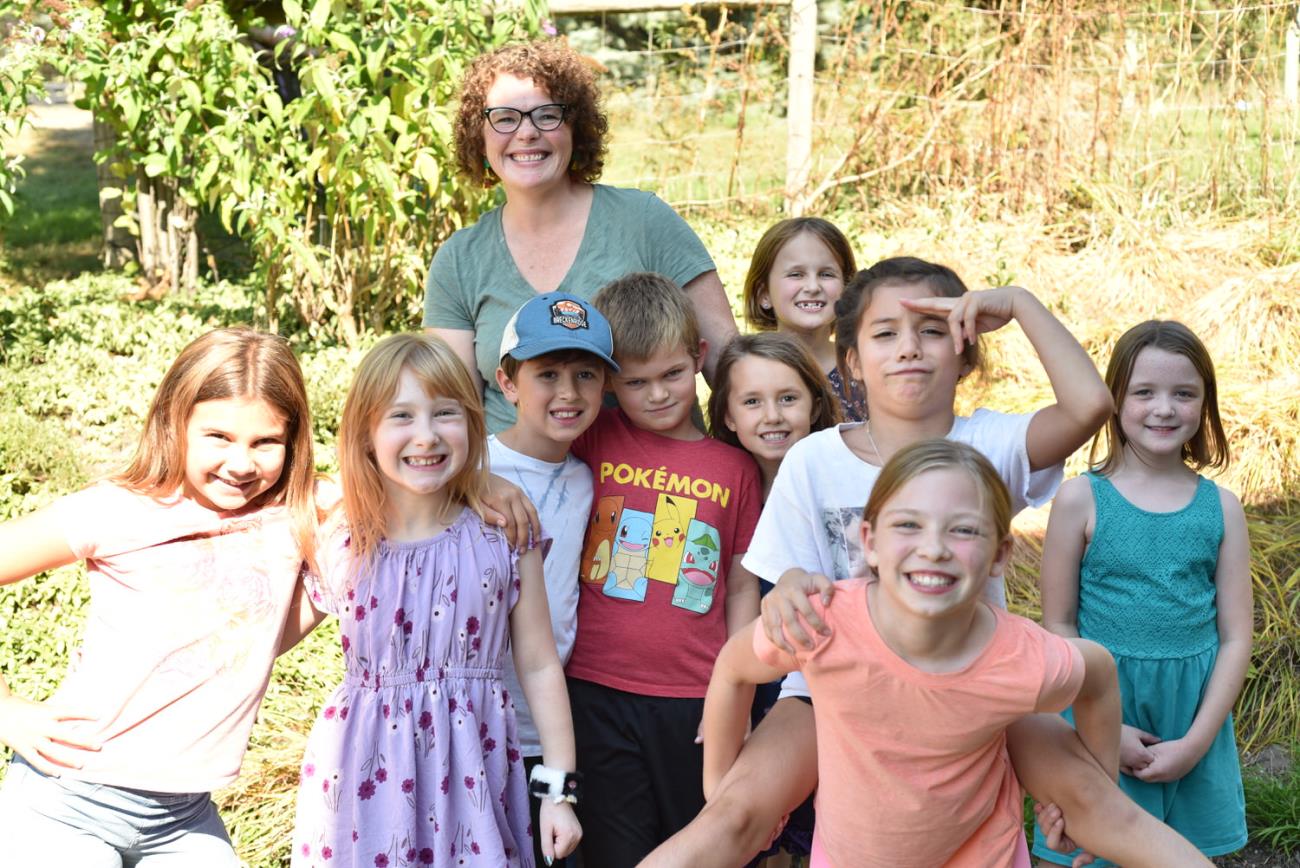
When I walk into Willow Classroom, it feels like a second home—natural, cozy, and inspiring. Over break, I spent time thinking about why that is. In truth, this reflection first began during the Montessori Up Close journey. I had the joy and honor of returning to a toddler classroom and following the path all the way through junior high. That experience transported me back to my very first visit to our Montessori school in Tennessee. As I walked through Annie’s Trillium classroom, vivid images came flooding back—Mollie at the washboard, Mollie in a baking hat at the baking table. I was instantly grounded in the emotions of being a brand-new Montessori parent 11 years ago.
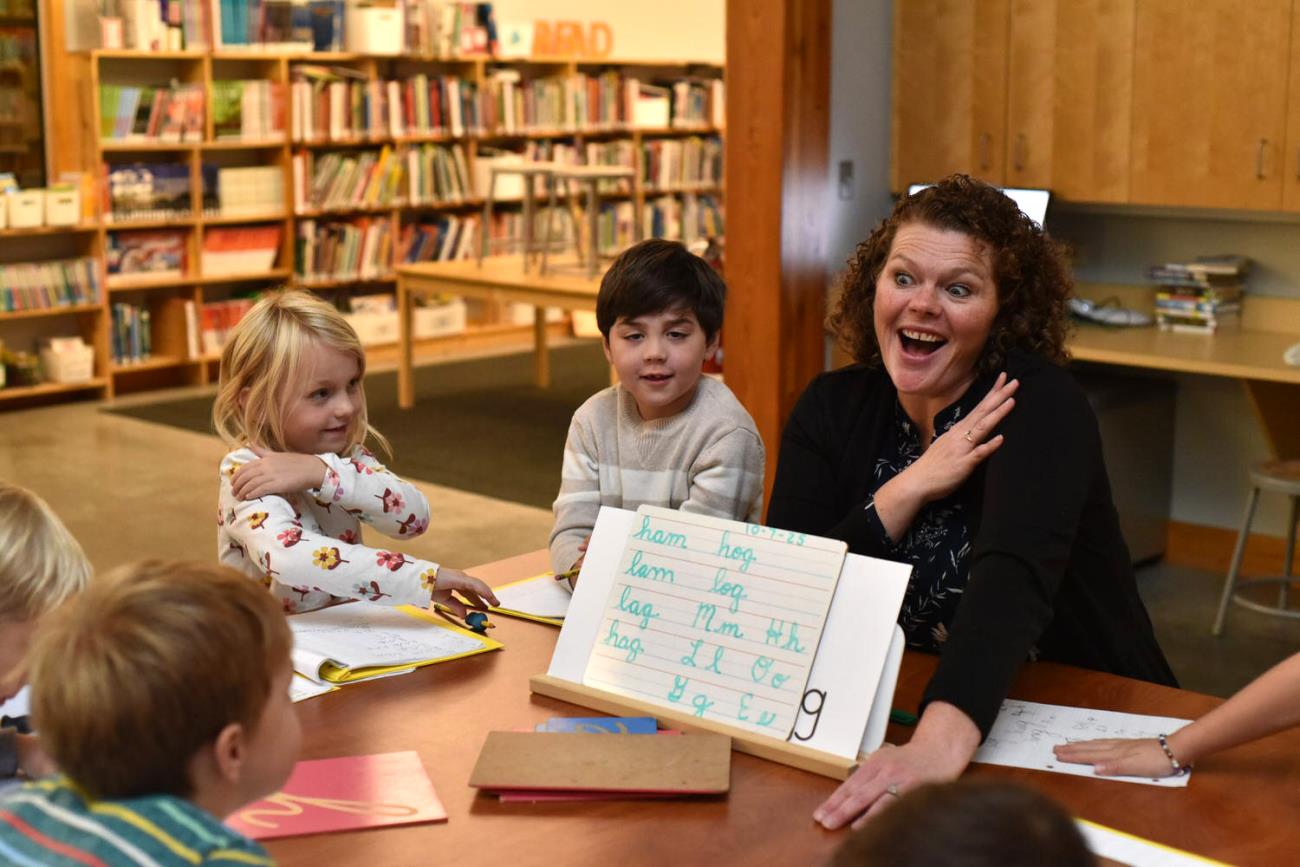
As we moved into Chelsea’s Fern Classroom, memories of Primary years surfaced for both Mollie and Maxon—some from Tennessee and others from our arrival at The Children’s House in Traverse City seven years ago: Mollie working with the movable alphabet and the Pink Tower; Maxon deeply engaged with the Binomial Cube and puzzle maps. Countless moments like these reminded me just how rich and personal our Montessori journey has been.
From there, my thoughts drifted to my 11-year love and fascination with Montessori as an educational philosophy, and how so many small experiences and decisions eventually led me to become a Montessori guide. This school played a meaningful role in helping that dream become a reality.
I have long been inspired by Montessori’s emphasis on freedom and independence, a love of learning, critical thinking, and truly following the child. Respecting this process—and thoughtfully preparing an environment that supports it—requires an extraordinary level of care, intention, and passion. That passion can feel rare these days, yet I see it in abundance in my colleagues every day.
The work that happens daily in your child’s classroom compounds over time. While children don’t often remember their earliest years, walking through those environments reminded me exactly where they began. I was struck by how fundamental each stage was, how the foundation laid at every level built upon the last, and how it all contributes to the remarkable humans standing before us today.
Maria Montessori said, “To assist a child, we must provide him with an environment which will enable him to develop freely.” While this development can appear almost magical, the true magic lies in the intentional effort, thought, and time invested by the guide, along with the careful, consistent work of the classroom team.
It is this dedication that leads parents—years later, as their children graduate from Compass Montessori Junior High—to pause and reflect: Wow. I remember their journey and all that went into supporting them as they constructed themselves into the incredible human beings they are today. This year, I find myself in that very place as my first child, Mollie, prepares to graduate from Compass. Perhaps another reason I am reflecting on this journey.
All these feelings are meaningful and deeply valuable, but at the heart of why we do this work is our shared desire to witness the growth and development of each child. You don’t have to look far to see that growth—it is present every day in small moments and big leaps alike. I invite you to pause and reflect on your own journey, to step back, and to truly admire where your children are today and how far they have come.
I am continually amazed by these children and grateful to hold a kind of mental time machine—one that allows me to see not just who they are now, but all that has gone into shaping them.
There is beauty, goodness, and harmony in the children.
There is beauty, goodness, and harmony in the environment.
And there is beauty, goodness, and harmony in the journey.
Here’s to 2026. 🌱